Quick answer
Wipe the rubber door seal, clean the detergent drawer and filter, then run the hottest empty cycle with a washing-machine cleaner or white vinegar. Leave the door and drawer ajar between washes.
Remove musty odours from your washing machine by cleaning the door seal, filter, and detergent drawer, then running a hot maintenance wash and adopting simple habits to stop smells returning.
What you’ll need
- Tool: Old toothbrush or small brush
- Tool: Microfibre cloths
- Tool: Shallow tray or baking dish
- Tool: Torch or phone light
Materials
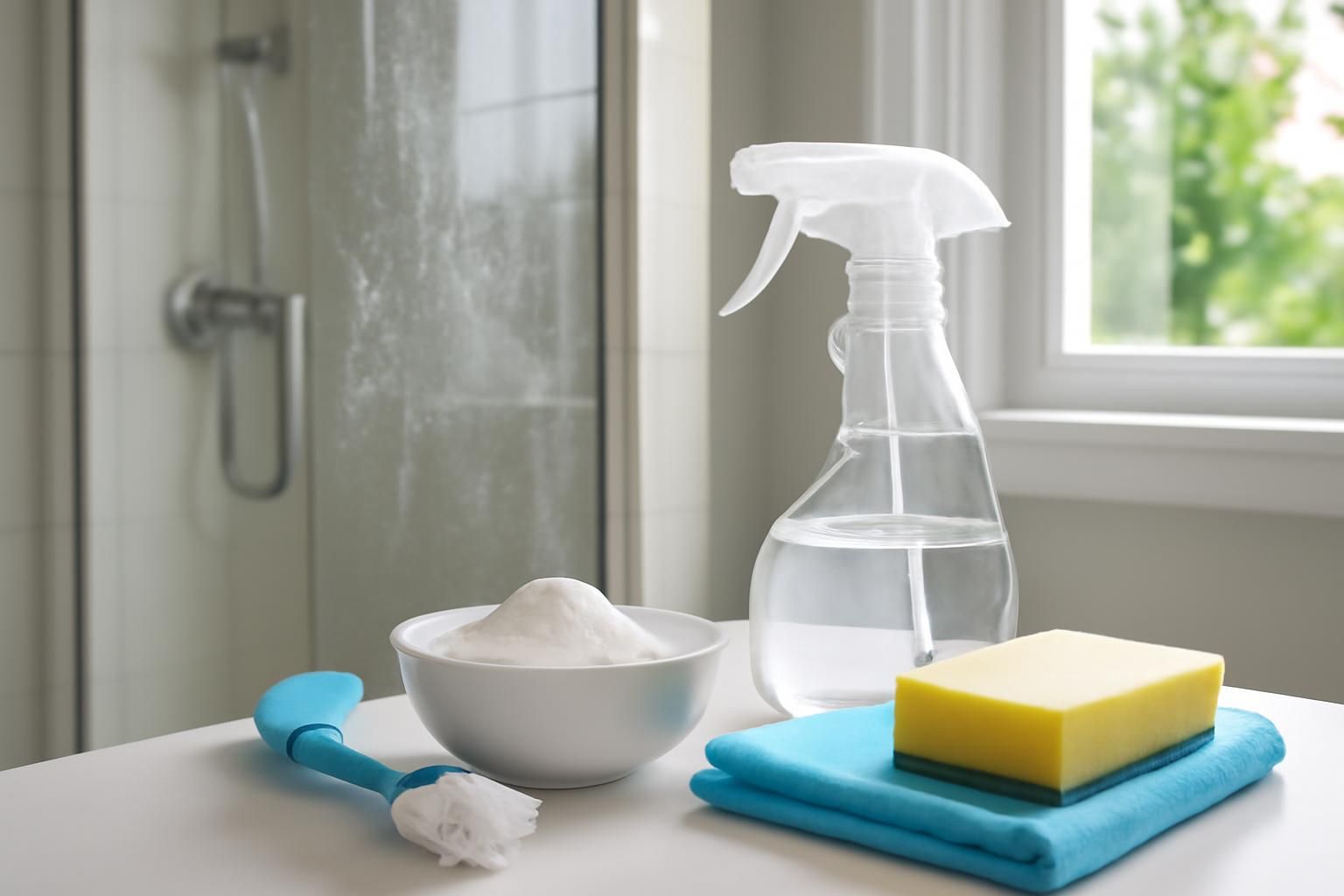
- Material: Washing-machine cleaner or white vinegar
- Material: Soda crystals (optional)
- Material: Warm soapy water
- Material: Kitchen towel
Step by step
- 1
Wipe out the door seal fold
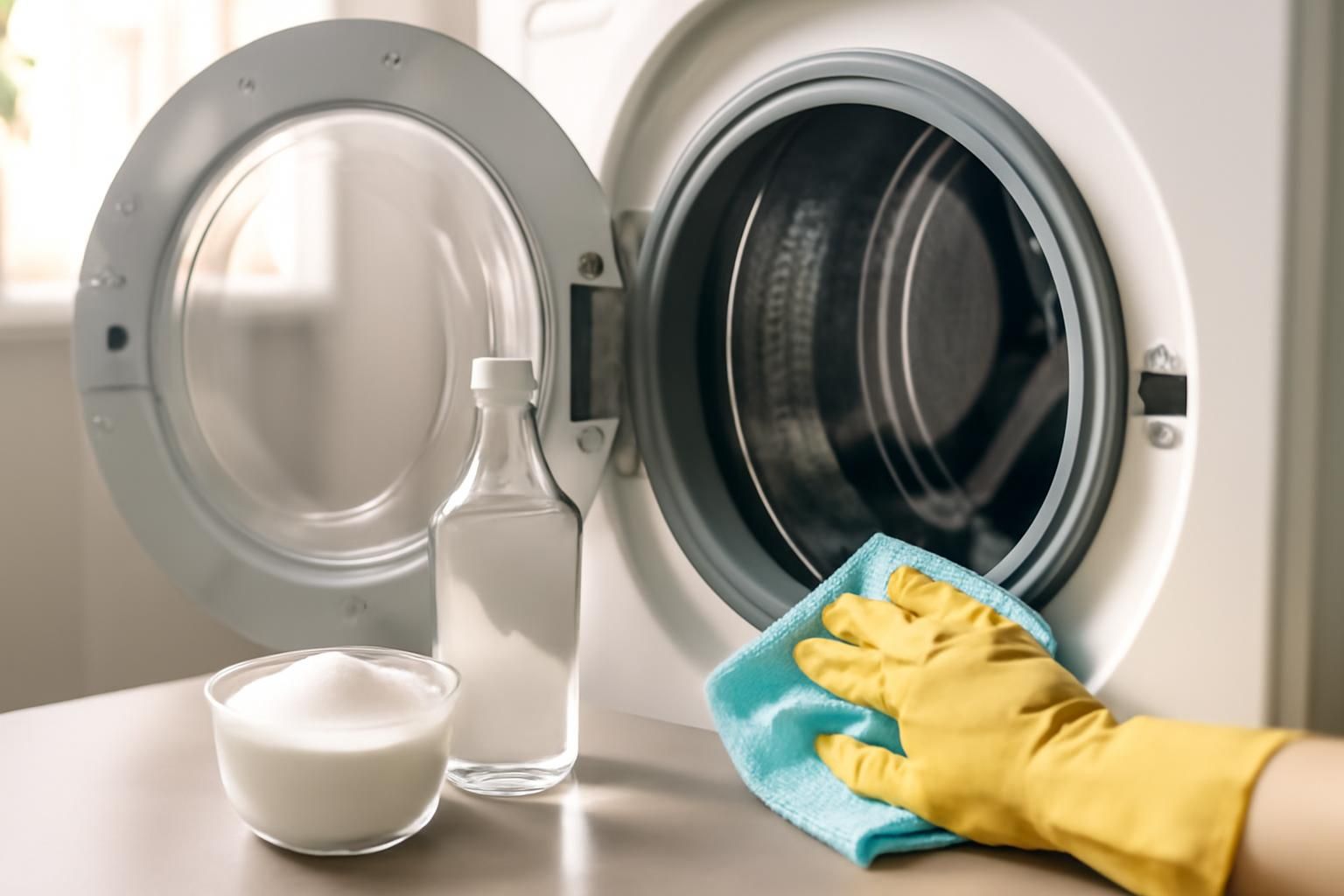
Pull back the rubber gasket around the door to expose the inner fold. Wipe it thoroughly with a damp cloth dipped in warm soapy water. Remove any hair, lint, or slime. Dry the fold with a clean cloth. This is where detergent residue and stagnant water create biofilm.
- 2
Remove and clean the detergent drawer
Press the release tab and pull the drawer fully out. Wash it in warm soapy water, scrubbing the compartments with an old toothbrush. Wipe the cavity inside the machine where the drawer sits, as mould and softener residue collect there. Dry everything before reinserting.
- 3
Empty and rinse the pump filter
Switch the machine off at the socket. Place a shallow tray and towels beneath the filter flap, usually at the bottom front. Open the flap, unscrew the filter slowly, and let trapped water drain into the tray. Remove debris, rinse the filter under a tap, then screw it back firmly.
- 4
Run a hot maintenance wash
Run the machine empty on its hottest cycle, ideally 90°C. Add a proprietary washing-machine cleaner, or pour 250 ml of white vinegar into the drum. Soda crystals can also help shift greasy residue. This heat breaks down the biofilm that cold washes leave behind.
- 5
Dry and ventilate the drum
Once the cycle finishes, leave the door wide open for at least an hour so the drum and seal air-dry. Wipe any remaining moisture from the seal with a kitchen towel. Trapped dampness is the main reason smells return quickly.
- 6
Adjust your washing habits
Use the correct dose of detergent and avoid overfilling fabric softener, as excess product feeds residue. Run at least one hot wash per week if you normally wash cool. This prevents the slow build-up of organic slime that causes odours.
- 7
Set a monthly maintenance routine
Mark a calendar reminder to repeat the hot empty wash once a month. Wipe the seal and leave the door ajar after every load. Regular attention takes minutes and keeps the machine fresh without deep cleans.
Opening the filter can release trapped water — have a shallow tray and towels ready, and switch the machine off at the socket first. Never mix a bleach-based cleaner with vinegar or any acid, because this creates chlorine gas. If the smell is sewage or drains rather than mildew, the standpipe or drainage may be at fault — call a plumber.
Common mistakes
- Always washing at 30°C or below, which never gets hot enough to kill the biofilm.
- Closing the door and drawer immediately after a wash, trapping moisture inside.
- Using too much detergent or fabric softener, which leaves a residue that feeds bacteria.
Frequently asked
Why does my washing machine smell of eggs or drains?
A sulphur or eggy odour usually means bacteria are breaking down residue trapped in the seal, filter, or standpipe. A drain smell suggests the waste hose is not seated correctly or the trap is dry. Clean the seal and filter first; if the smell persists, check the plumbing.
Can I use vinegar and bicarbonate of soda instead of a machine cleaner?
White vinegar helps dissolve grease and soap scum, and soda crystals soften water and shift residue. They do not sterilise the machine, but they are a sensible low-cost alternative to commercial cleaners when used with a hot cycle.
How often should I run a maintenance wash?
Run a hot empty wash once a month. If your household washes mainly at low temperatures or uses the machine daily, every two to three weeks is better.
Where is the filter and is it safe to open it?
The filter is behind a small flap at the bottom front of most front-loading machines. It is safe to open if you switch the machine off first, place a tray beneath it, and unscrew slowly to control the flow of trapped water.
Why do my clothes still smell after washing?
If the machine itself harbours biofilm, it transfers odour back onto fabrics during the rinse. Clean the seal, drawer, and filter, then run a hot maintenance wash. Also check that you are not overloading the drum, which stops clothes rinsing properly.