Practical garden guides for everyday household jobs. · 36 guides
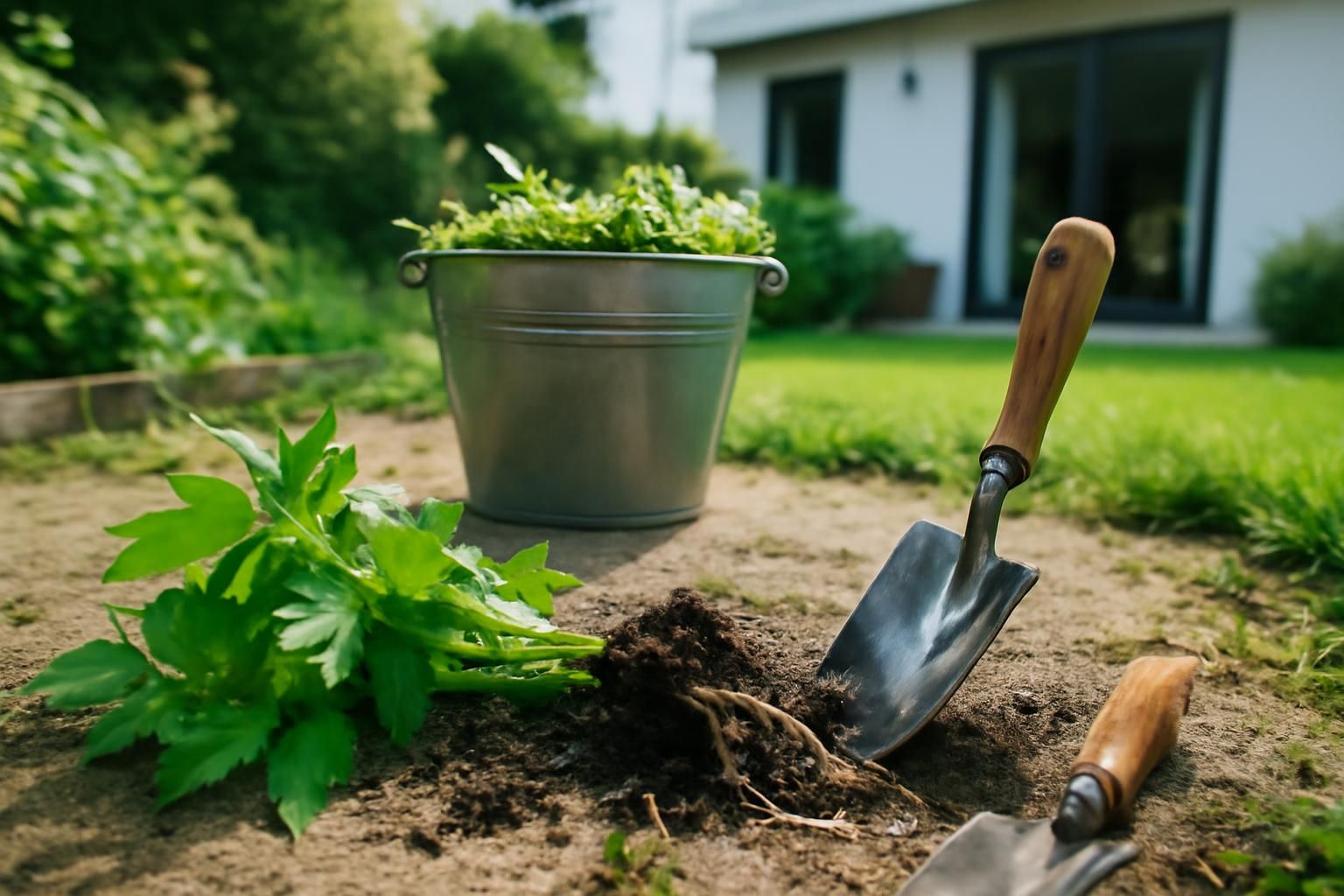
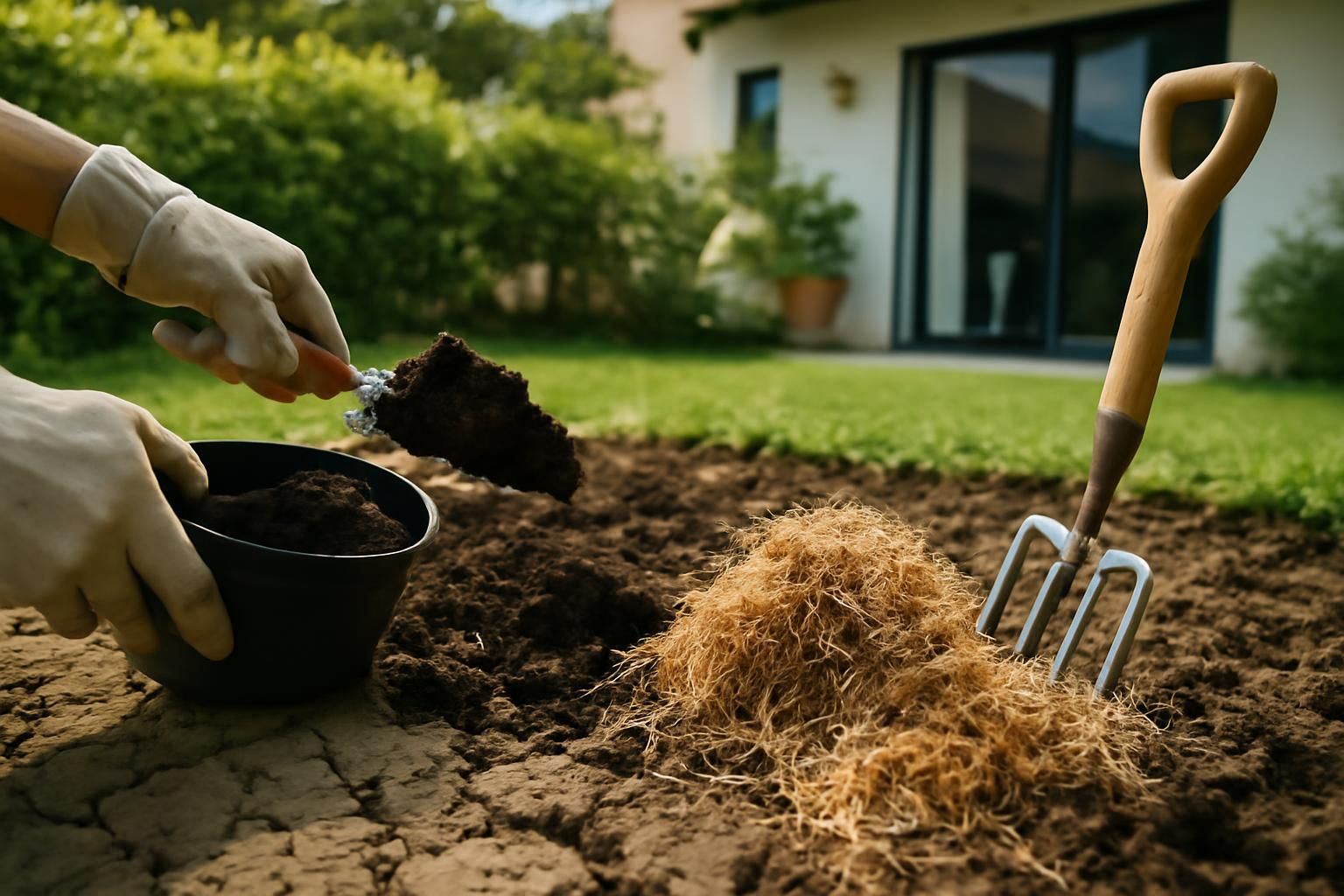
A practical guide to removing ground elder permanently by digging out rhizomes and mulching.
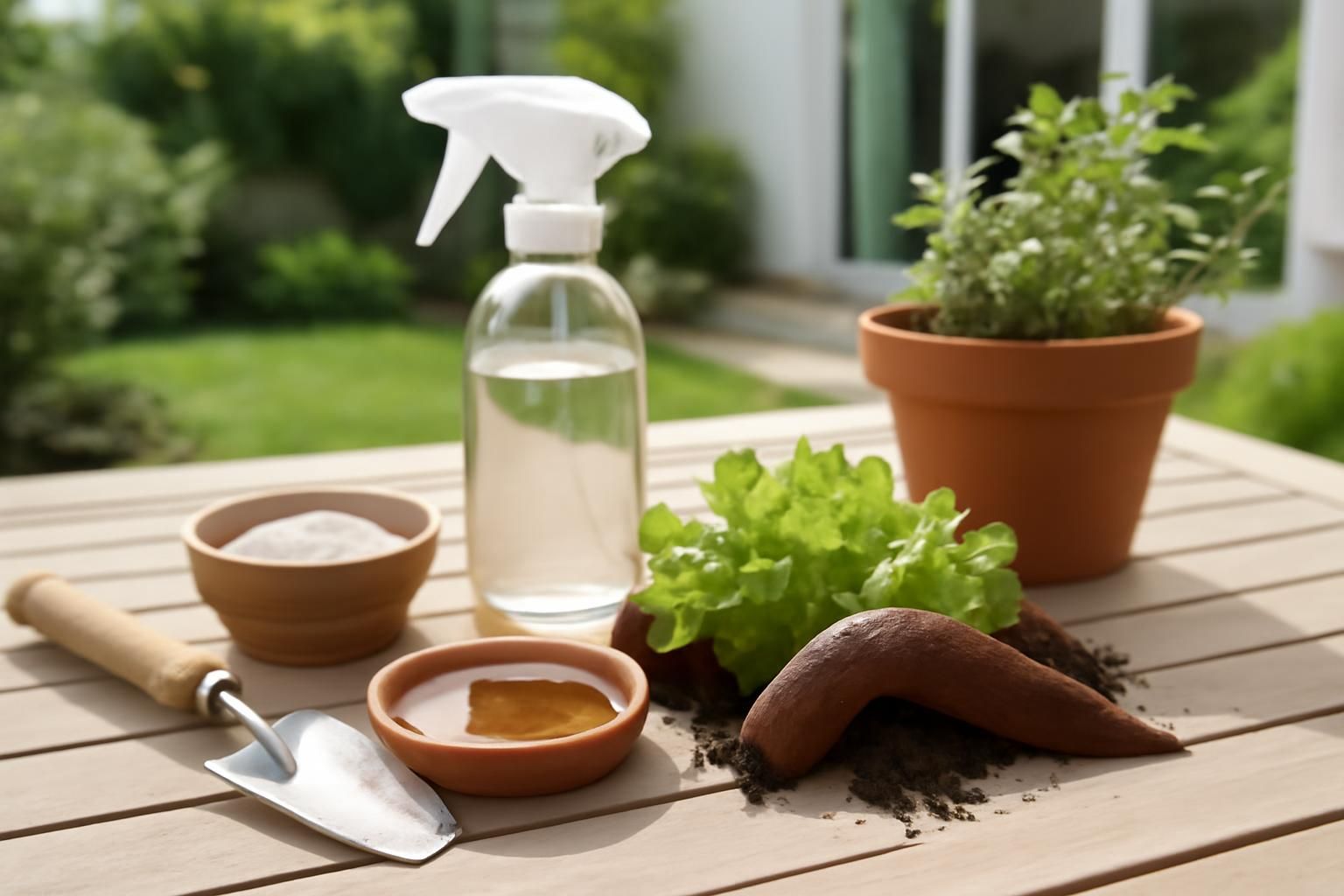
A practical guide to controlling garden slugs without synthetic pesticides, using barriers, traps, hand-picking, habitat changes, and natural predators.
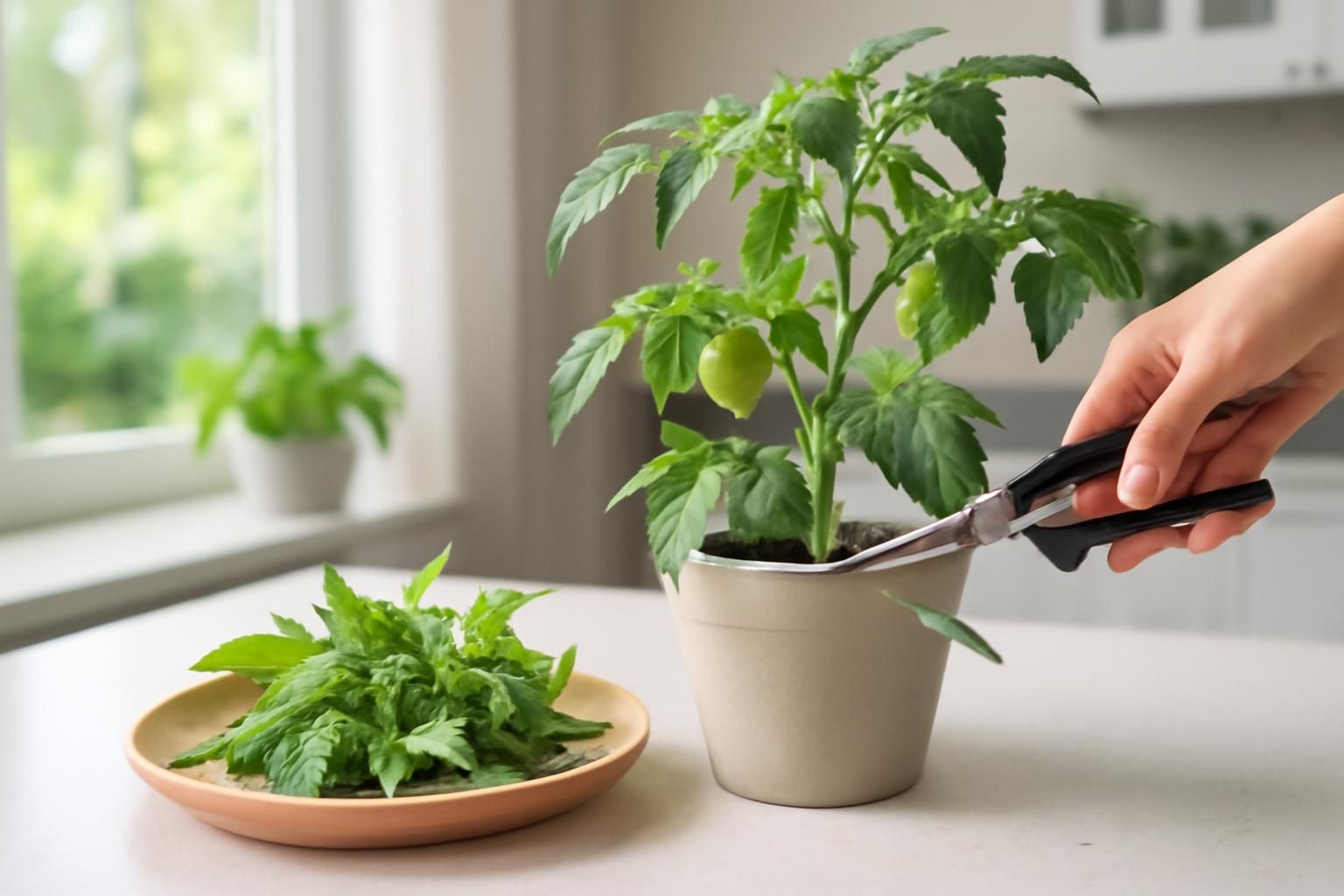
Pruning tomatoes is about steering the plant's energy, not tidying it. The first thing to get right is variety: indeterminate (vining) types respond well to pruning, while determinate (bush) types should be left mostly alone. This guide covers spotting and pinching suckers, stripping the lowest leav
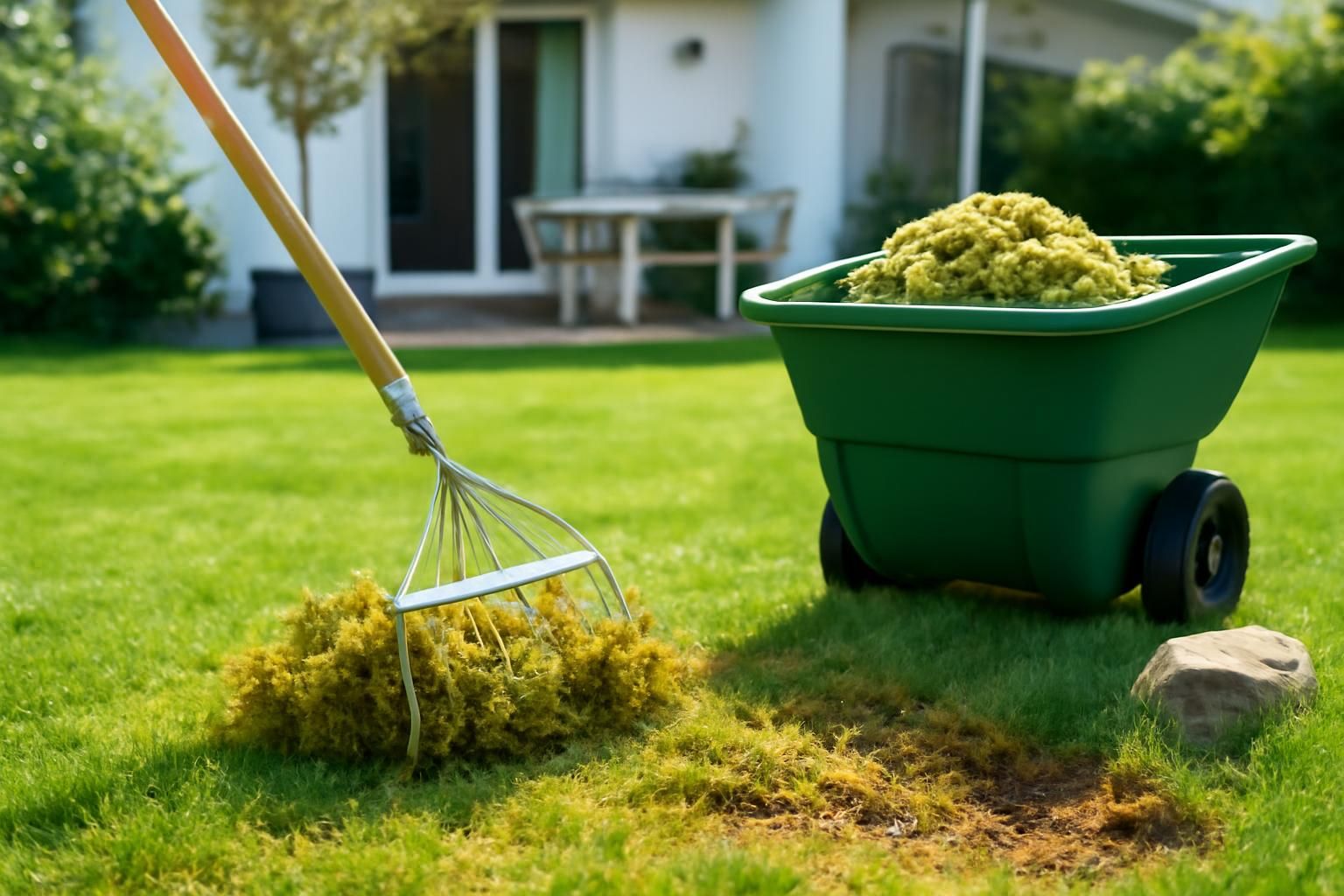
Treat moss as a symptom of weak grass, kill the existing growth, rake it out, then fix shade, compaction, and drainage so the lawn recovers thick and green.
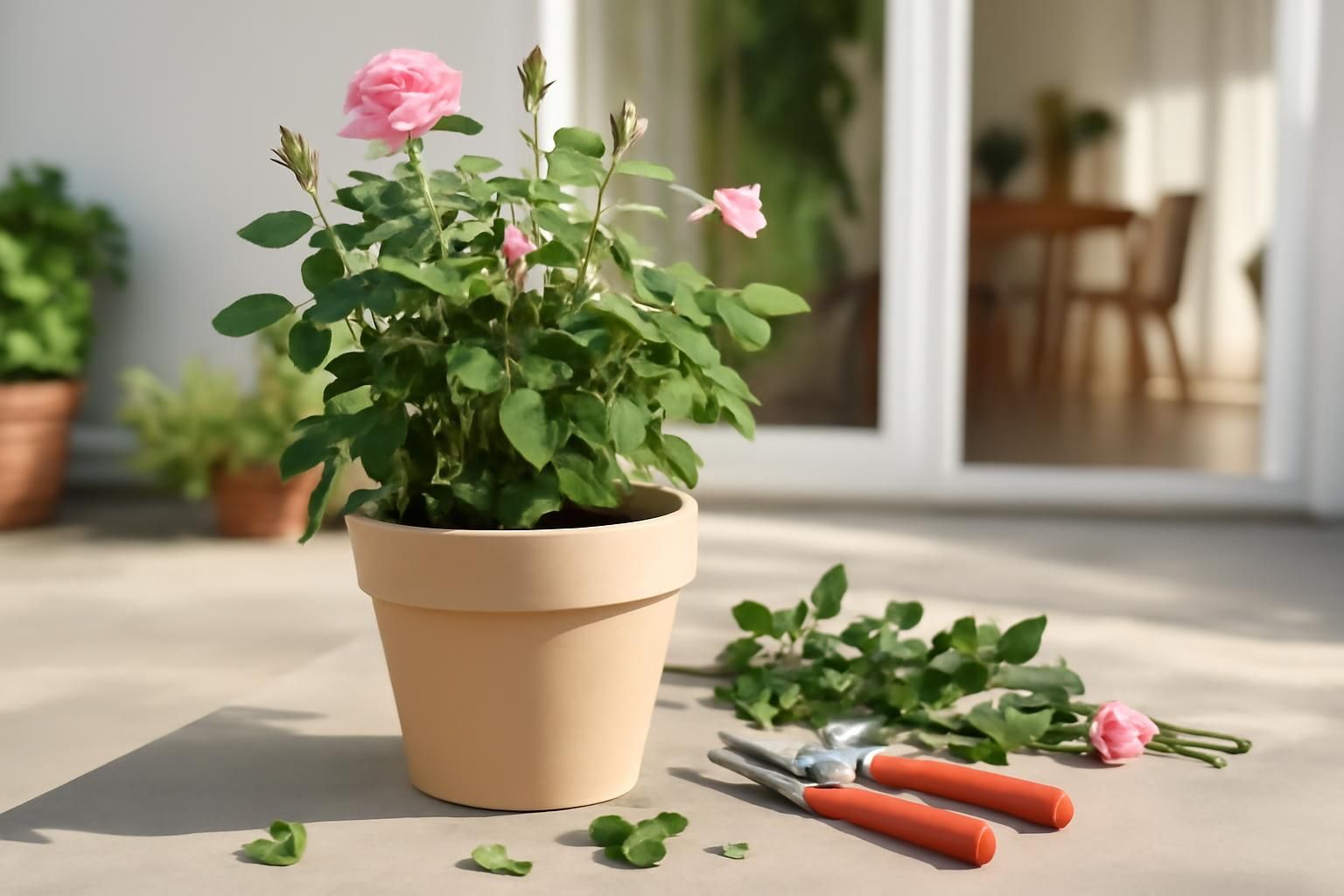
Prune your rose bush in late winter for healthy growth and more blooms.
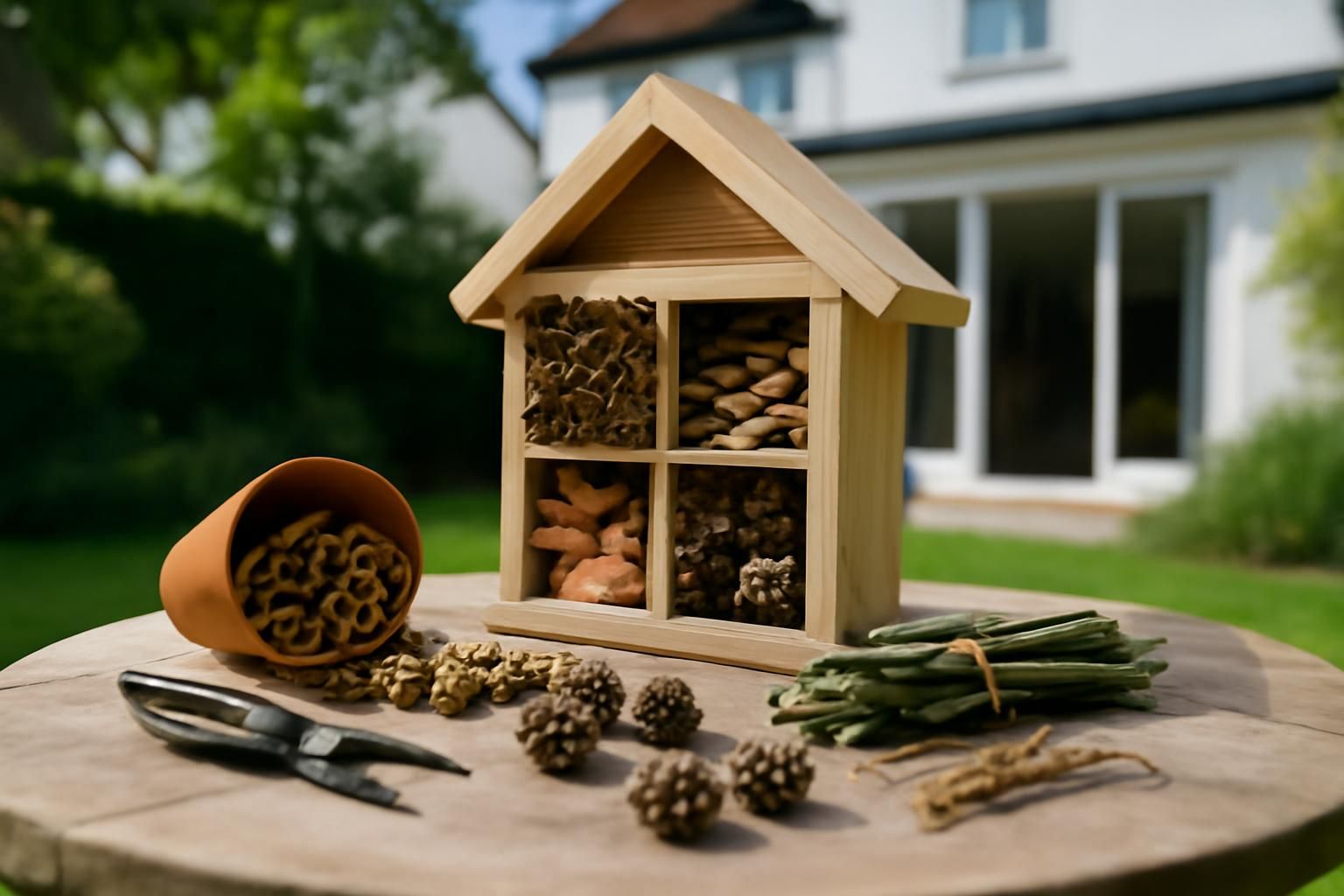
A bug hotel made from pallets and natural materials provides winter shelter for solitary bees and beneficial insects. Build one in an afternoon.
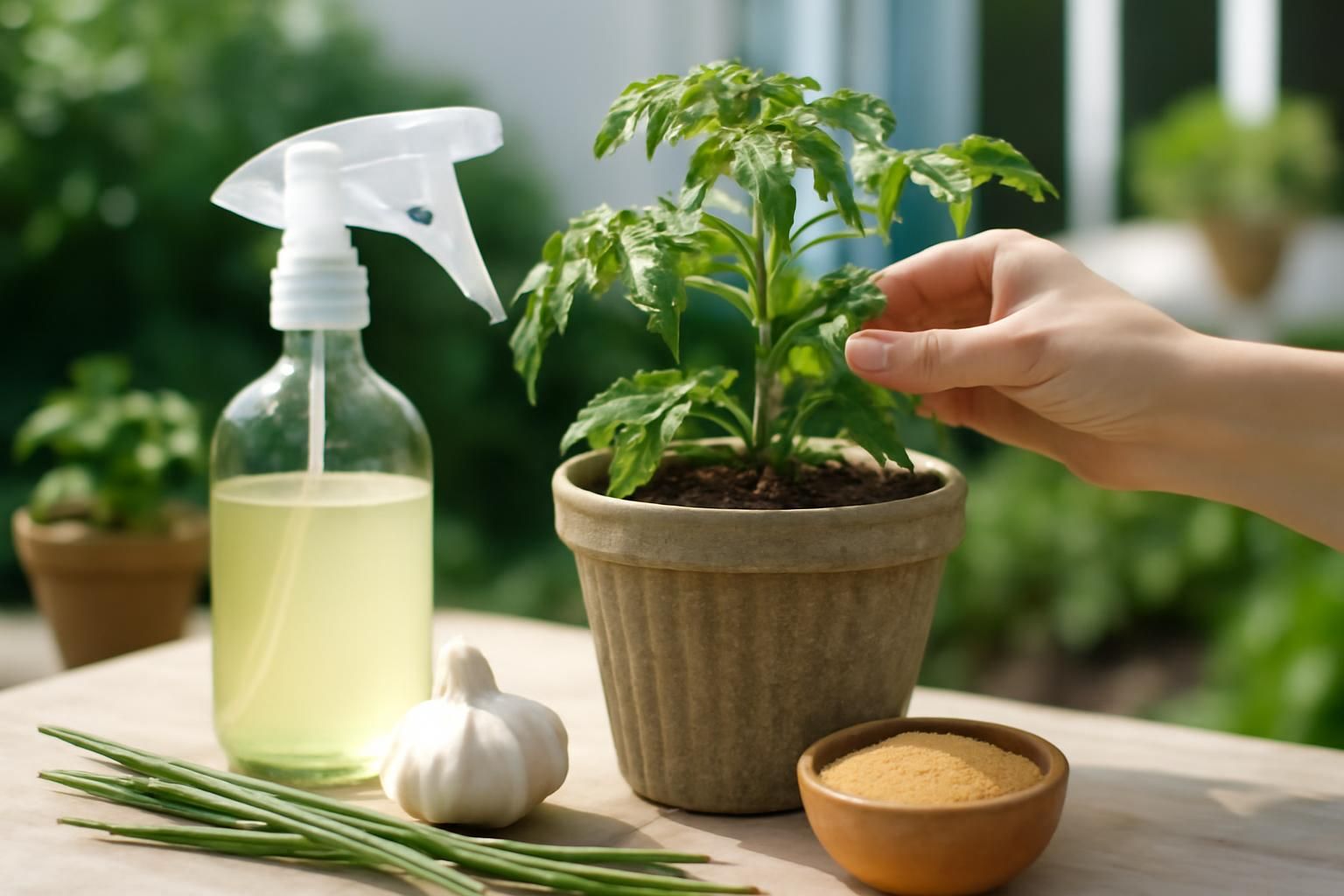
Knock aphids off your plants and keep them away without resorting to chemical sprays.
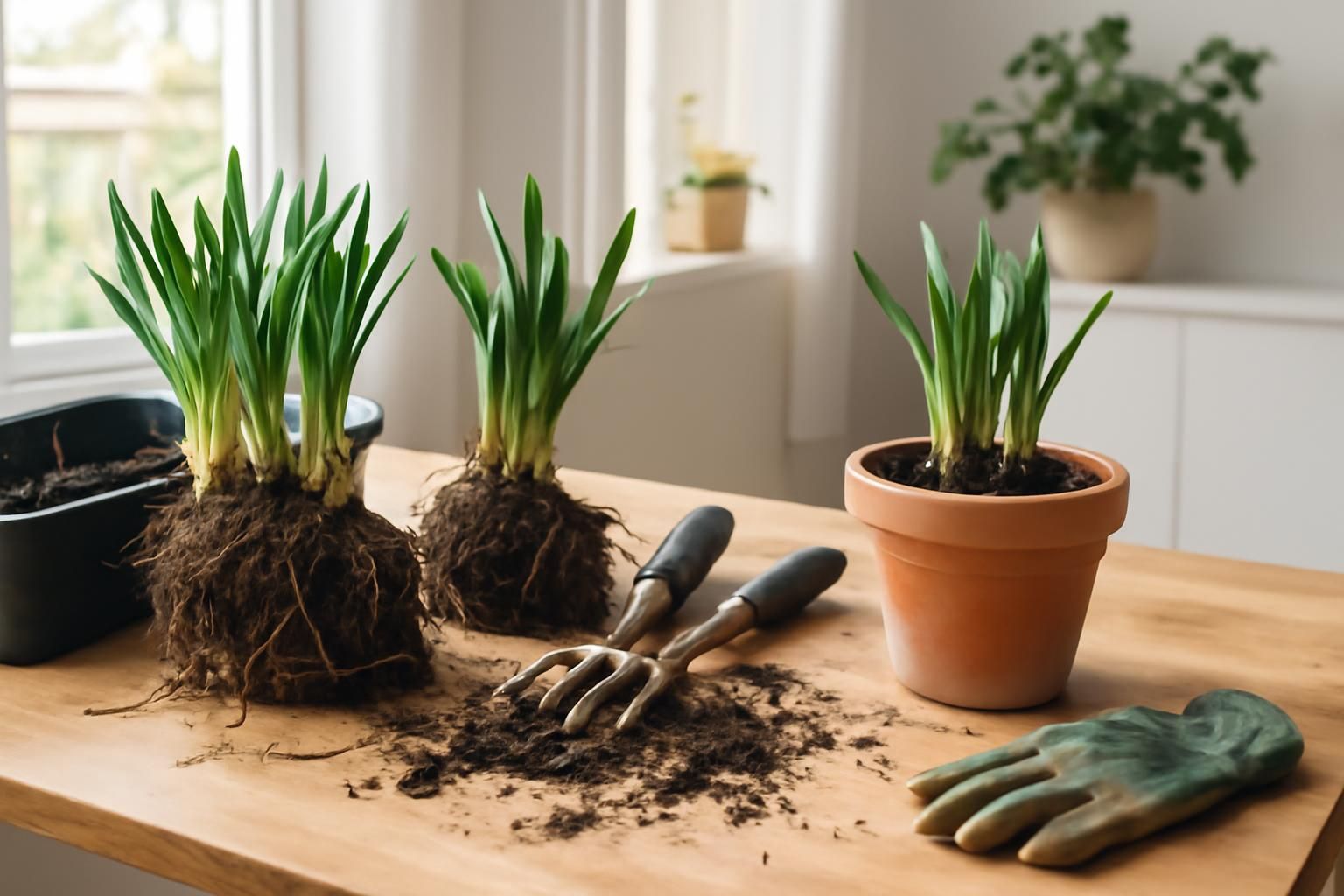
Split overgrown perennial plants into smaller clumps to boost health, improve flowering, and get extra plants for free. Best done in spring or autumn.
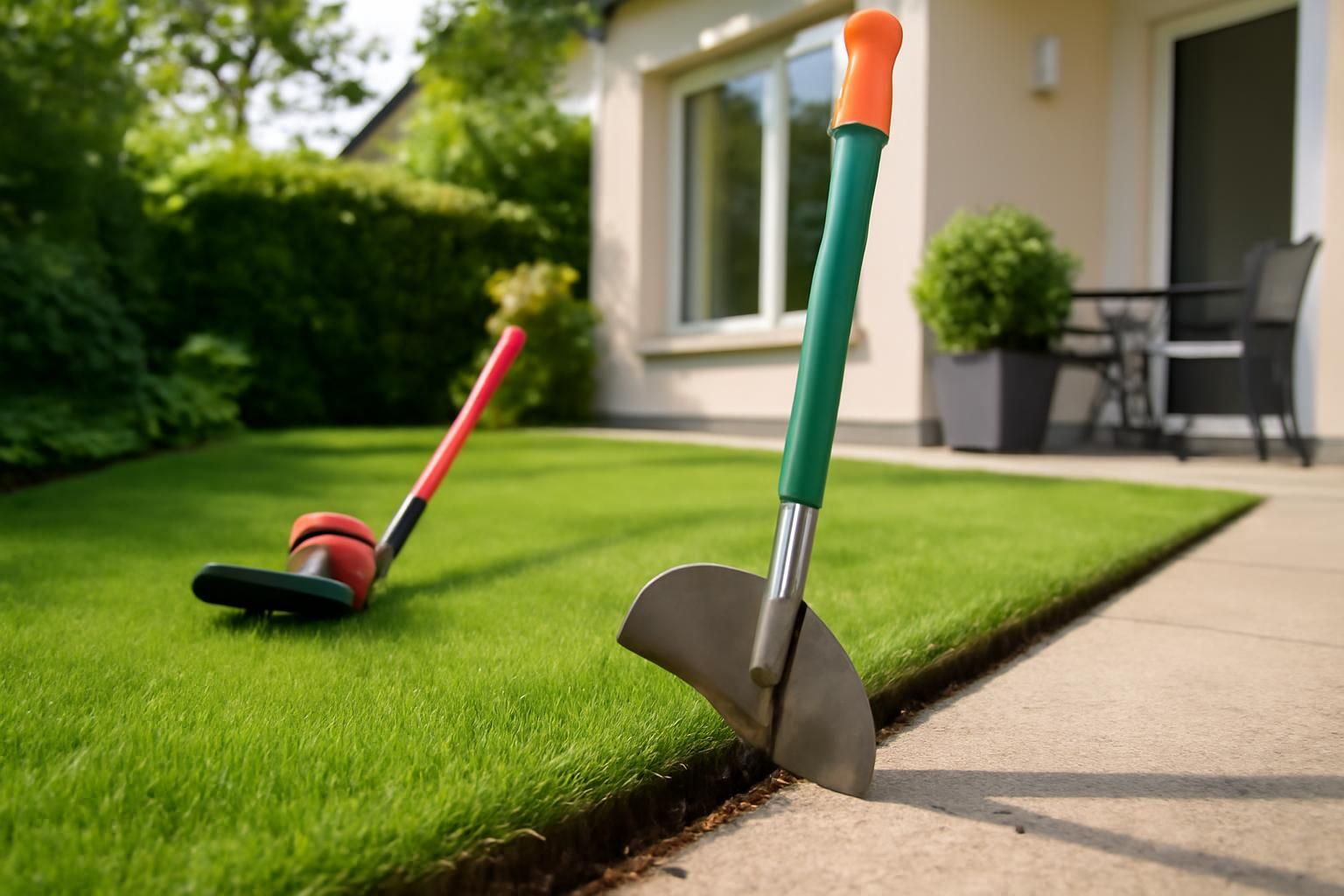
Cut a clean edge between your lawn and borders or paths to give the garden a crisp, maintained look all year.
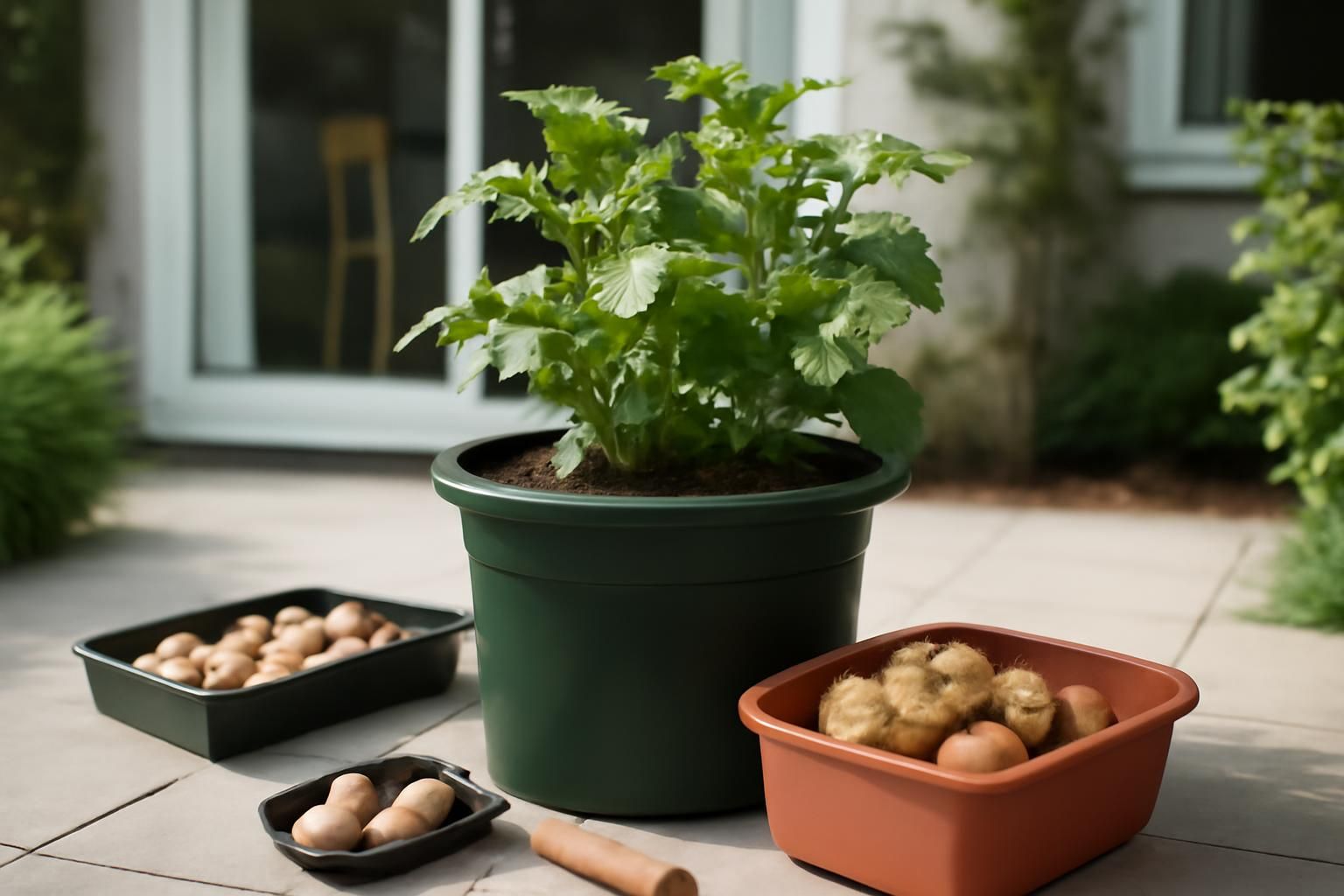
Grow potatoes in a large pot or sack by half-filling it with compost, planting seed potatoes and adding more compost as shoots grow. Harvest when flowers fade.
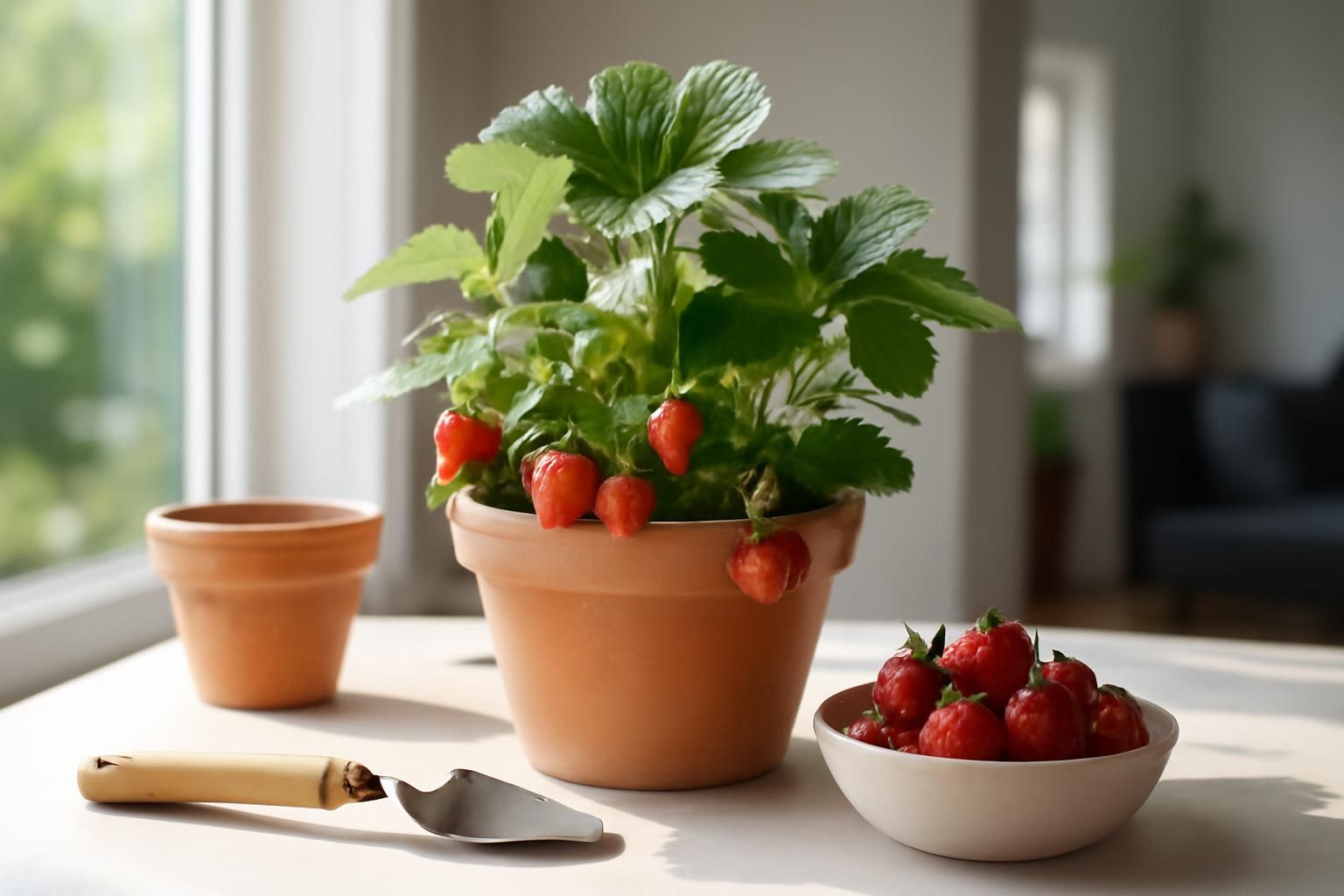
Plant strawberries in containers to enjoy fresh fruit even if you only have a patio or balcony.
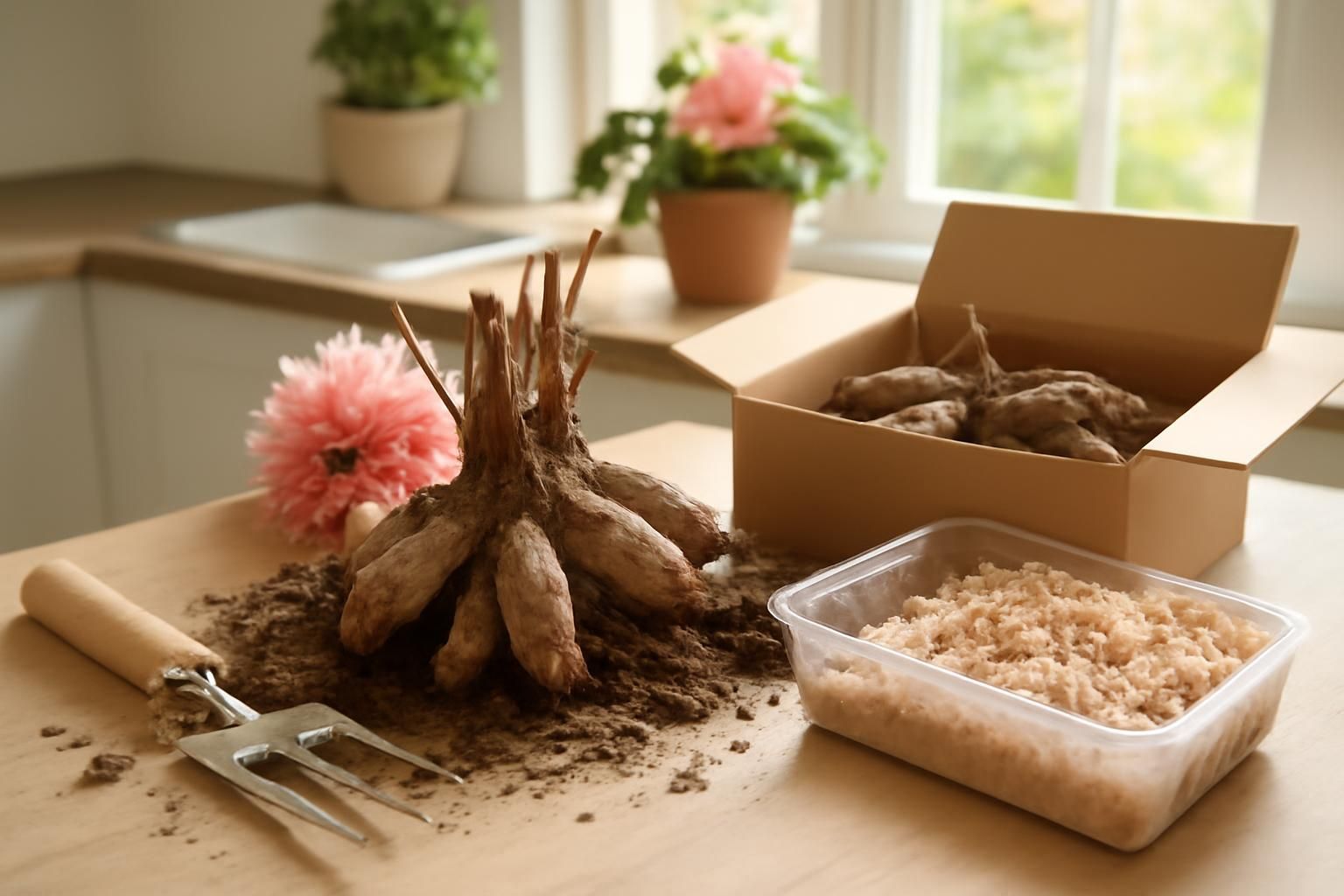
Dahlia tubers need lifting before winter frosts. Learn how to dig, dry, pack and store them in a frost-free place so they survive until spring.
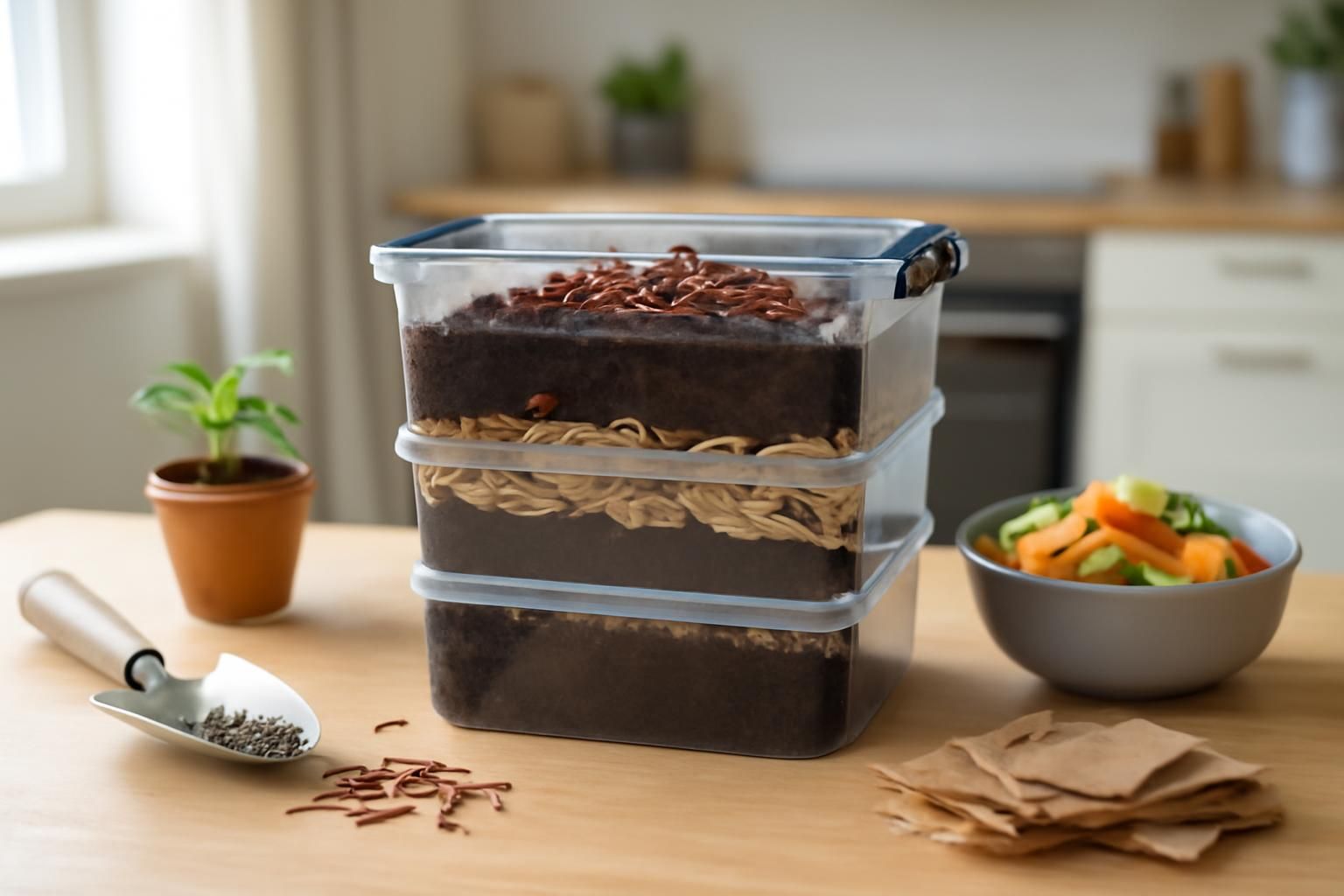
A wormery uses tiger worms to break down kitchen scraps into rich compost and liquid plant food. This guide shows you how to set one up in under an hour.
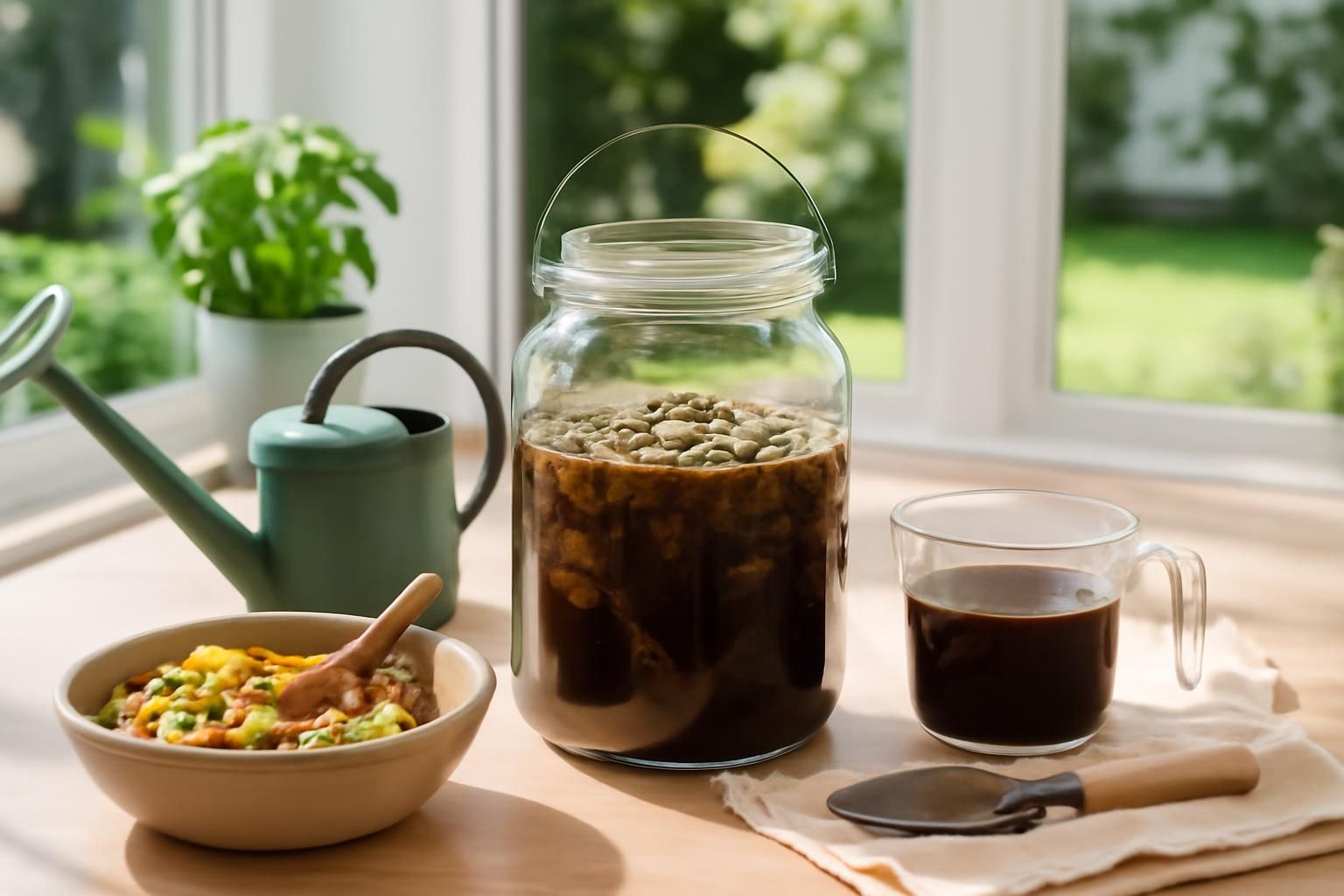
Brew a nutrient-rich liquid feed from finished compost to water your plants and boost soil life.
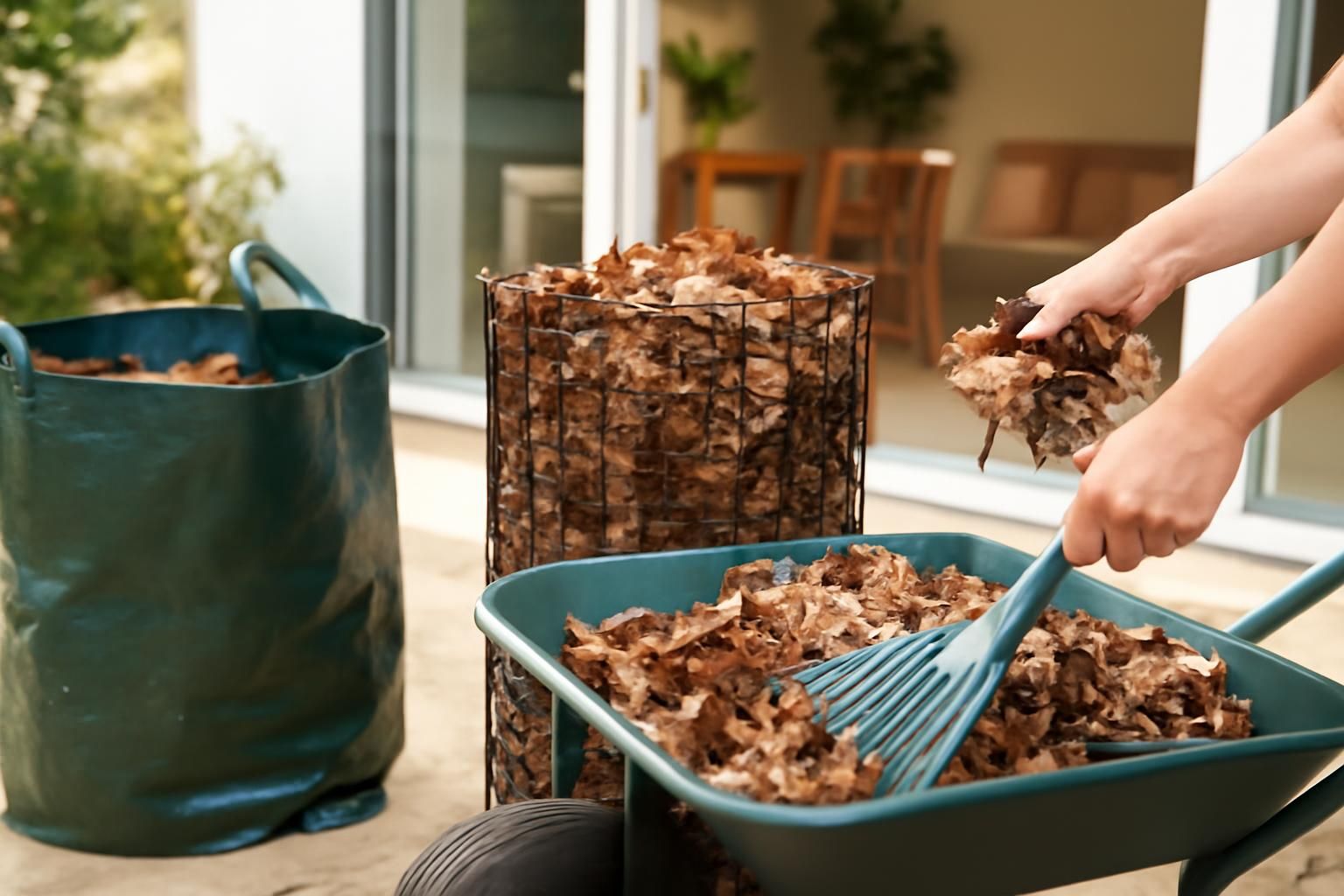
Collect fallen leaves and let them rot down into a dark, crumbly soil improver. It takes time but costs nothing.
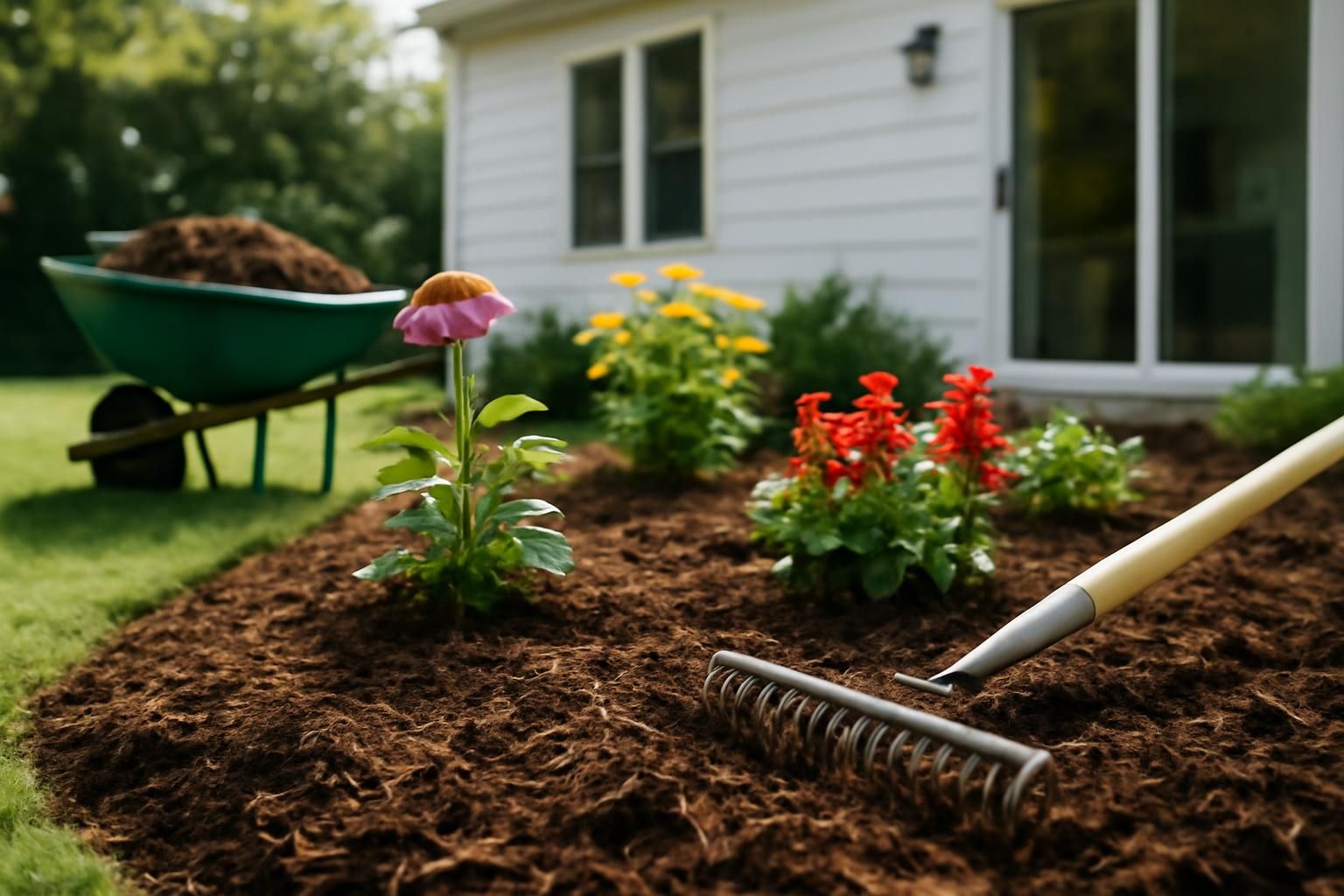
Mulching suppresses weeds, retains moisture and improves soil structure. This guide covers choosing mulch and spreading it correctly around flowers.
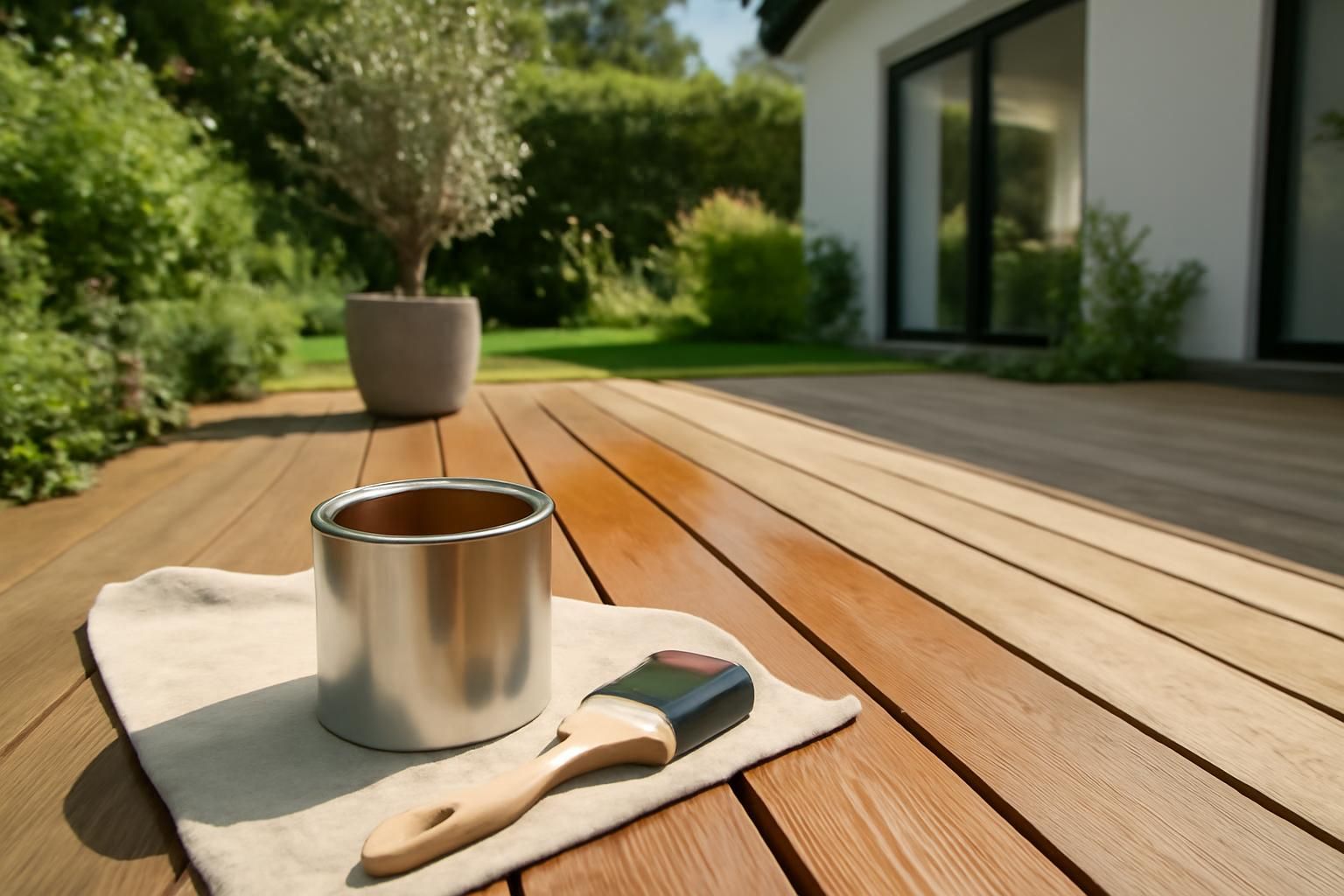
Clean and oil your deck every year to protect the timber from rain, sun, and foot traffic, and to keep the surface safe and attractive.
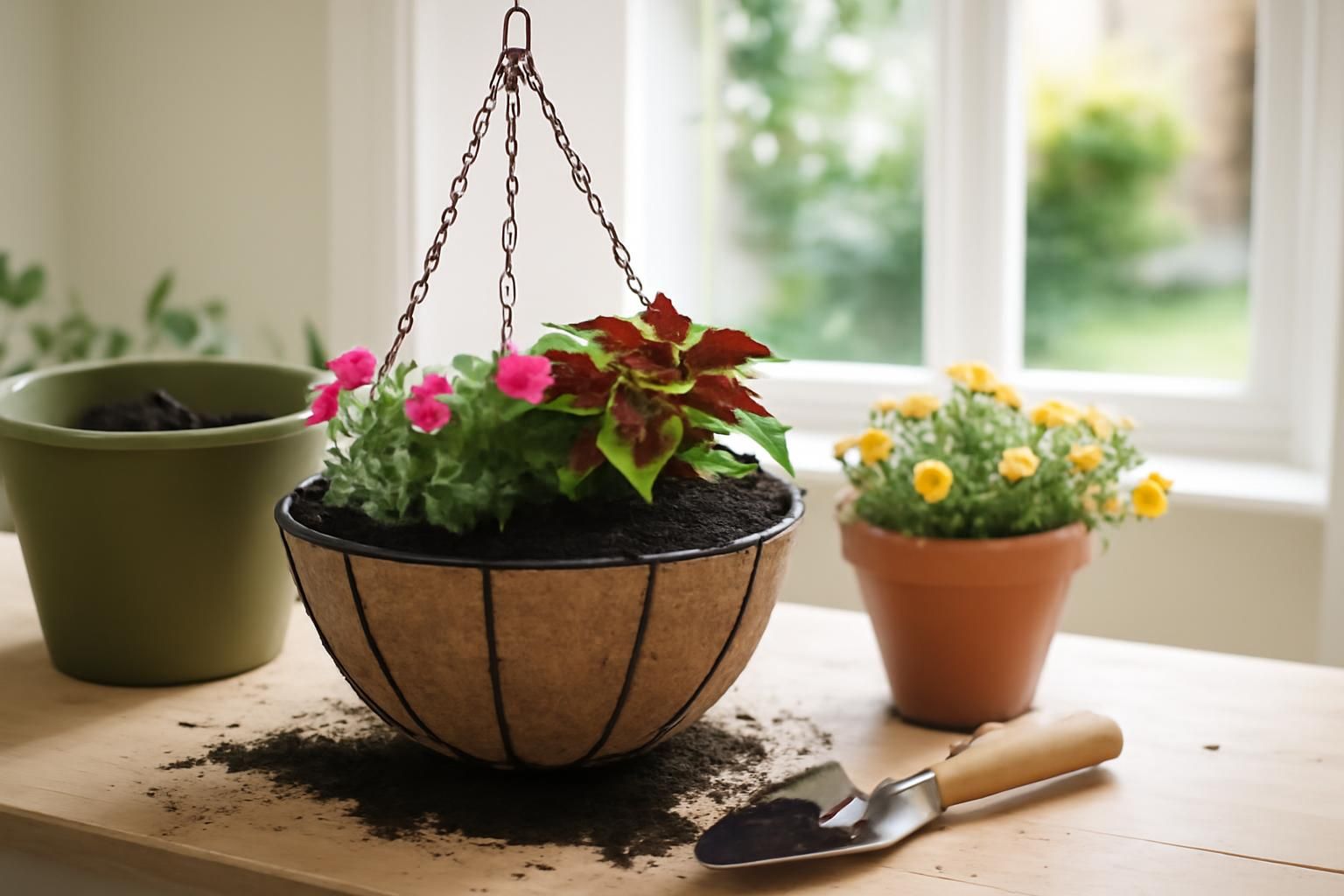
Fill a hanging basket with trailing and upright plants to create a colourful display for walls, fences or porches.
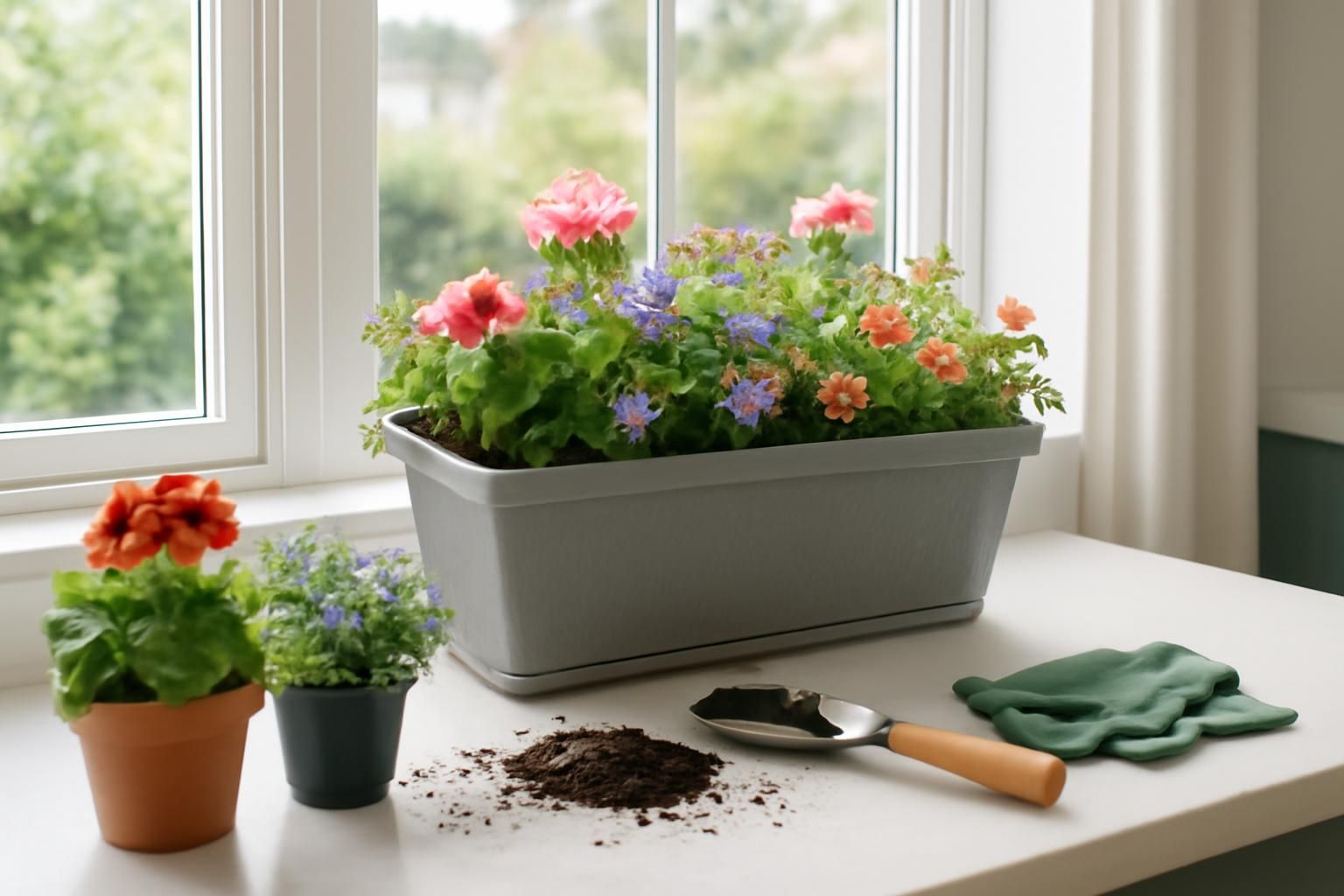
Fill a window box with compost and plants to add colour or fresh herbs right outside your window.
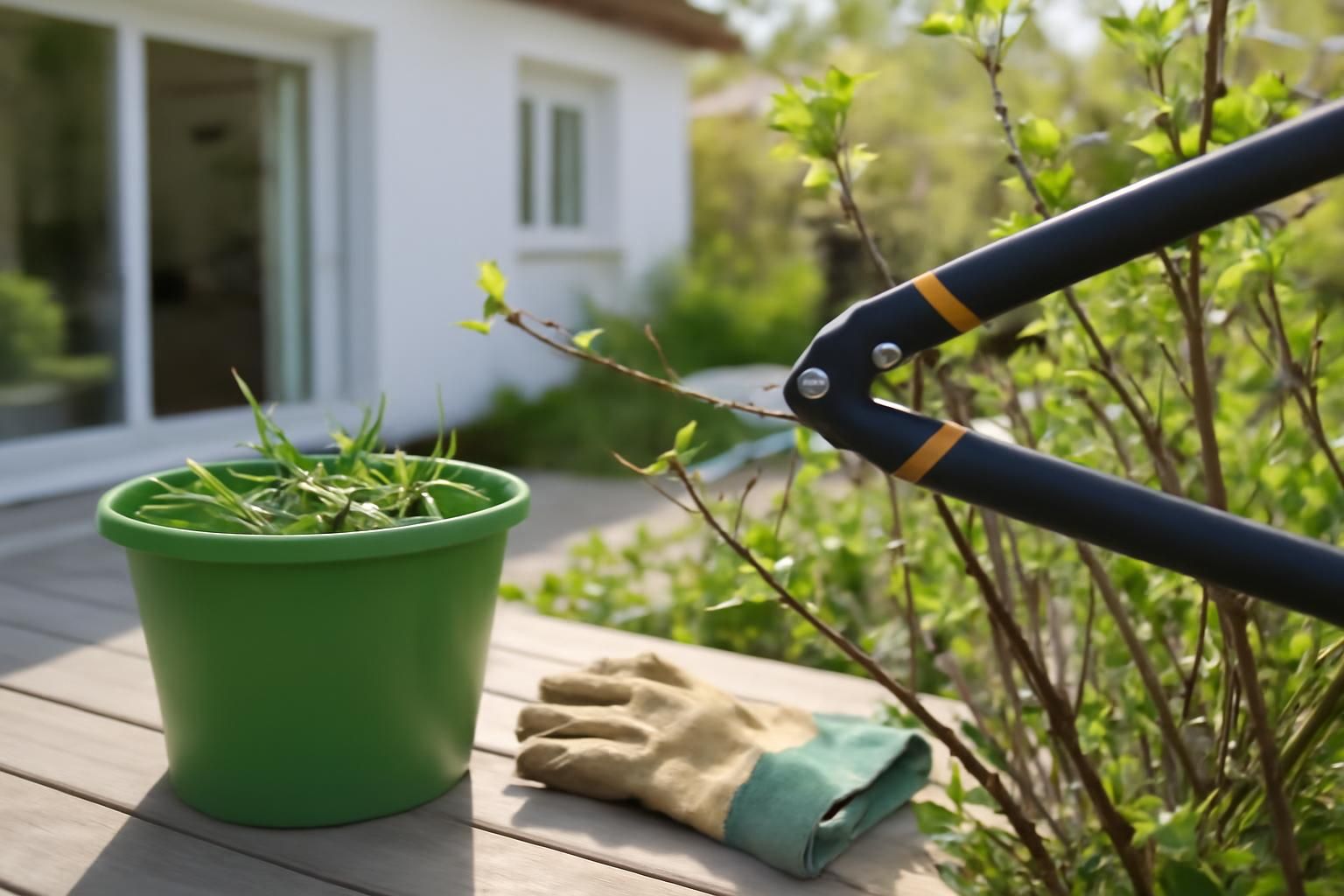
Remove old, weak, and crossing branches from fruit bushes to improve air flow, boost fruit size, and keep plants productive for years.
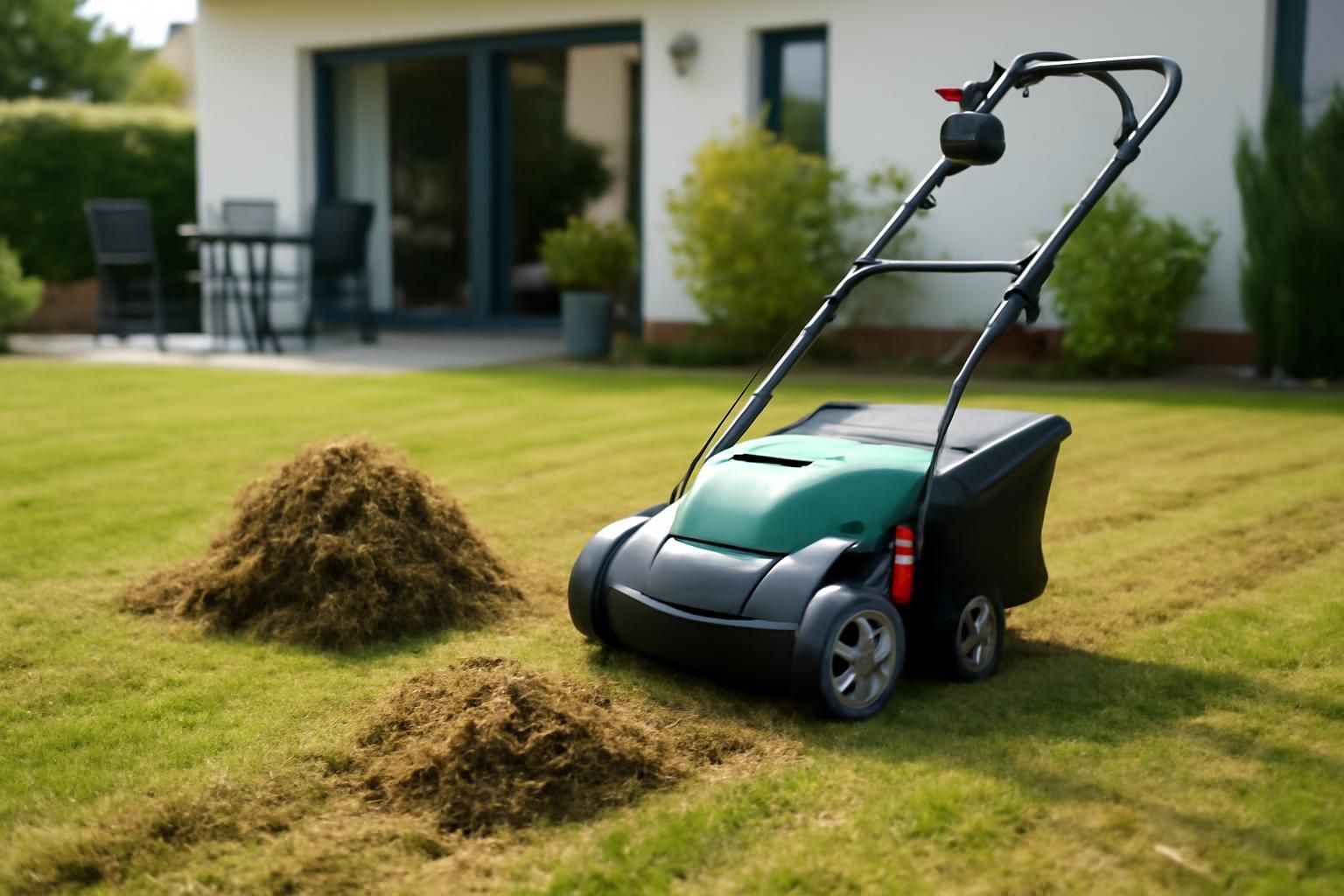
Remove moss and thatch from your lawn to let air, water and nutrients reach the grass roots.
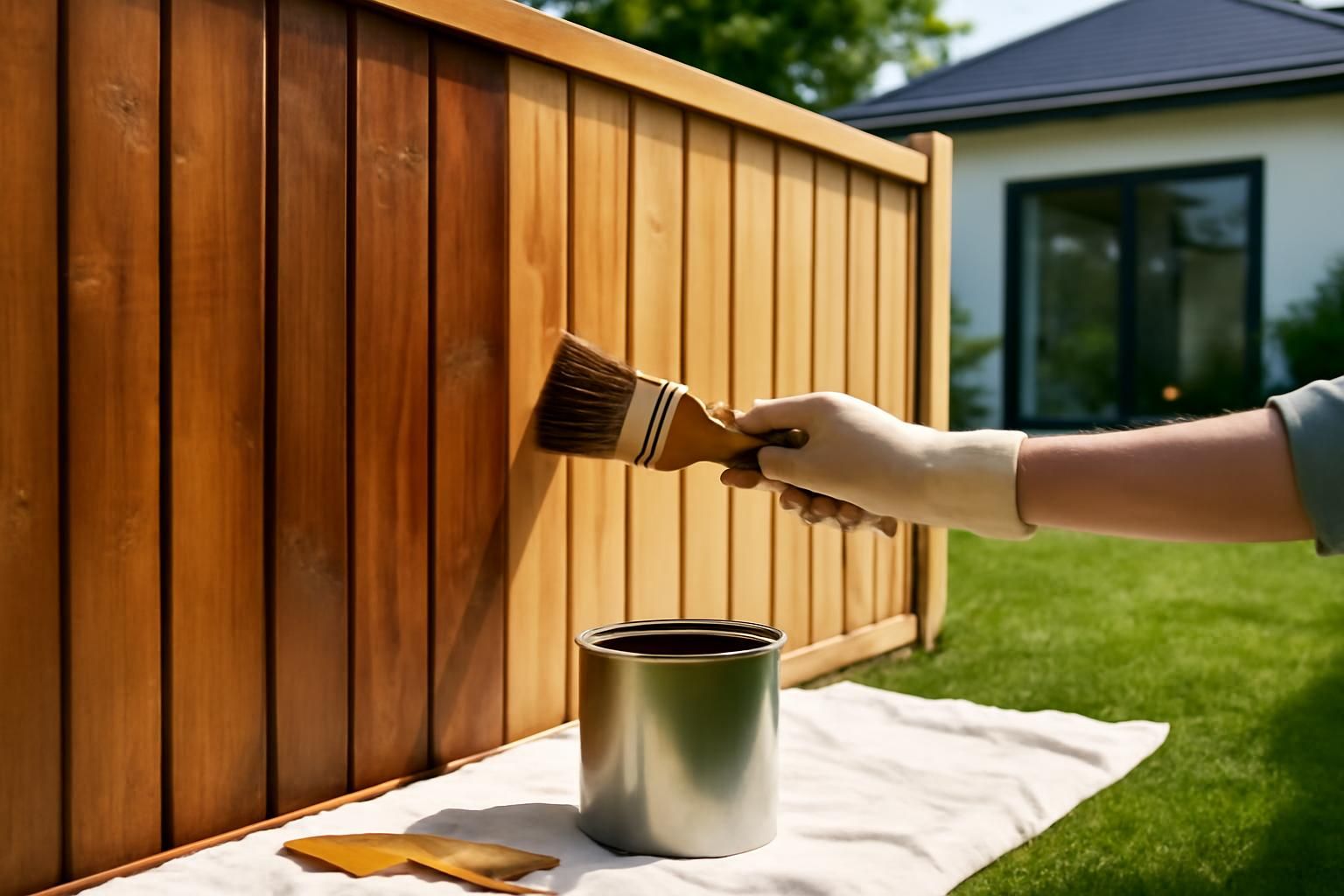
Apply wood stain to a fence to seal the timber against rot, prevent greying, and give the garden a neat, uniform finish.
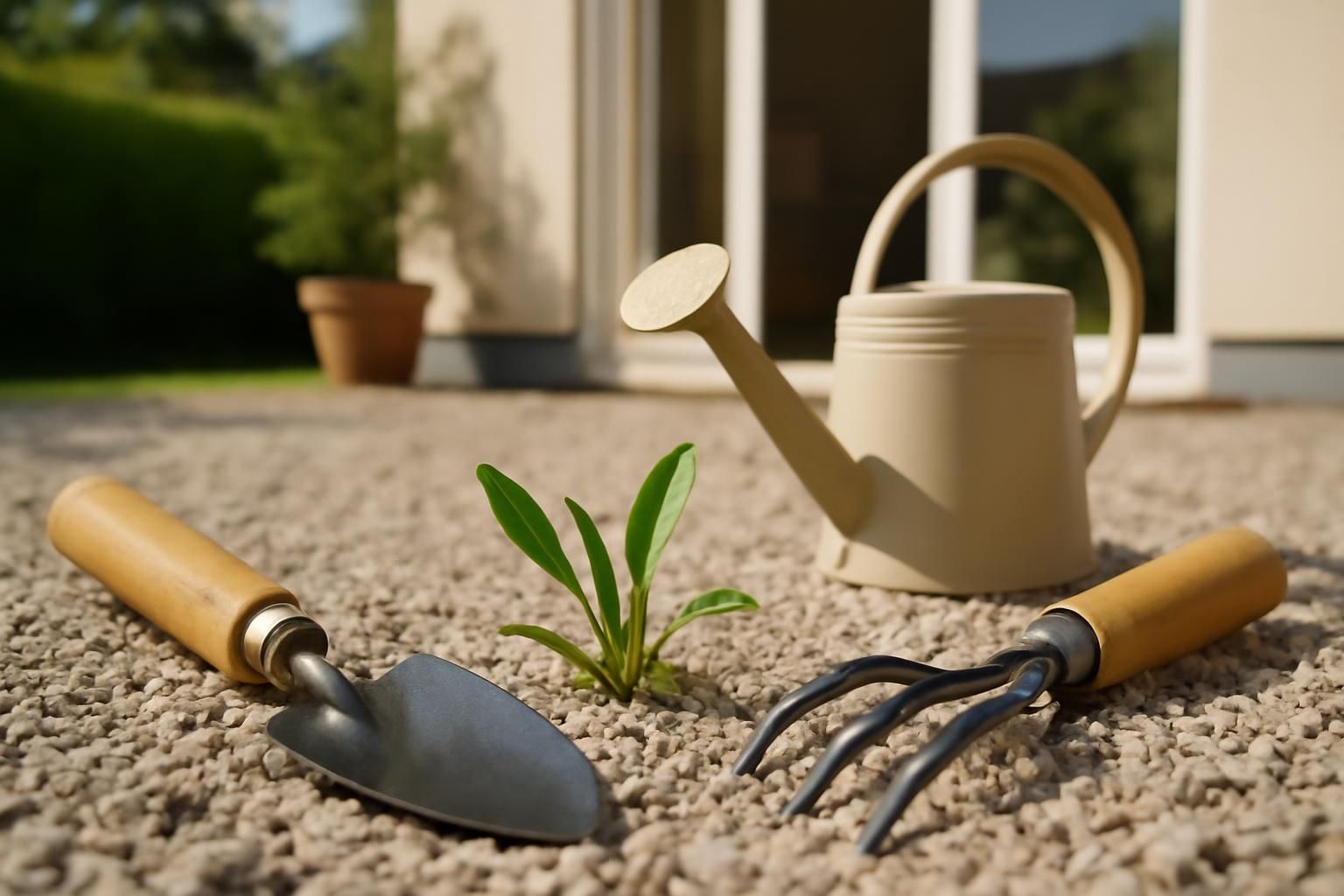
Lay a weed-suppressing membrane beneath gravel to block light and stop weeds from taking root in paths and driveways.
Take soft cuttings from healthy herbs to grow new plants for free. A quick method that works for mint, rosemary, sage, and more.
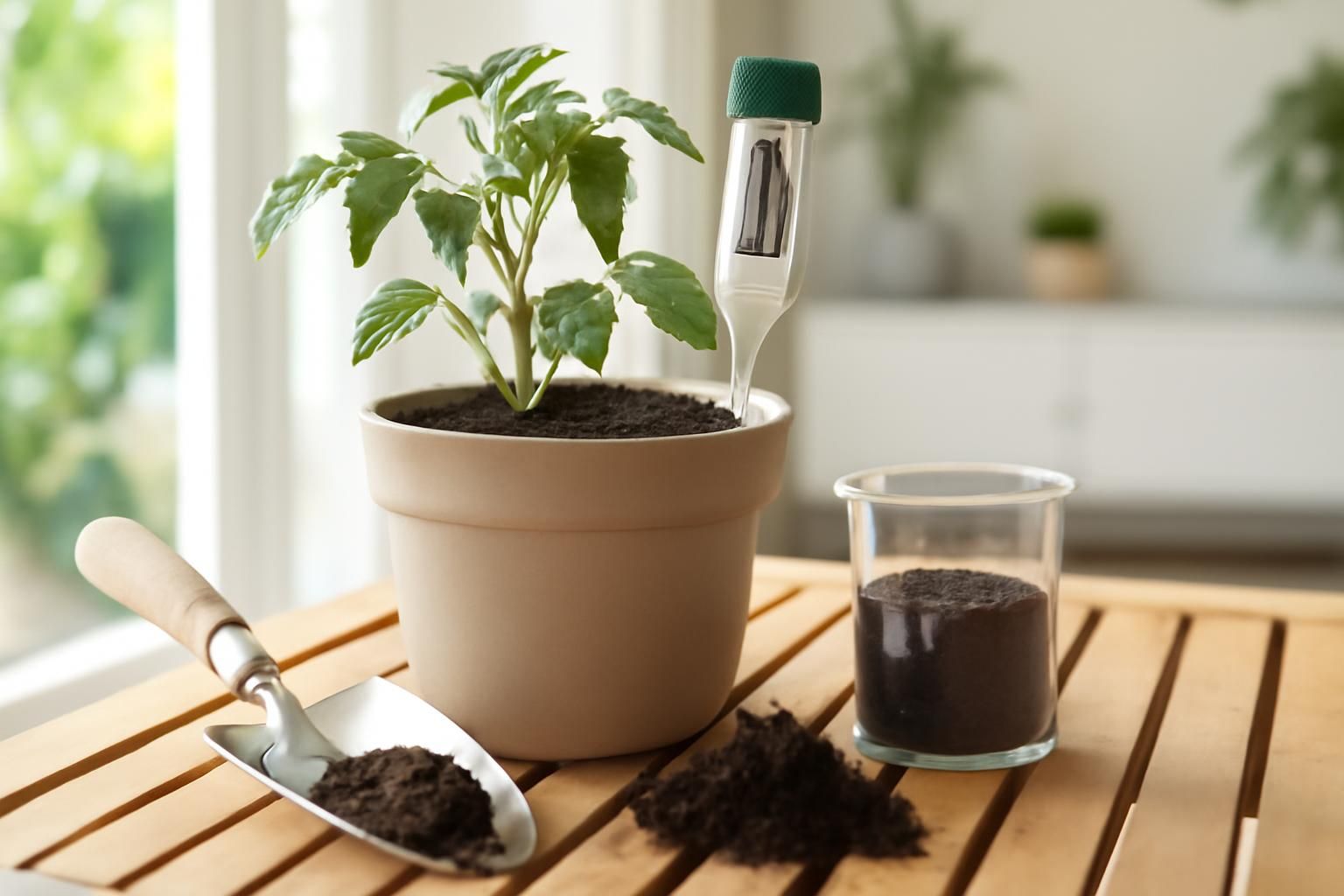
Testing your soil pH helps you choose the right plants and amendments. Learn how to collect samples and use a test kit or meter in minutes.
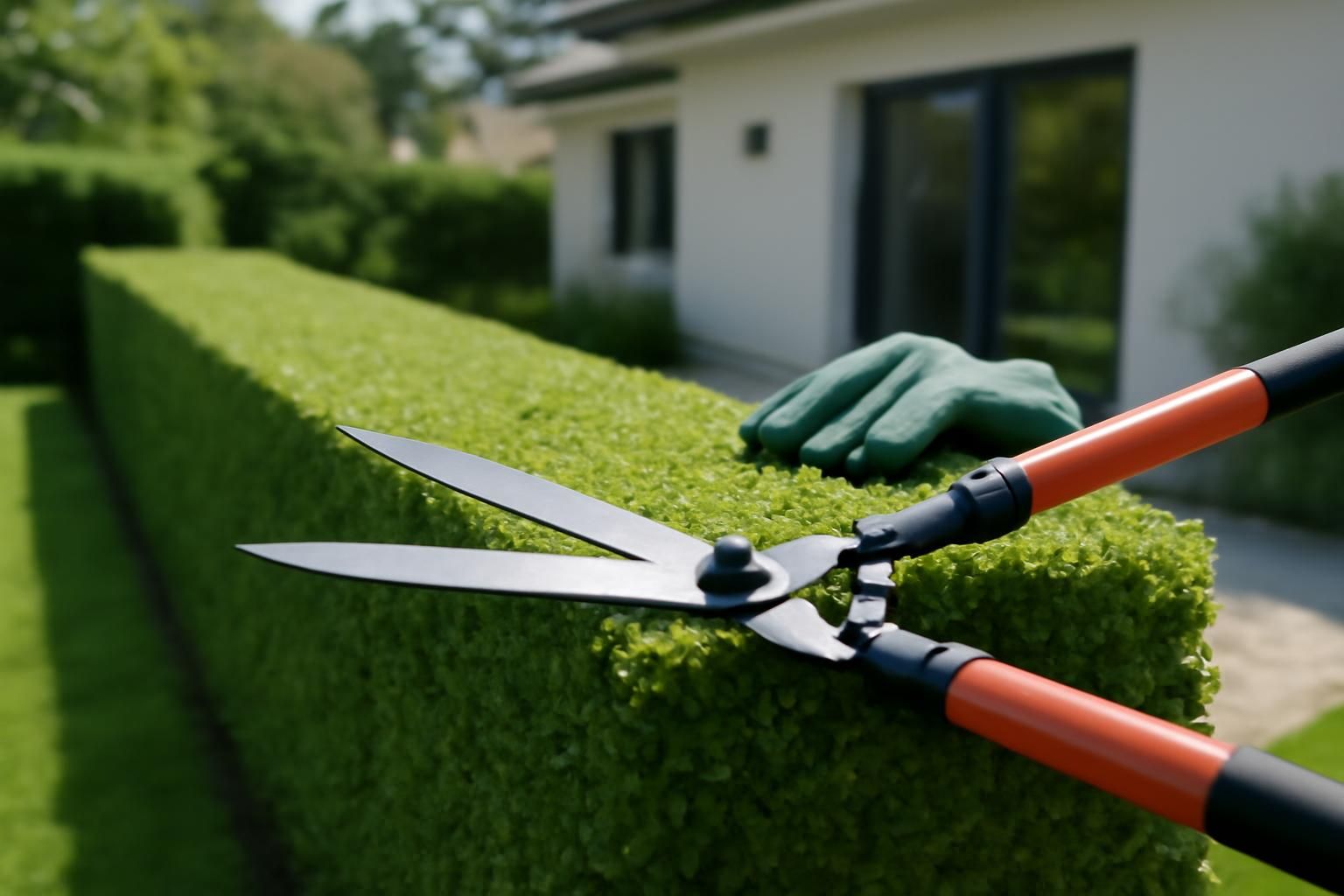
Use a string line to cut hedge tops and sides level. A straightforward way to keep formal hedges looking sharp and tidy.
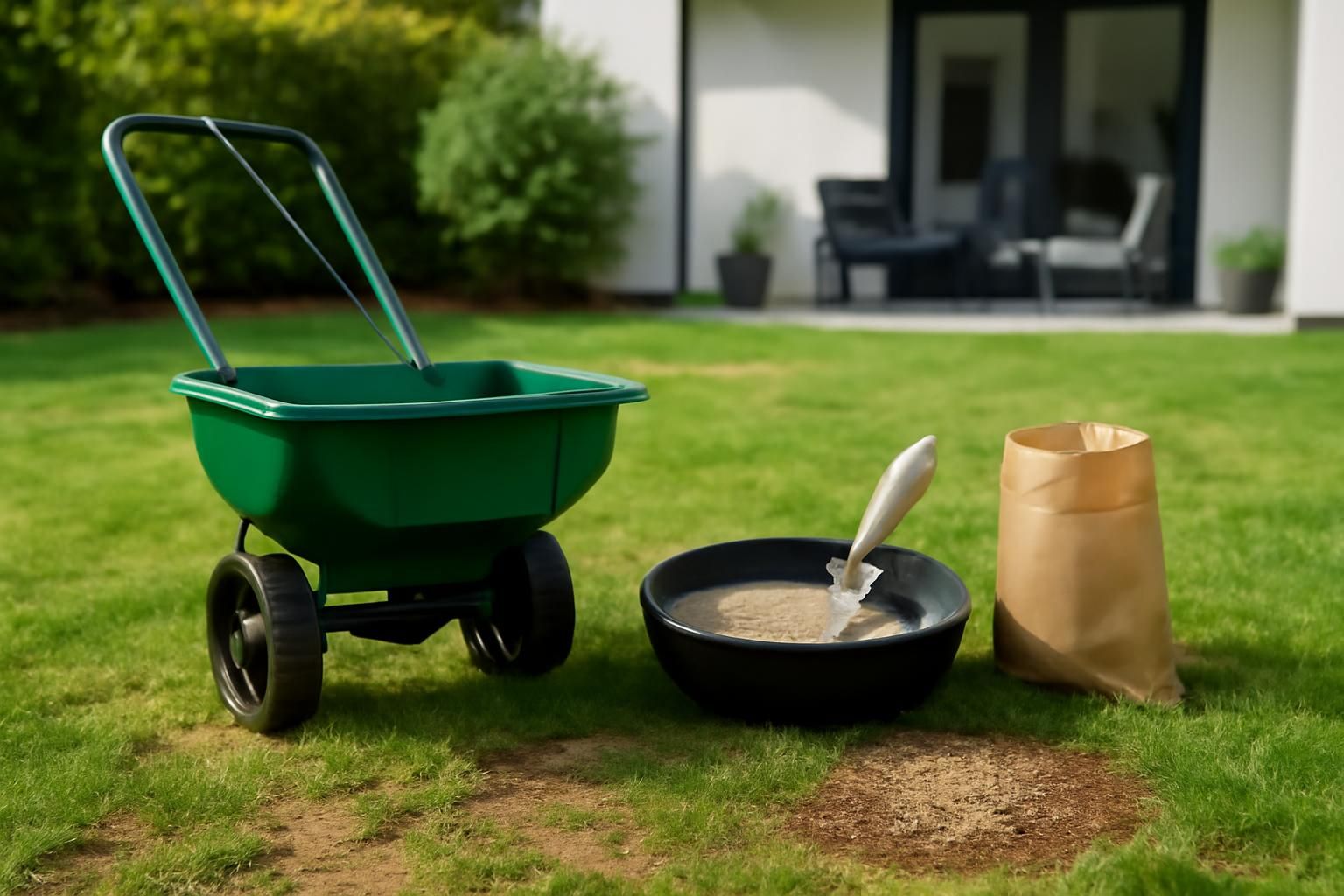
Fill bare patches by sowing seed in late summer or mid-spring after scarifying. Match the seed to your existing lawn, sow thinly, and keep the soil moist until germination.
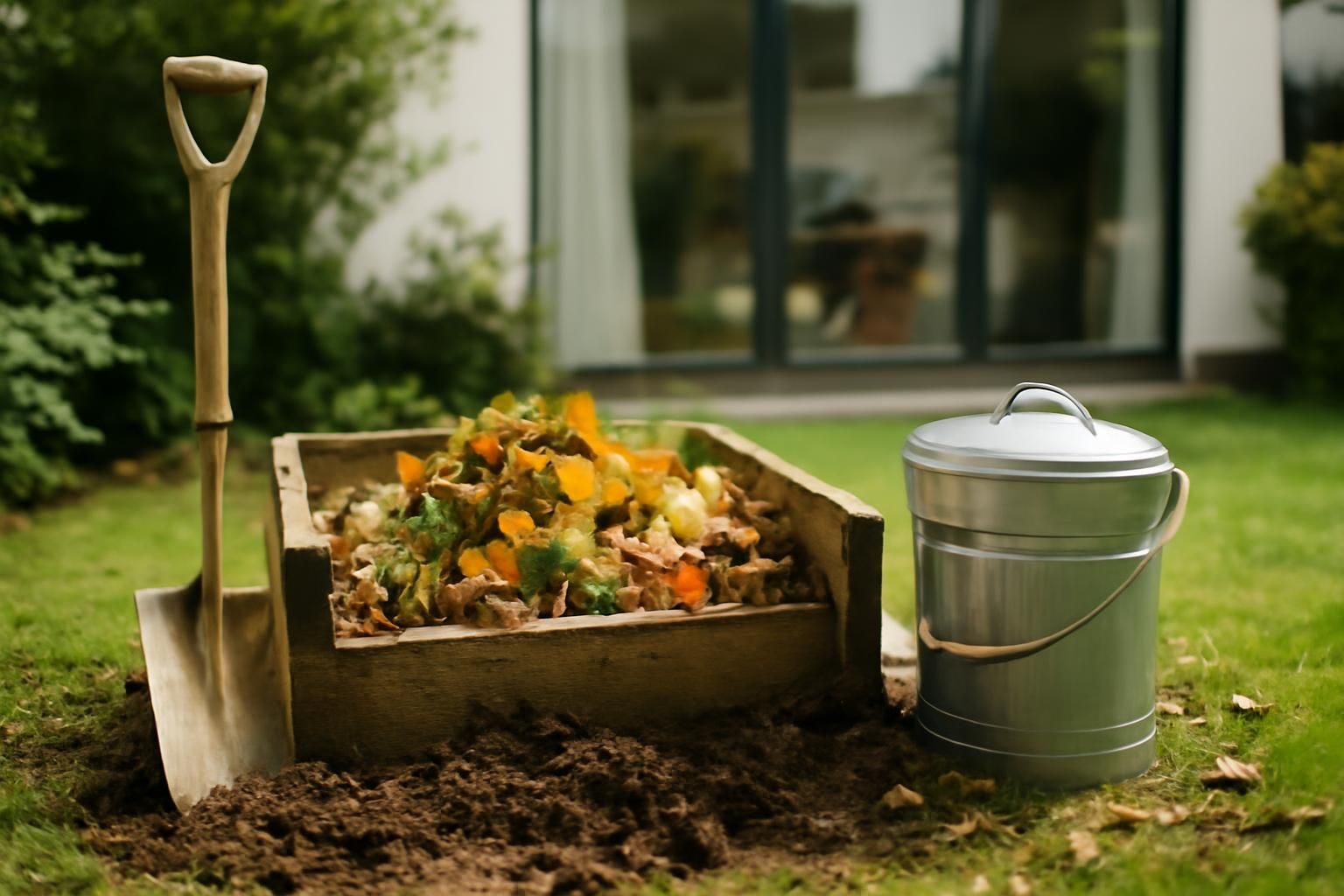
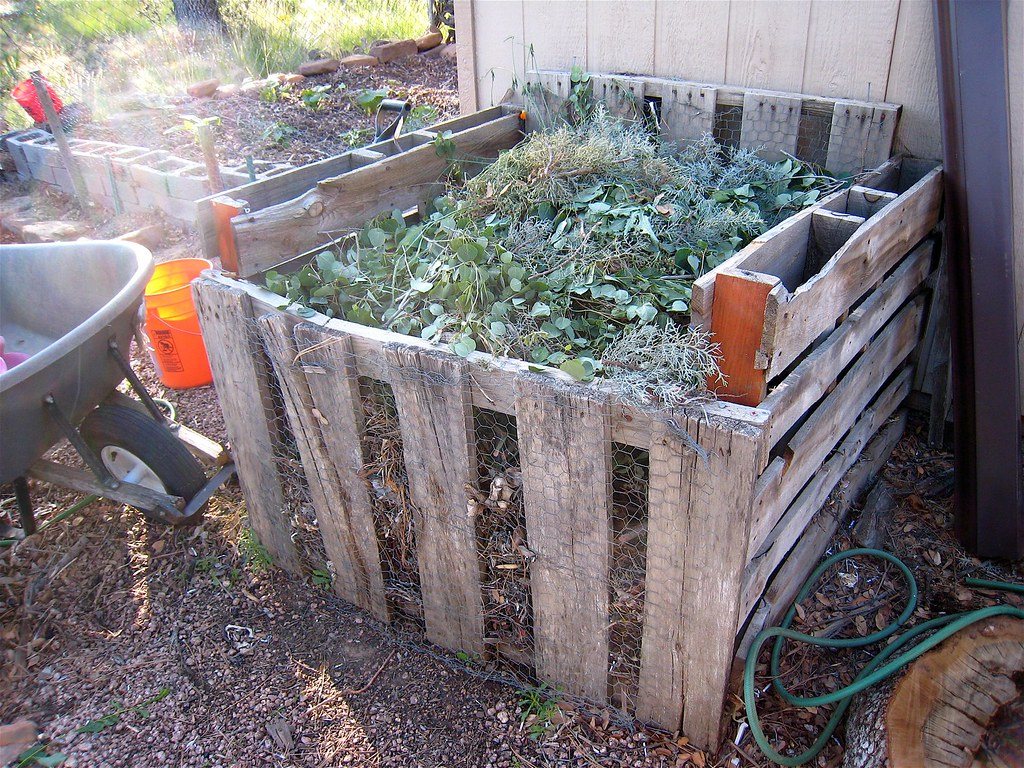
Build a compost heap by mixing nitrogen-rich greens with carbon-rich browns. Keep it moist, turn it often, and avoid meat, cooked food and pet waste.
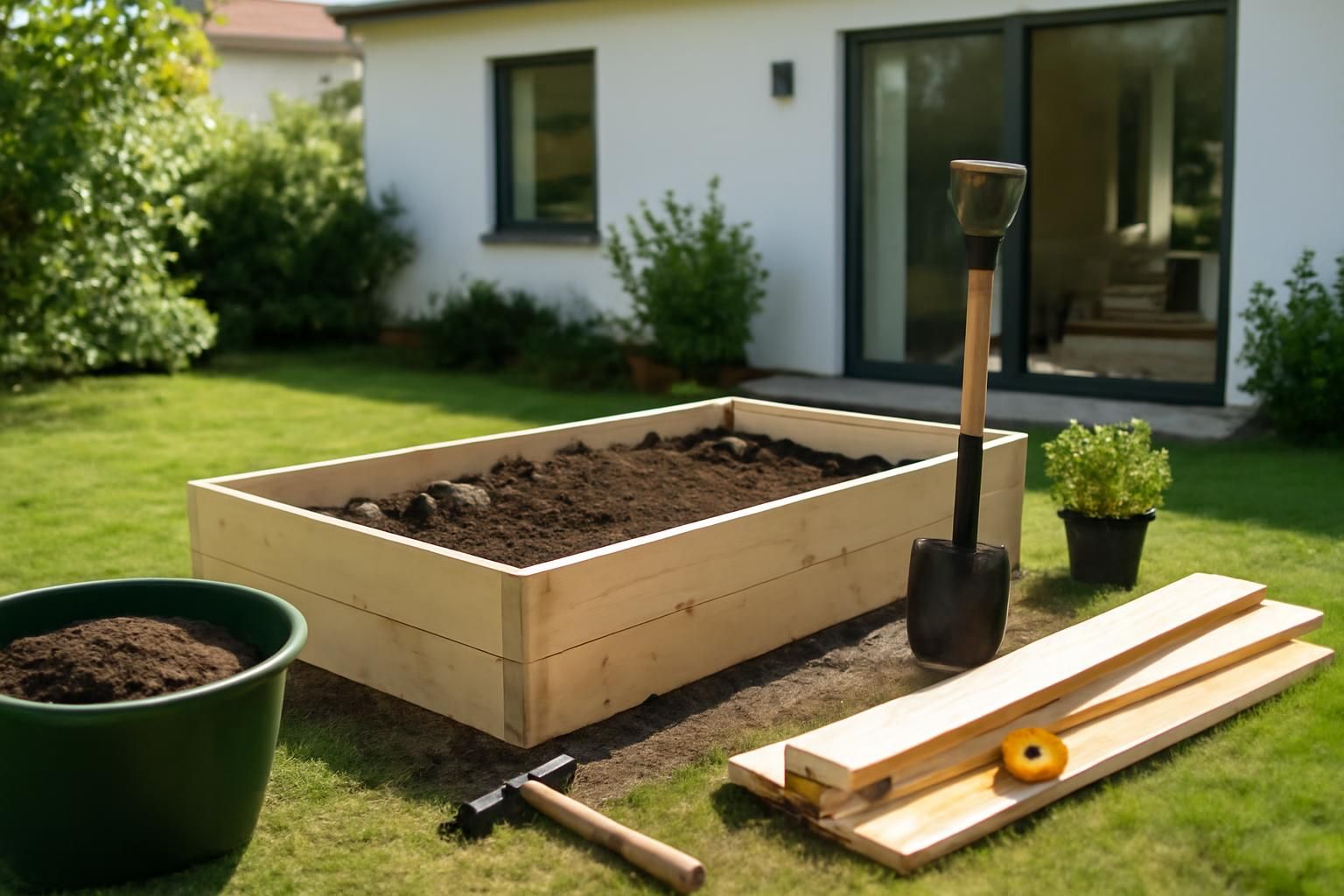
A raised bed lets you control soil quality and drainage. Build a 1.2 m × 2.4 m frame from untreated timber, site it in full sun, and fill it with layered cardboard, compost and topsoil rather than buying bags of compost alone.
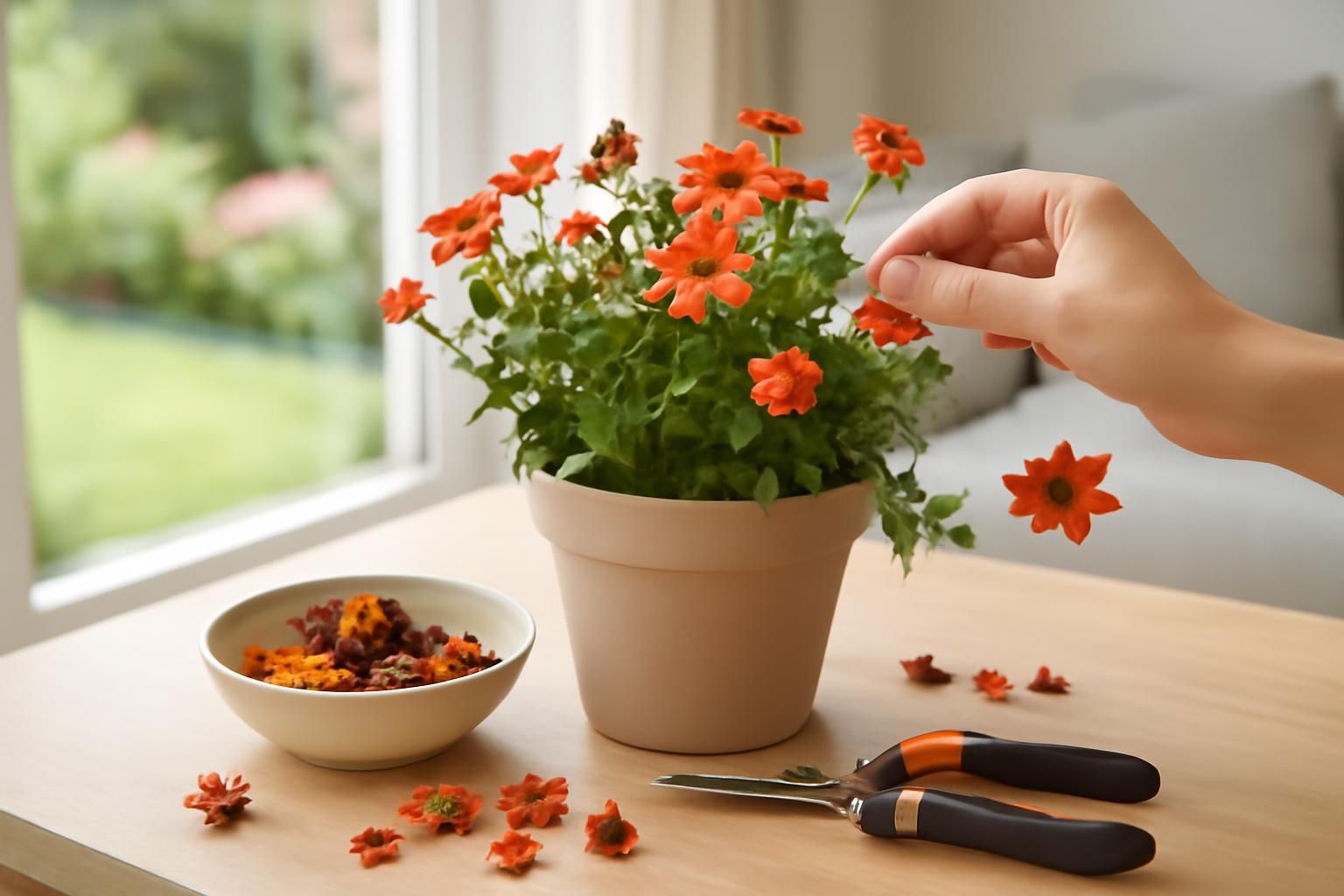
Removing spent flowers stops a plant from putting energy into seed production and redirects it into fresh blooms. Use finger-pinching for soft stems and secateurs for woody growth. Check plants every 5–7 days in summer.
Add organic matter such as compost or bark repeatedly over a year to loosen heavy clay soil. Work it in when the ground is dry, never when waterlogged.
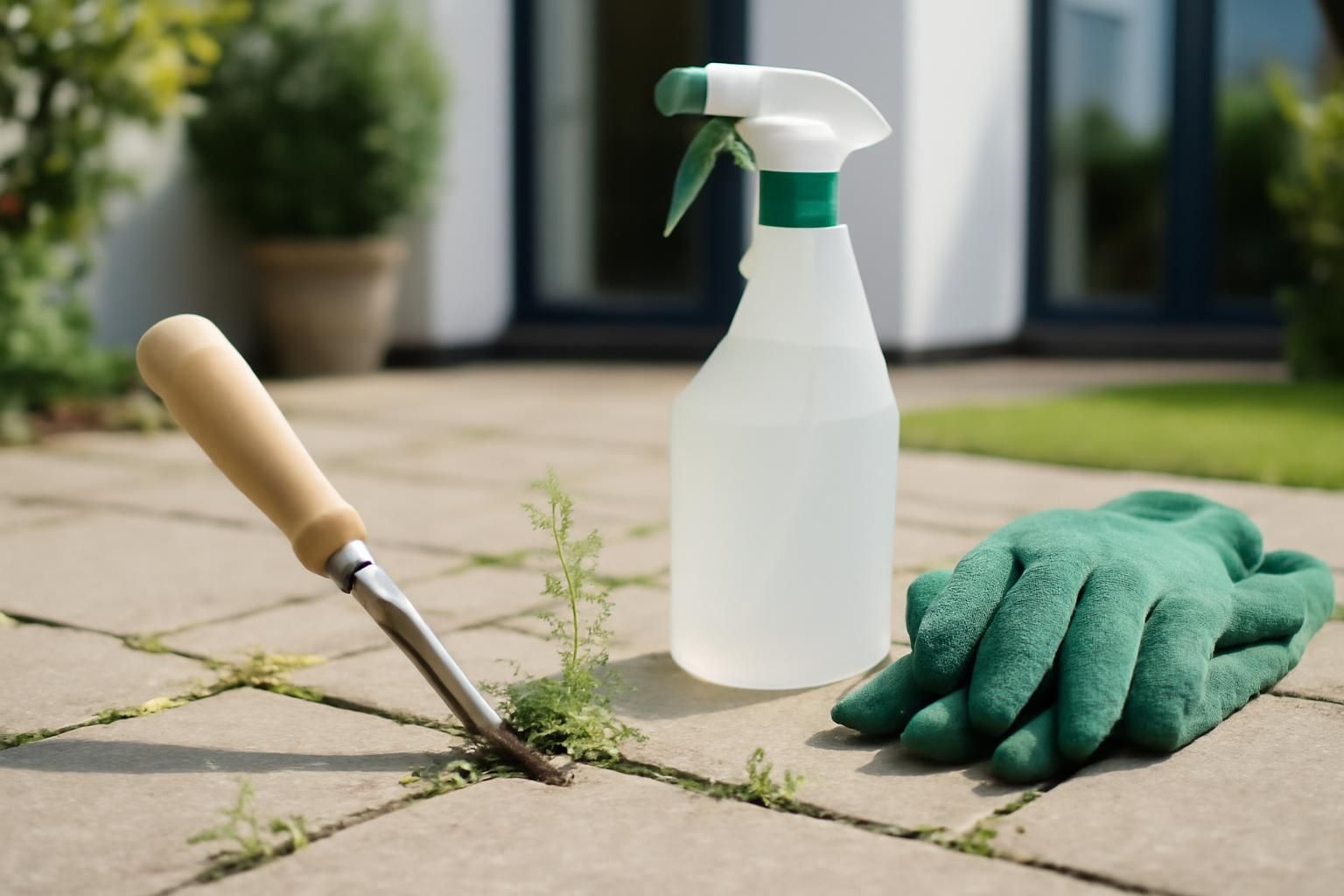
Remove weeds from patio joints using boiling water, vinegar, or salt, then re-point the gaps to stop them coming back.
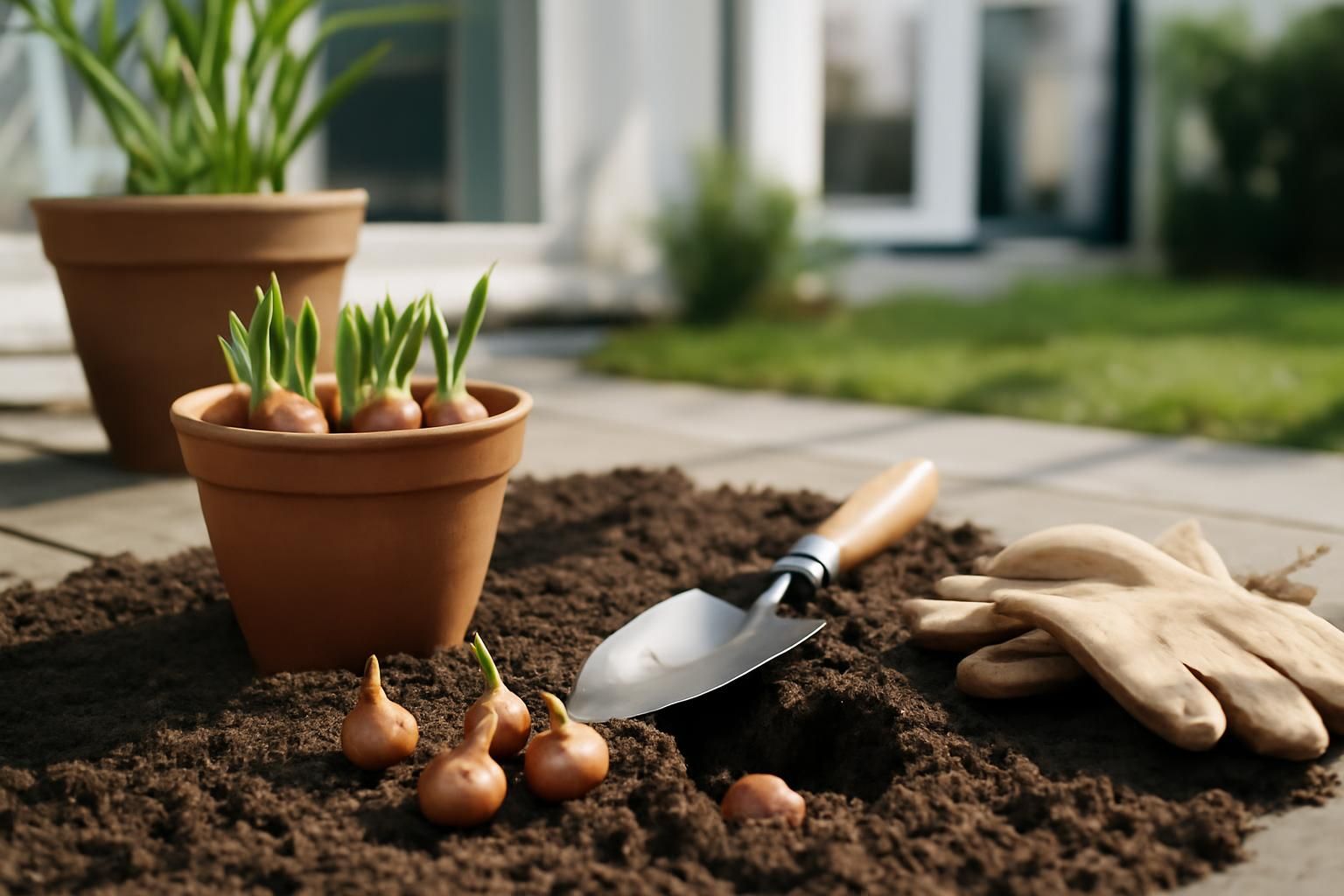
Plant spring bulbs in autumn at two to three times their own depth, with good drainage. Layer bulbs in pots for continuous colour, and protect them from rodents and waterlogging.
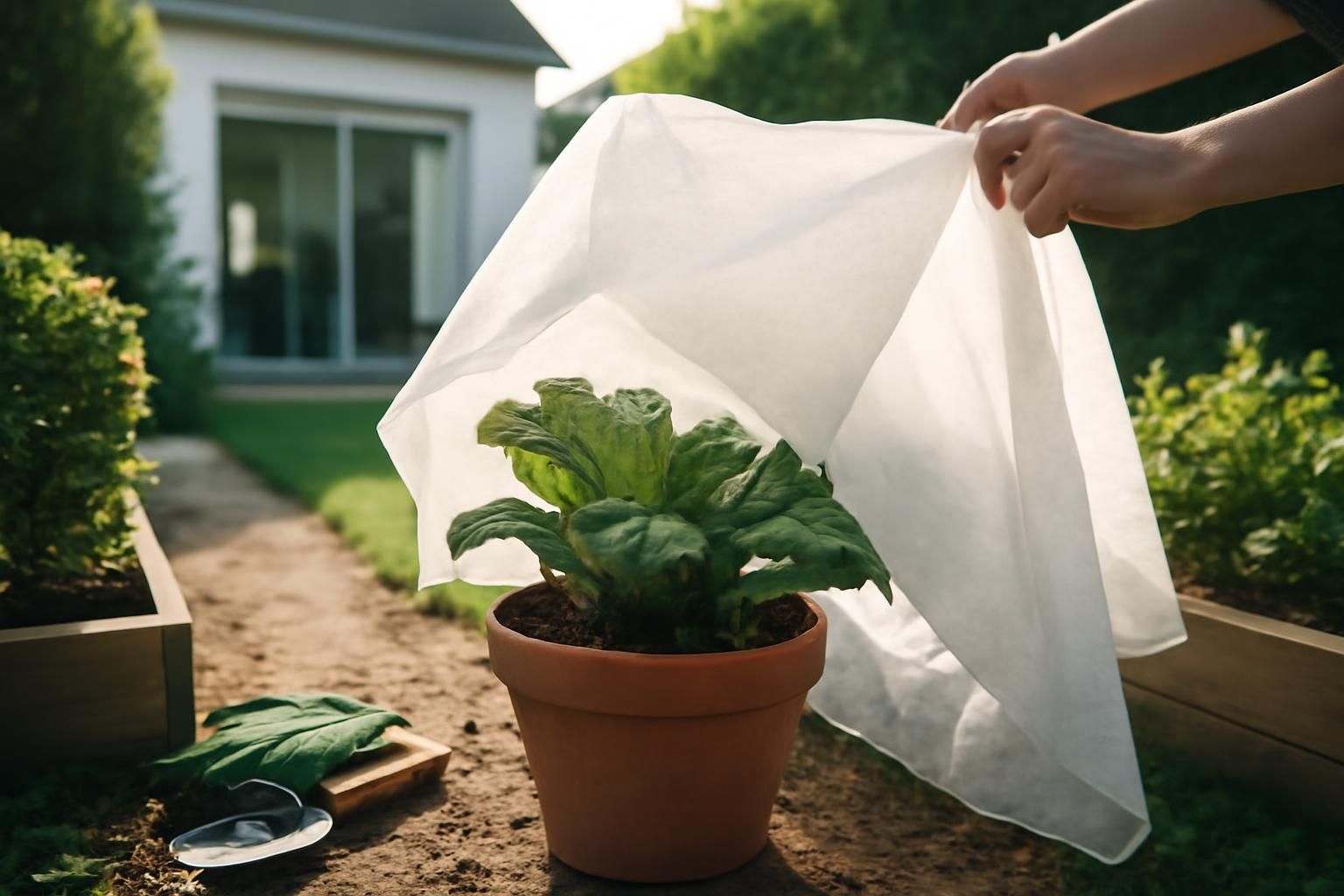
Cover tender plants with horticultural fleece, cloches, or cold frames before frost hits. Move pots to shelter and water lightly the day before a cold snap.
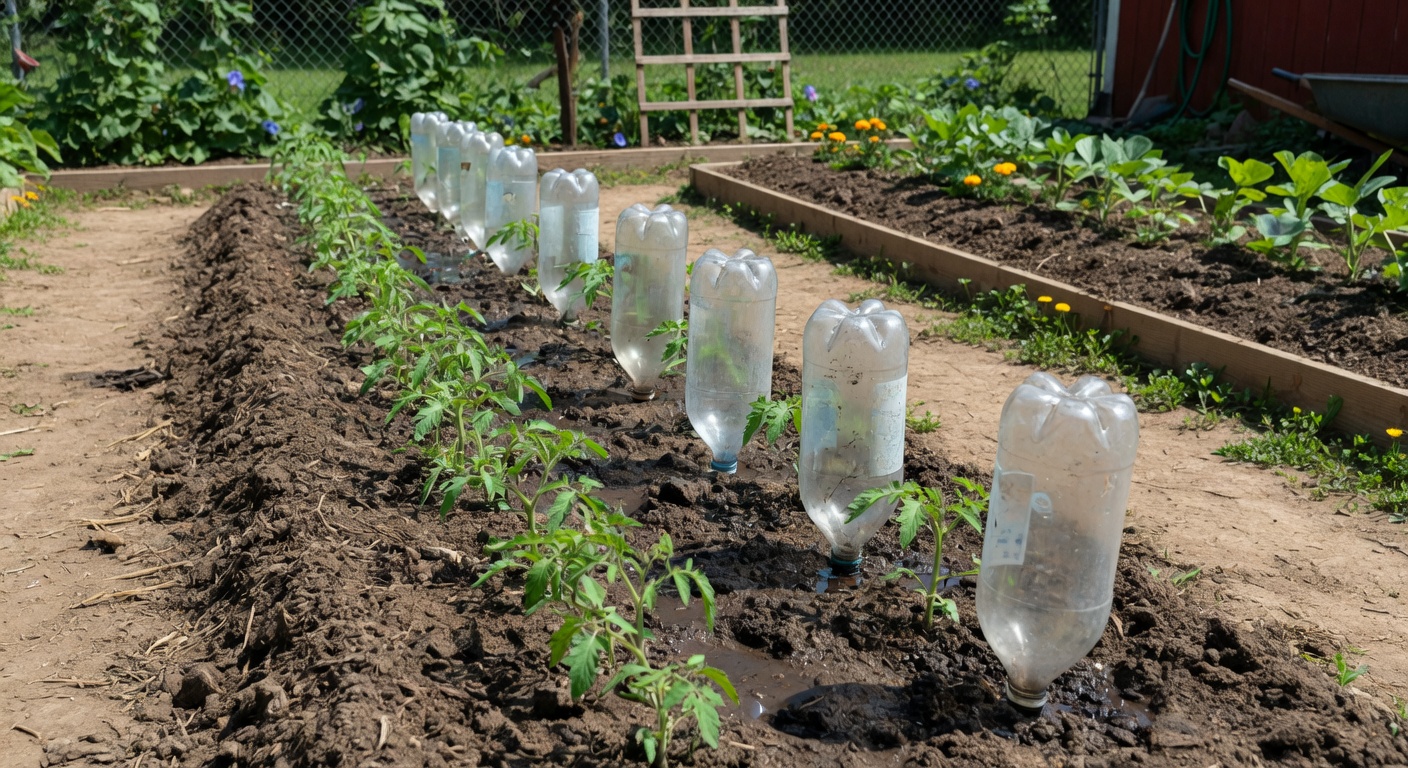
Turn a clean plastic bottle into a slow watering helper for pots, beds, and short trips away.
Speed up compost with smaller pieces, balanced greens and browns, moisture control, and regular turning.