Quick answer
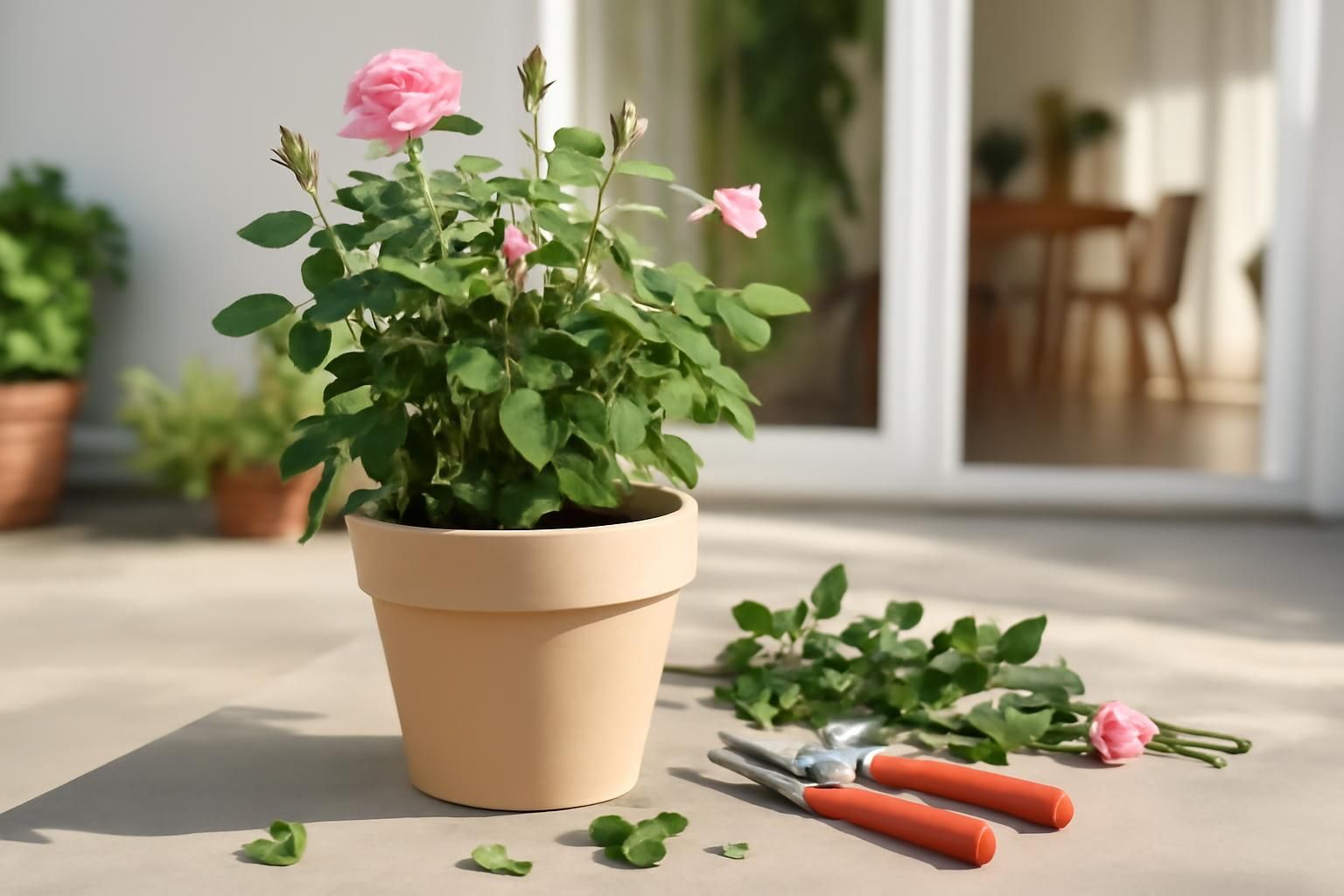
Cut out dead, damaged and diseased wood first, then remove crossing stems and shape to an open centre, making clean angled cuts just above outward-facing buds.
Prune your rose bush in late winter for healthy growth and more blooms.
What you’ll need
- Tool: clean sharp secateurs
- Tool: loppers (for thick wood)
- Tool: pruning saw (for very old stems)
- Tool: thick gauntlet gloves
Materials
- Tool: eye protection
- Material: disinfectant or rubbing alcohol (to clean tools)
- Material: garden mulch
- Material: rose feed or balanced fertiliser
Step by step
- 1
Choose the right time
Prune in late winter or early spring while the rose is dormant but just before strong new growth starts. Deadhead spent blooms through summer. Avoid hard pruning in autumn, which encourages tender growth that frost can damage.
- 2
Clean and sharpen your secateurs
Wipe the blades with disinfectant to prevent spreading disease between plants. Sharp blades make clean cuts that heal faster; blunt tools crush stems and leave ragged wounds.
- 3
Remove the three D's
Start by cutting out all dead, damaged and diseased wood back to healthy, pale green or white tissue. This prevents rot and disease from spreading and opens the framework so you can see what remains.
- 4
Cut just above an outward-facing bud
Make a clean sloping cut about 5 mm above a bud that faces away from the centre of the bush. Angle the cut slightly so water runs off away from the bud. This directs new growth outward and keeps the centre airy.
- 5
Remove crossing and inward-growing stems
Take out any stems that cross or rub against each other, and any that grow back toward the middle. These create congestion, reduce air flow and increase the risk of fungal problems.
- 6
Shape to an open centre
Aim for a goblet shape with four to five strong, evenly spaced outer stems. Shorten remaining stems by roughly one-third to one-half to encourage vigorous new flowering shoots.
- 7
Clear away clippings and feed
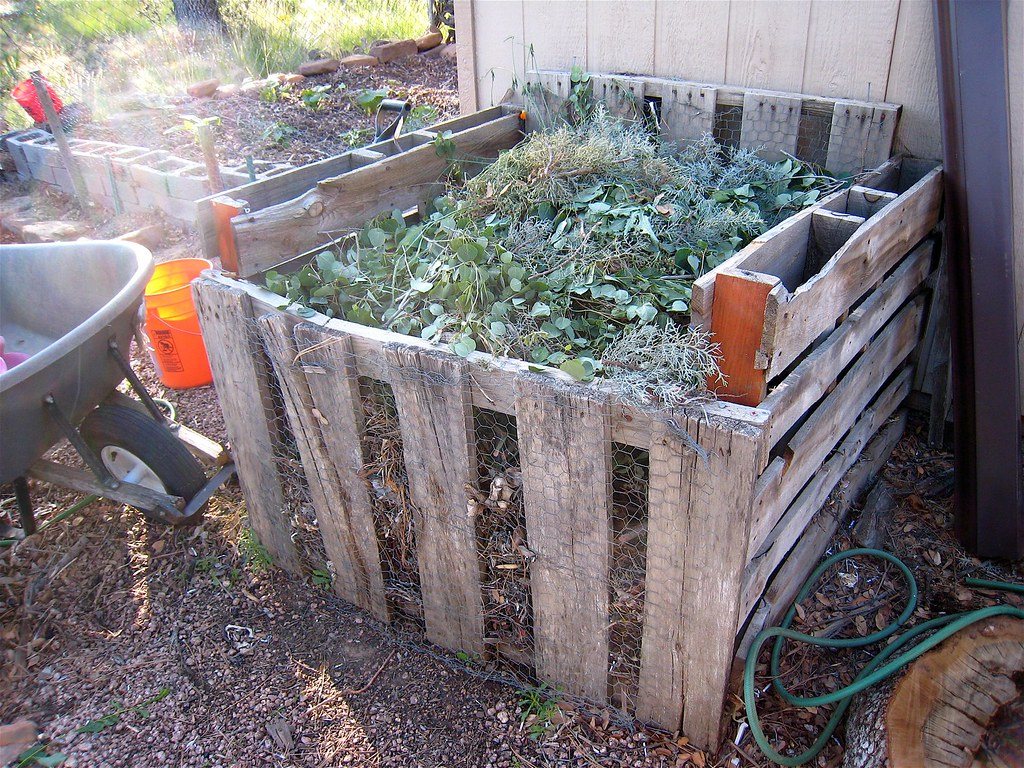
Gather all cuttings and dispose of them in council green waste, not the compost heap, to avoid harbouring disease. Spread a 5 cm layer of mulch around the base and apply a balanced rose feed to support spring growth.
Rose thorns can puncture skin and introduce infection. Always wear thick gauntlet gloves and eye protection. Disinfect tools between plants to avoid spreading disease. If you are pruning a very large or old rose that requires ladders, or if you suspect a serious fungal infection you cannot identify, call a professional arborist or gardener.
Common mistakes
- Pruning at the wrong time of year, such as hard-pruning in autumn, which produces frost-tender growth.
- Leaving ragged cuts or cutting above an inward-facing bud, which leads to congested, tangled growth.
- Using blunt or dirty secateurs that crush stems and transfer disease between plants.
Frequently asked
When is the best time to prune a rose bush?
Late winter or early spring, while the plant is dormant but just before strong new growth begins. You can deadhead spent blooms through summer, but avoid hard pruning in autumn.
How much of the rose bush should I cut back?
Remove all dead, damaged and diseased wood first, then shorten remaining healthy stems by roughly one-third to one-half to encourage vigorous new flowering shoots.
Why are my secateurs crushing the stems instead of cutting cleanly?
Blunt or dirty blades crush stems and leave ragged wounds that heal slowly. Sharpen the blades and wipe them with disinfectant before you start.
Can I compost rose clippings?
It is safer to dispose of rose clippings in council green waste. Home compost heaps rarely reach high enough temperatures to kill disease spores.
What is an outward-facing bud and why does it matter?
An outward-facing bud is one that points away from the centre of the bush. Cutting just above it directs new growth outward, keeping the centre open and airy.
When should I call a professional to prune my roses?
Call a professional if the rose is very large or old and requires ladders, if you are unsure how to identify diseased wood, or if the plant shows signs of a serious infection you cannot diagnose.