Quick answer
Chop scraps small, mix roughly one part green material with two parts brown material, keep it damp like a wrung sponge, and turn the pile every few days.
Fast compost is less about special additives and more about giving microbes the right surface area, air, water, and food balance.
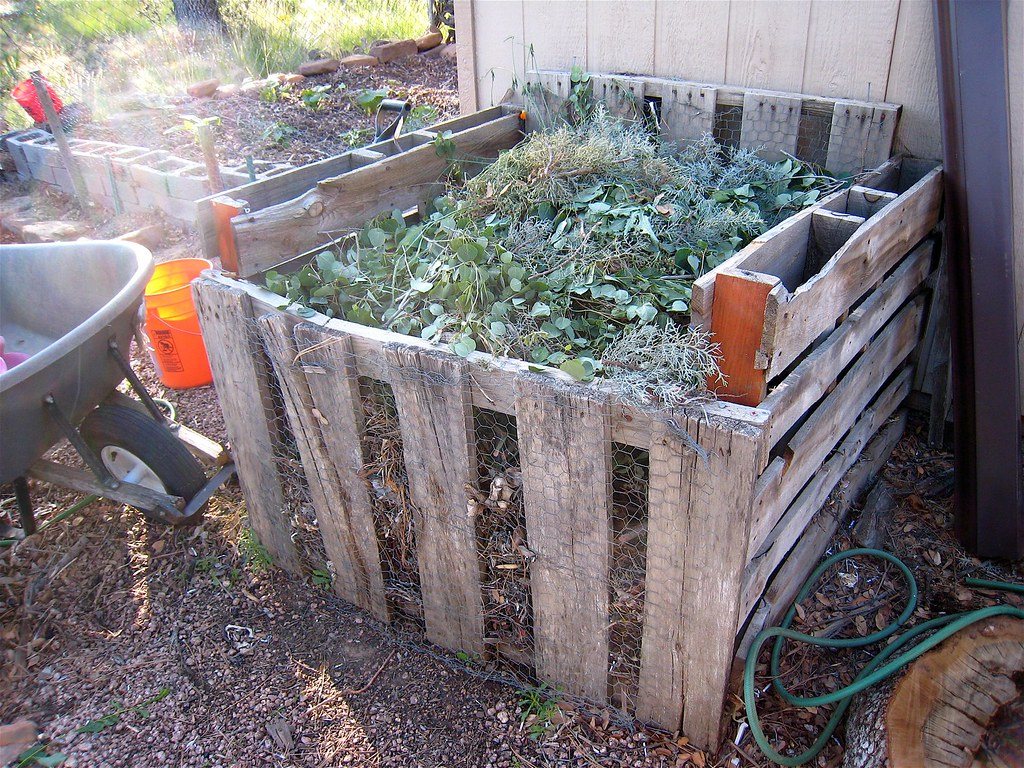
What you’ll need
- Garden fork
- Bucket
- Pruners or shovel
- Compost thermometer if available
Materials
- Green scraps
- Dry leaves or shredded cardboard
- Water
- Finished compost or garden soil
Step by step
- 1
Chop the material
Cut stems, peels, and cardboard into smaller pieces so microbes can work faster.
- 2
Balance greens and browns
Mix nitrogen-rich greens with carbon-rich browns. Too many greens smell; too many browns stall.
- 3
Moisten evenly
Add water until the pile feels damp but not dripping. Dry edges slow the whole batch.
- 4
Add a starter
A shovel of finished compost or garden soil introduces helpful organisms.
- 5
Turn for oxygen
Turn the pile every three to seven days, moving dry edges into the middle.
What not to add
Skip meat, dairy, oily food, diseased plants, invasive weeds with seed heads, and pet waste. These create odor, pests, or health risks in a normal home compost pile.
If the pile smells rotten, it is too wet or compacted. Add dry browns and turn it before adding more kitchen scraps.
Common mistakes
- Leaving scraps in large chunks
- Adding only kitchen waste
- Letting the pile dry out completely
Frequently asked
How fast can compost be ready?
With good balance and turning, usable compost can form in a few weeks to a few months, depending on weather and materials.
Do I need a bin?
A bin helps with neatness and heat, but the same rules work in a simple pile.