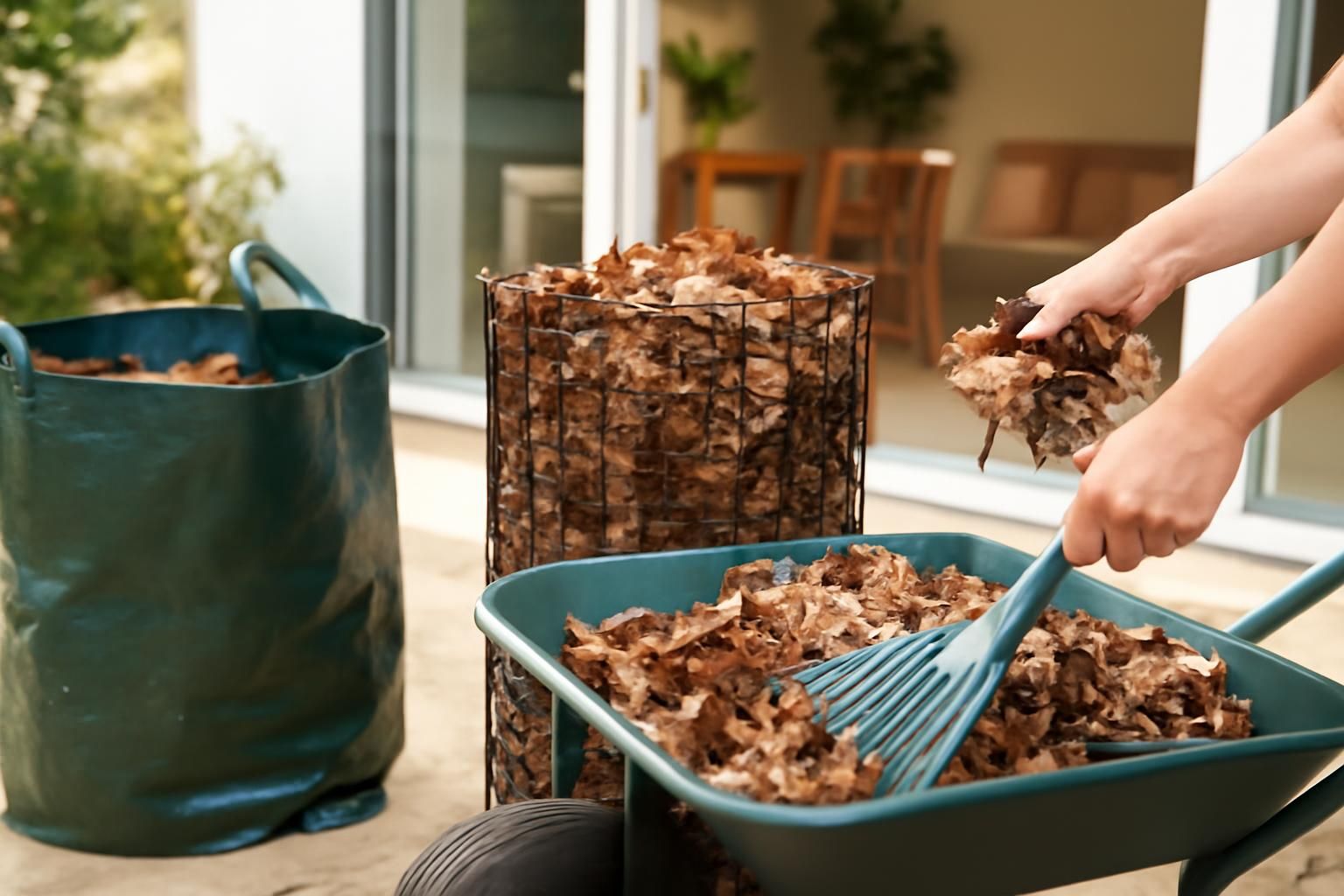
Quick answer
Gather fallen leaves in autumn. Pack them into a wire mesh bin or black bin bags. Dampen them if dry. Store in a shady corner for one to two years. The result is a dark, crumbly mulch perfect for improving soil or top-dressing beds.
Leaf mould is one of the simplest soil improvers you can make. It costs nothing, requires little effort, and turns autumn leaves into a rich, crumbly material that your plants will love.
What you’ll need
- fallen leaves
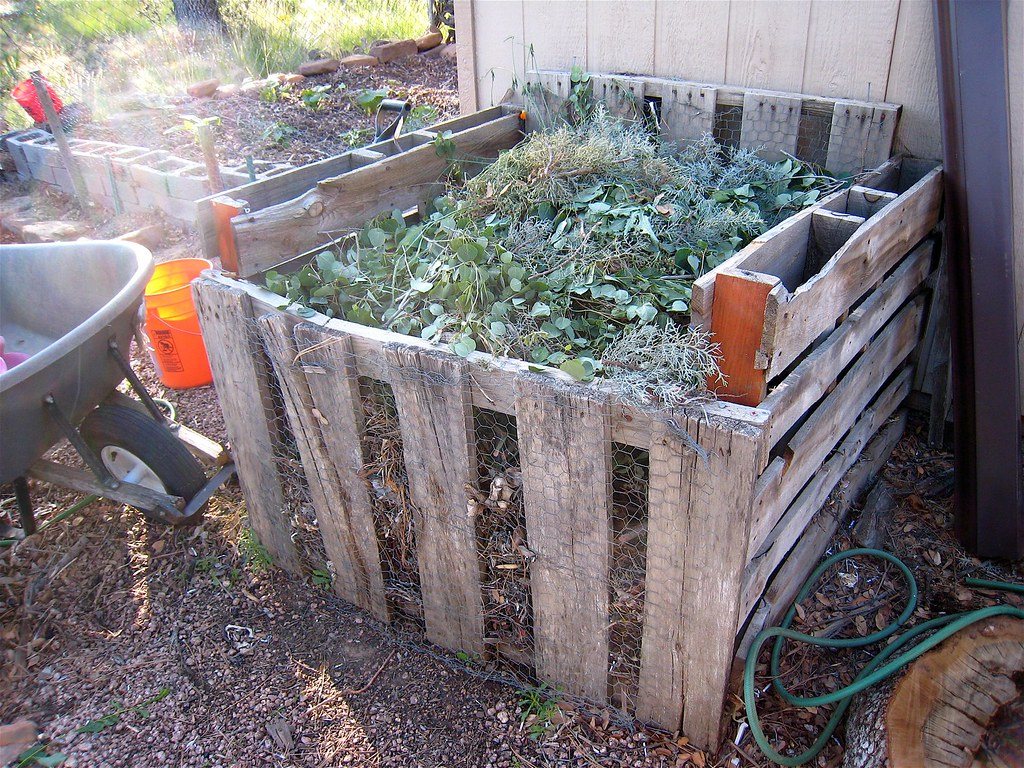
- wire mesh bin or black bin bags
- garden fork
- hose or watering can
- shady corner
Step by step
- 1
Collect leaves in autumn
Rake fallen leaves from lawns and paths. Avoid leaves from busy roads or those showing signs of heavy disease such as black spot.
- 2
Choose a container
Use a wire mesh bin for large amounts. For small spaces, fill punctured black bin bags and tie them loosely.
- 3
Pack and dampen
Fill your container and press leaves down lightly with a fork. Spray with water if they are dry. They should be damp, not soggy.
- 4
Store and wait
Place in a shady corner. Check yearly and dampen if dry. After 12 months you will have partially rotted mulch. After 24 months it will be fine, crumbly leaf mould.
- 5
Use your leaf mould
Sieve out any twigs. Mix into potting compost, spread as a mulch, or dig into beds to improve soil structure.
Common mistakes
- Using only evergreen leaves like holly or laurel. They rot slowly. Mix with deciduous leaves or compost them separately.
- Letting the heap dry out completely. Dry leaves stop decomposing. Check moisture during summer.
- Adding diseased leaves or pet waste. These can spread problems or introduce harmful bacteria.
- Expecting results in weeks. Leaf mould needs patience. Plan for at least one full year.
Frequently asked
Can I speed up leaf mould production?
Shred leaves with a lawn mower first. Smaller pieces rot faster. Turn the heap every few months to add air.
What if I do not have many leaves?
Ask neighbours for theirs. Many people bag them for collection and will happily give them away.