Quick answer
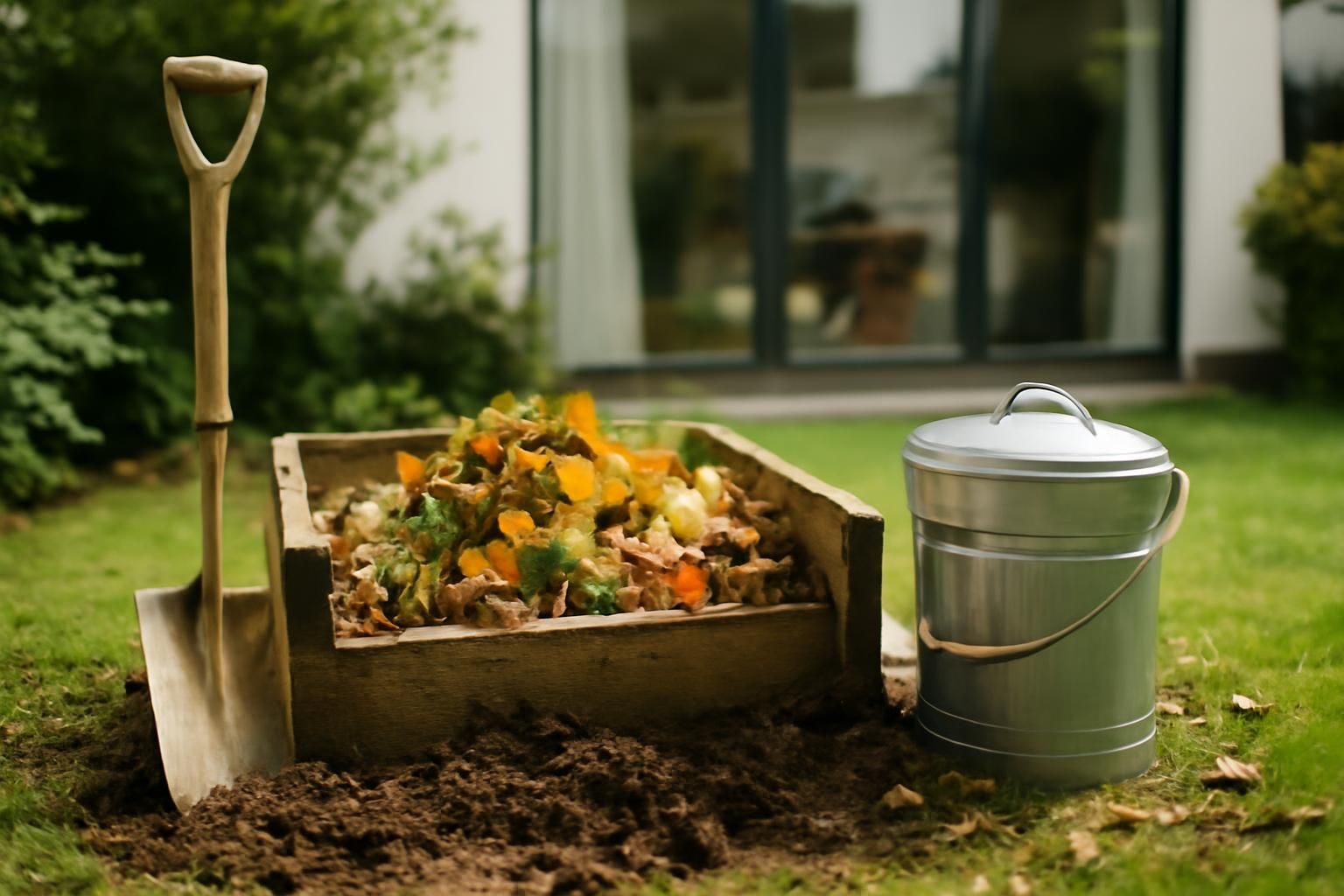
Choose a partially shaded spot and set up a bin or open bay. Add one part green waste like grass clippings and vegetable peelings to two or three parts brown waste like cardboard and dry leaves. Turn the heap every few weeks and keep it as damp as a wrung-out sponge. Finished compost is dark, crumbly and smells earthy.
Composting turns kitchen and garden waste into rich soil improver. The key is balancing nitrogen-rich 'greens' with carbon-rich 'browns'. Get this ratio right and the heap heats up, breaks down quickly and smells of earth. Get it wrong and you end up with a slimy, smelly mess.
What you’ll need
- Compost bin or open bay
- Garden fork or shovel
- Hose or watering can
- Green waste (grass, veg peelings, tea bags, fresh plant trimmings)
- Brown waste (dry leaves, cardboard, straw, shredded paper, woody prunings)
Step by step
- 1
Choose your setup
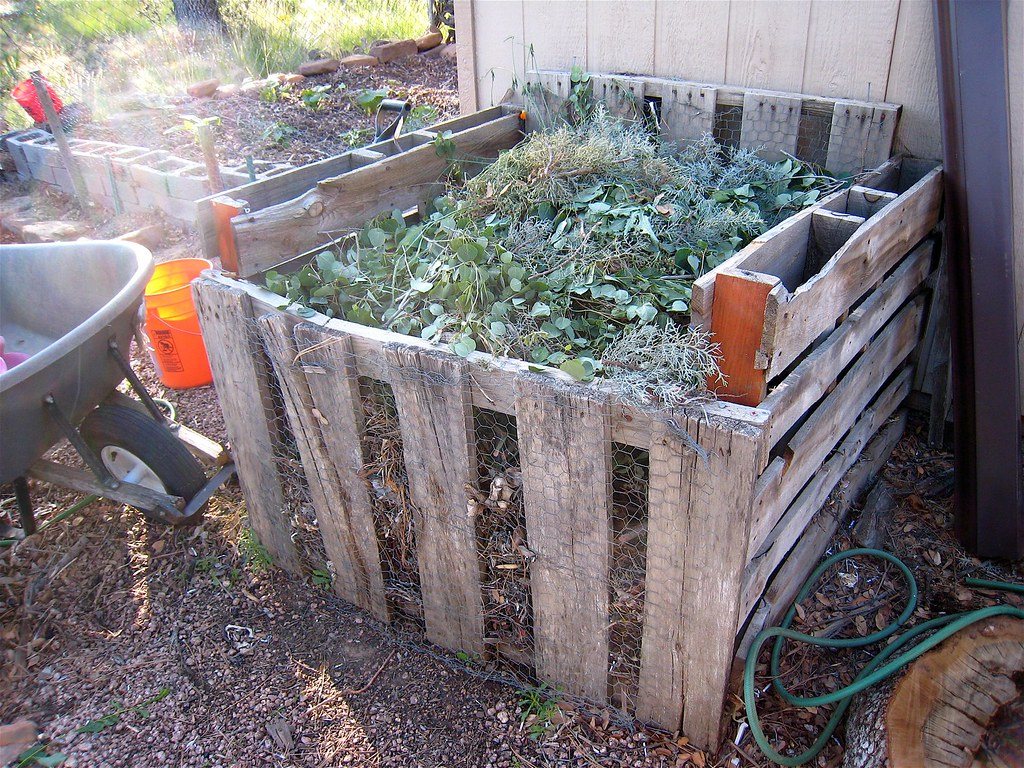
Pick a flat, partially shaded spot on bare soil. Open bays heat up faster and are easier to turn with a fork, but plastic dalek bins are neater and better for small gardens. Place the bin directly on soil so worms and microbes can enter.
- 2
Layer greens and browns
Add roughly one part green waste to two or three parts brown waste. Greens include grass clippings, vegetable peelings, tea bags and fresh plant trimmings. Browns include dry leaves, cardboard torn into pieces, straw, shredded paper and woody prunings. Alternate thin layers to stop the heap compacting.
- 3
Keep the moisture right
The heap should feel like a wrung-out sponge. If it is soggy and smells rotten, add more browns and turn it to let air in. If it is dry and white on top, water it lightly and turn it. Checking moisture once a week solves most composting problems.
- 4
Turn the heap regularly
Use a garden fork to turn the heap every two to four weeks. This mixes the materials, adds oxygen and speeds up decomposition. The centre should feel warm. If it never heats up, add more greens and turn it more often.
- 5
Know what to leave out
Never add cooked food, meat, fish or dairy — they attract rats and smell bad. Do not add dog or cat faeces; they carry pathogens. Avoid diseased plants, persistent weeds such as bindweed, and large quantities of citrus peel, which acidify the heap.
- 6
Harvest the compost
Hot composting with regular turning produces usable compost in 3–6 months. Cold passive composting takes 9–18 months. Finished compost is dark brown, crumbly and smells earthy. Screen out any large unfinished pieces and throw them back into the next heap.
The biggest hazard is attracting rats, mice and flies by adding cooked food, meat, fish or dairy. Never compost dog or cat faeces — they carry harmful pathogens that can survive the composting process. If your heap smells rotten or attracts pests despite following these rules, remove the offending material, add dry browns and turn it immediately.
Common mistakes
- Piling on grass clippings without mixing in dry material — they mat into an anaerobic, slimy layer that smells and stops airflow.
- Never turning the heap, then wondering why it takes two years and still has lumpy, unfinished material in the middle.
- Putting citrus peel in large quantities — it's fine in moderation, but excessive amounts acidify the heap and deter beneficial worms.
Frequently asked
Can I compost in a small garden or on a balcony with no outdoor space?
Yes. Small plastic bins, tumbler composters and even bokashi buckets work in tiny gardens or on balconies. You will produce less compost, but the same green-to-brown rules apply. Avoid open heaps on balconies because they can attract flies and drip leachate.
Why does my compost smell bad, and how do I fix it?
A bad smell means the heap has gone anaerobic, usually from too many greens or too much water. Turn it thoroughly with a fork to add air, then mix in dry browns such as cardboard, straw or shredded paper until the moisture feels like a wrung-out sponge again.
When is compost ready to use, and how can I tell?
Compost is ready when it looks like dark, crumbly soil and smells earthy rather than rotten. You should not be able to recognise the original materials, though small woody pieces are fine. If you still see intact vegetable peelings or grass clippings, let it sit longer or return the unfinished material to the heap.