Quick answer
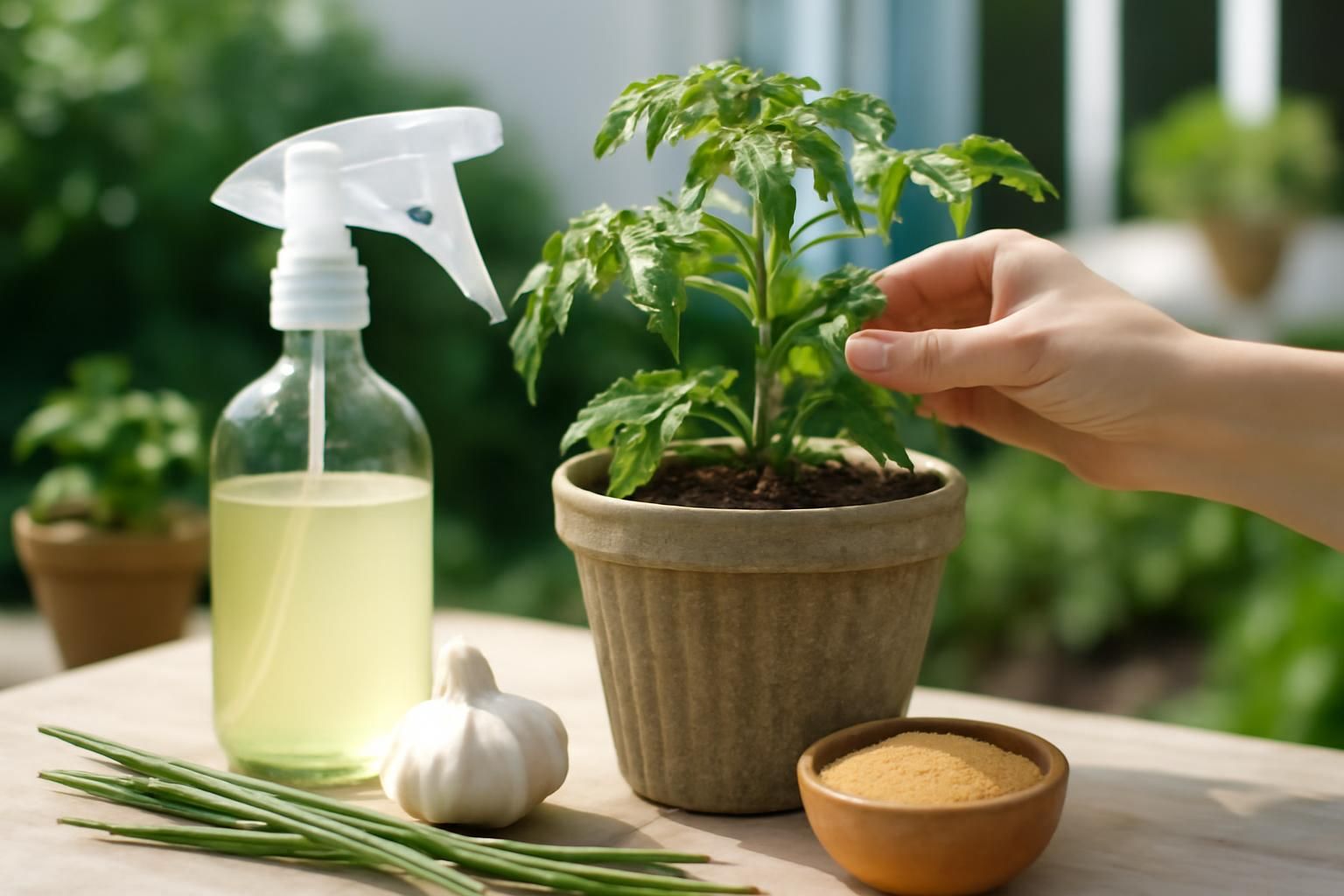
Mix a few drops of washing-up liquid with water in a spray bottle and coat affected leaves. Repeat every few days, and release ladybirds or cover plants with fleece for long-term defence.
Aphids suck sap from young shoots and spread viruses. You rarely eliminate them entirely, but you can keep numbers low enough that plants stay healthy without using synthetic chemicals.
What you’ll need
- spray bottle
- water
- washing-up liquid
- neem oil (optional)
- ladybirds or lacewings (optional)
- horticultural fleece
Step by step
- 1
Inspect plants regularly
Check the undersides of leaves and the tips of new growth twice a week. Catching aphids early stops colonies from exploding.
- 2
Blast small infestations with water
A strong jet from a hose knocks aphids off stems and leaves. Most cannot climb back onto the plant.
- 3
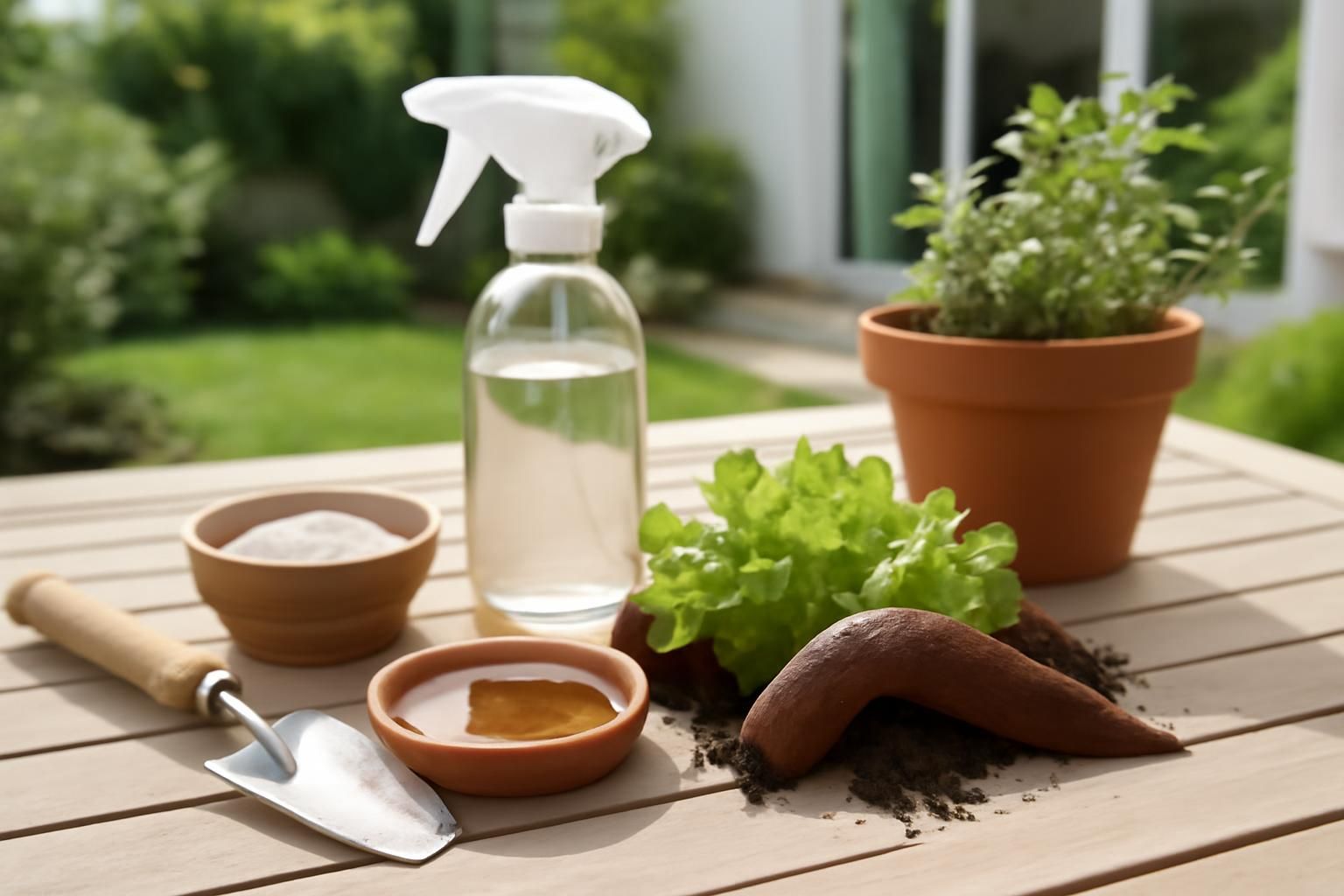
Spray soapy water
Fill a spray bottle with one litre of water and add two drops of washing-up liquid. Coat the affected foliage, especially underneath the leaves. Reapply after rain.
- 4
Add neem oil for heavy attacks
Mix neem oil at the dilution rate on the bottle. Spray in the evening to avoid burning leaves in bright sunlight.
- 5
Introduce natural predators
Release ladybirds or lacewings near infested plants. They eat aphids steadily and work best in an enclosed greenhouse or on a sheltered patio.
- 6
Cover vulnerable crops with fleece
Drape horticultural fleece over seedlings and soft fruit to block aphids from landing. Secure the edges with stones or pegs.
Common mistakes
- Using too much washing-up liquid, which scorches the leaves.
- Spraying soapy mixtures in direct midday sun, causing leaf burn.
- Giving up after one treatment. Aphids reproduce fast, so repeat applications are essential.
- Ignoring ants. Ants farm aphids for honeydew, so stopping ants helps reduce aphid numbers.
Frequently asked
Will soapy water harm bees?
Avoid spraying open flowers. Spray in early morning or evening when pollinators are less active.
Can I use this on edible crops?
Yes, but rinse edible produce thoroughly before eating.
Why do aphids keep coming back?
They reproduce parthenogenetically, meaning one aphid can birth dozens more in days. Persistence is key.