Quick answer
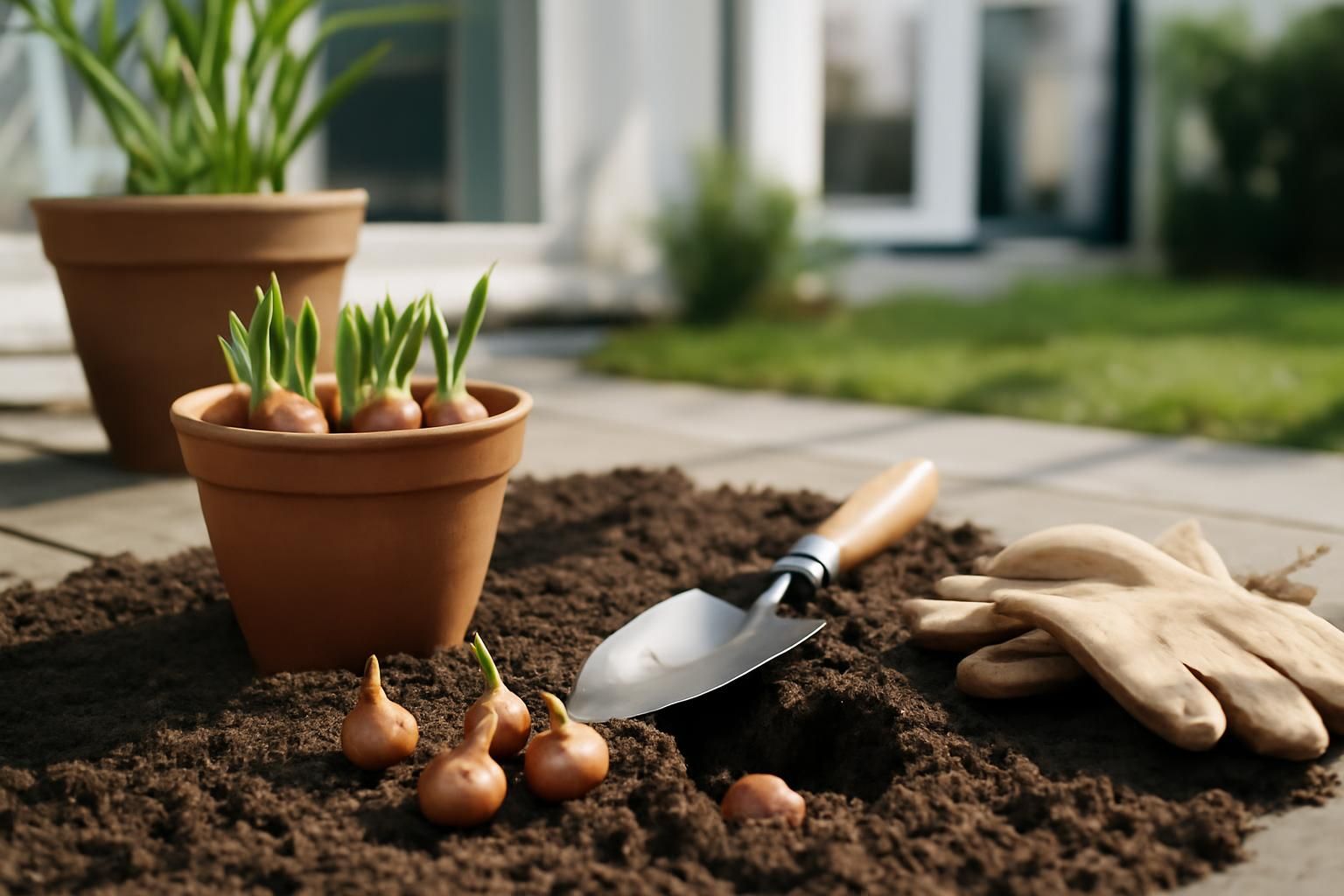
Plant bulbs from October to November, before the ground freezes. Dig a hole two to three times the bulb's height, place it pointy end up, and space bulbs two widths apart. Cover with soil and water once. In pots, layer late-flowering bulbs over early ones for a longer display.
Spring bulbs give weeks of colour with one afternoon's work. The key is planting at the right depth in well-drained soil during autumn, before cold weather sets in.
What you’ll need
- Spring bulbs (tulips, daffodils, crocuses, alliums)
- Trowel or bulb planter
- Garden fork
- Horticultural grit (for heavy soil)
- Chicken wire or bulb cages (optional)
- Multipurpose compost (for pots)
Step by step
- 1
Check the soil and timing
Plant most spring bulbs in October or November, before the ground freezes. Tulips can go in as late as December in mild areas. If your soil is heavy clay, fork in plenty of horticultural grit first. Bulbs rot quickly in waterlogged ground.
- 2
Dig to the right depth
Dig a hole or trench to a depth of two to three times the bulb's own height. A daffodil 5 cm tall needs a hole 10–15 cm deep. Space bulbs two bulb-widths apart so they do not compete for nutrients.
- 3
Place bulbs correctly
Set each bulb with the pointy end facing up and the flat, rounded base down. If you cannot tell which end is which, plant the bulb on its side. The shoot will find its way up, but an upside-down bulb wastes energy and may not flower.
- 4
Backfill and water
Cover the bulbs with soil and firm gently with the back of a rake. Water once to settle the soil around them. Do not water again unless the weather is exceptionally dry; excess moisture causes rot.
- 5
Protect from rodents
Squirrels and mice love tulips and crocuses. Cover beds with chicken wire pinned to the soil, or plant bulbs inside wire cages. Daffodils and alliums are naturally unpalatable and need less protection.
- 6
Layer bulbs in pots
For a long display in one container, use the lasagne method. Place late-flowering bulbs such as tulips at the bottom, cover with 5 cm of compost, add mid-season daffodils, another layer of compost, and finish with early crocuses near the surface. Ensure the pot has drainage holes.
The biggest hazard is waterlogged soil or pots without drainage, which causes bulbs to rot within weeks. Never plant bulbs in standing water or pots that hold water. If your garden is prone to flooding, raise beds or use containers. Pre-1980s garden structures may contain asbestos; do not disturb old sheds, pipes, or cement products when preparing beds.
Common mistakes
- Planting bulbs upside down or sideways. The pointy end goes up. If unsure, plant on the side.
- Leaving bulbs in waterlogged compost or pots with no drainage hole. This causes botrytis and bulb rot.
- Cutting back foliage too early after flowering. The leaves need six weeks of growth after blooming to refuel the bulb for next year. Tying leaves in knots is just as harmful.
Frequently asked
Can I plant spring bulbs in pots and leave them outdoors over winter?
Yes, as long as the pot has drainage holes and is raised slightly off the ground so water does not freeze in the base. Insulate the pot with bubble wrap in very cold areas, or move it to a sheltered spot.
What do I do with spring bulbs after they've finished flowering?
Let the foliage die back naturally for at least six weeks. You can lift and store tender bulbs such as tulips in a cool, dry place, or leave hardy bulbs like daffodils in the ground to naturalise.
Why didn't my tulips come back the second year?
Many modern tulip varieties are bred for one big display and do not reliably repeat. For perennial tulips, choose species types such as Tulipa saxatilis or T. clusiana, and let the foliage mature fully.