Quick answer
Cover tender plants with horticultural fleece or a cloche before nightfall. Move pots to a greenhouse or sheltered wall. Water the soil lightly the day before a forecast frost, because moist roots withstand cold better than dry ones.
Hardy perennials survive frost, but tender plants such as dahlias, fuchsias, citrus, and young vegetable seedlings need protection. Match the method to the plant and the forecast.
What you’ll need
- horticultural fleece
- cloches or plastic bottles
- cold frame or greenhouse
- bubble wrap
- garden twine or pegs
Step by step
- 1
Identify which plants need protection
Check plant labels. Hardy perennials usually need no cover. Tender perennials, half-hardy annuals, and tropical plants are at risk and should be your priority.
- 2
Cover in-ground plants with horticultural fleece
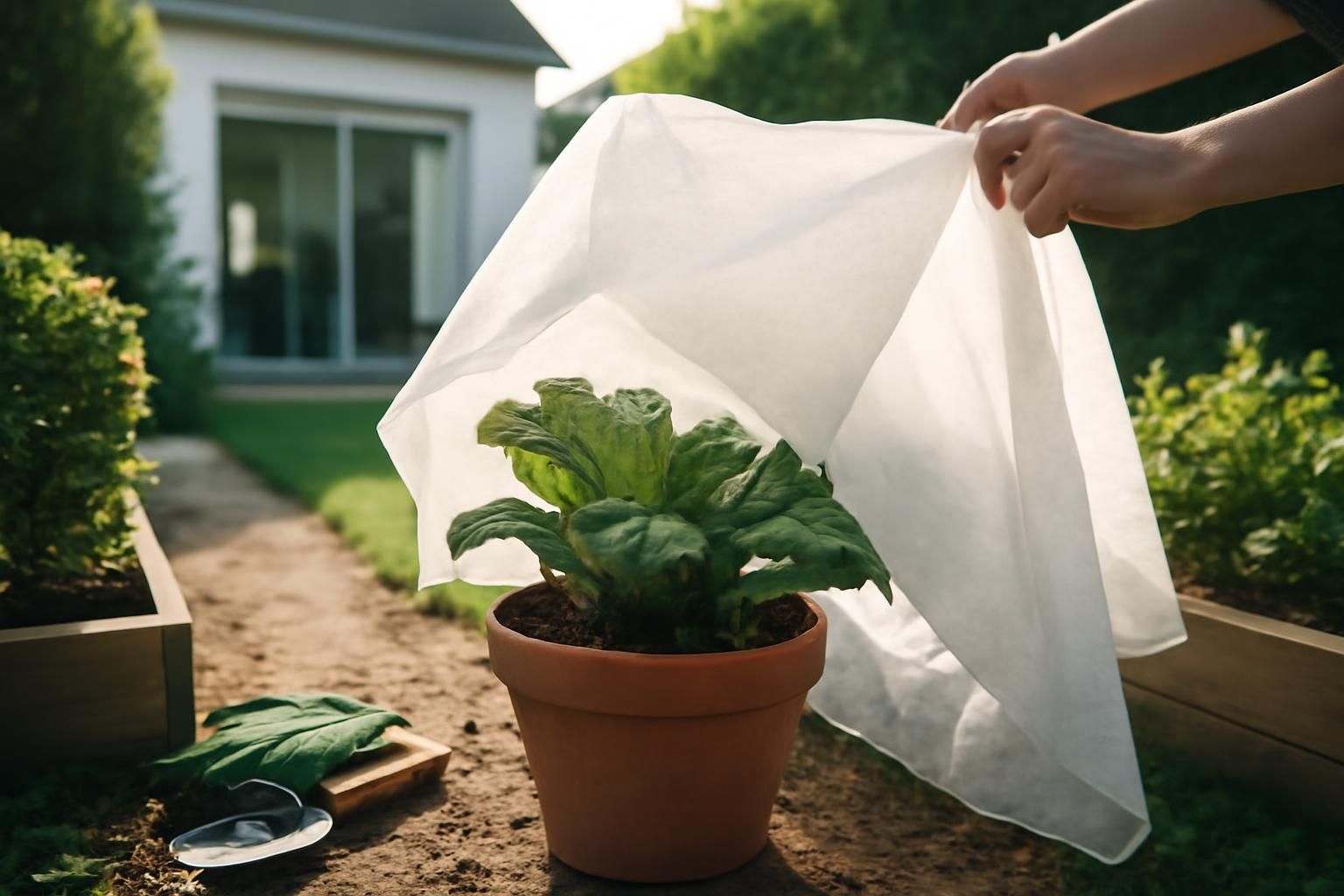
Drape horticultural fleece over the plants before dusk. Peg the edges to the ground so wind cannot lift it. Fleece traps warm air while allowing moisture to escape.
- 3
Use cloches for individual plants
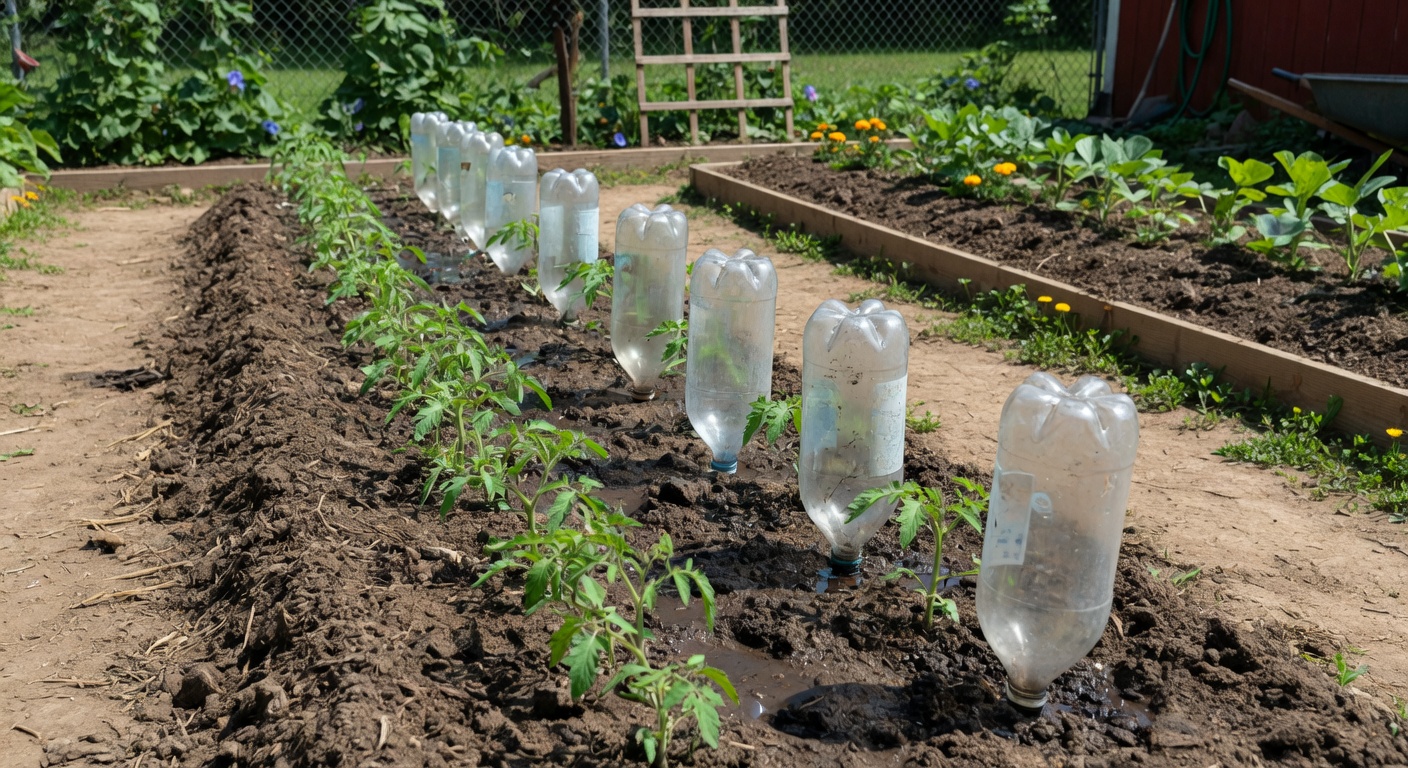
Place a purpose-made cloche or a cut plastic bottle over single plants. Leave the top open slightly if possible, or remove it during the day to prevent overheating.
- 4
Move pots to shelter and insulate
Shift tender pots to a frost-free greenhouse, porch, or a sheltered wall. Wrap terracotta pots in bubble wrap to stop them cracking when wet soil expands in freezing temperatures.
- 5
Water before the frost arrives
Give the soil a light watering the day before a forecast cold snap. Moist soil holds more heat than dry soil and protects roots from freezing.
- 6
Keep protection in place until frost risk passes
Do not remove covers during a mild spell in February or March. Late frosts are common and can kill tender growth that has been exposed too soon.
Plastic sheeting placed directly on foliage traps moisture and causes grey mould (botrytis). Always use horticultural fleece or create a frame so the cover does not touch the leaves. Do not remove protection during a mild February or March spell — late frosts are common and can kill newly exposed tender growth.
Common mistakes
- Using plastic sheeting directly on foliage — traps moisture and causes mould.
- Removing protection too early — late frosts in February or March often kill tender plants.
- Forgetting to water before a frost — dry rootballs suffer more damage than moist ones.
Frequently asked
At what temperature should I start protecting my plants from frost?
Start when temperatures are forecast to drop below 2 °C overnight. Tender plants need cover before the frost hits, not after.
Can I use newspaper or cardboard instead of horticultural fleece?
Newspaper and cardboard work in a pinch for a single night but become sodden and heavy. Fleece is reusable, breathable, and more reliable.
How do I protect plants in pots that are too heavy to move indoors?
Wrap the pot in bubble wrap to prevent cracking, group pots together against a sheltered wall, and drape fleece over the plant and pot.