Quick answer
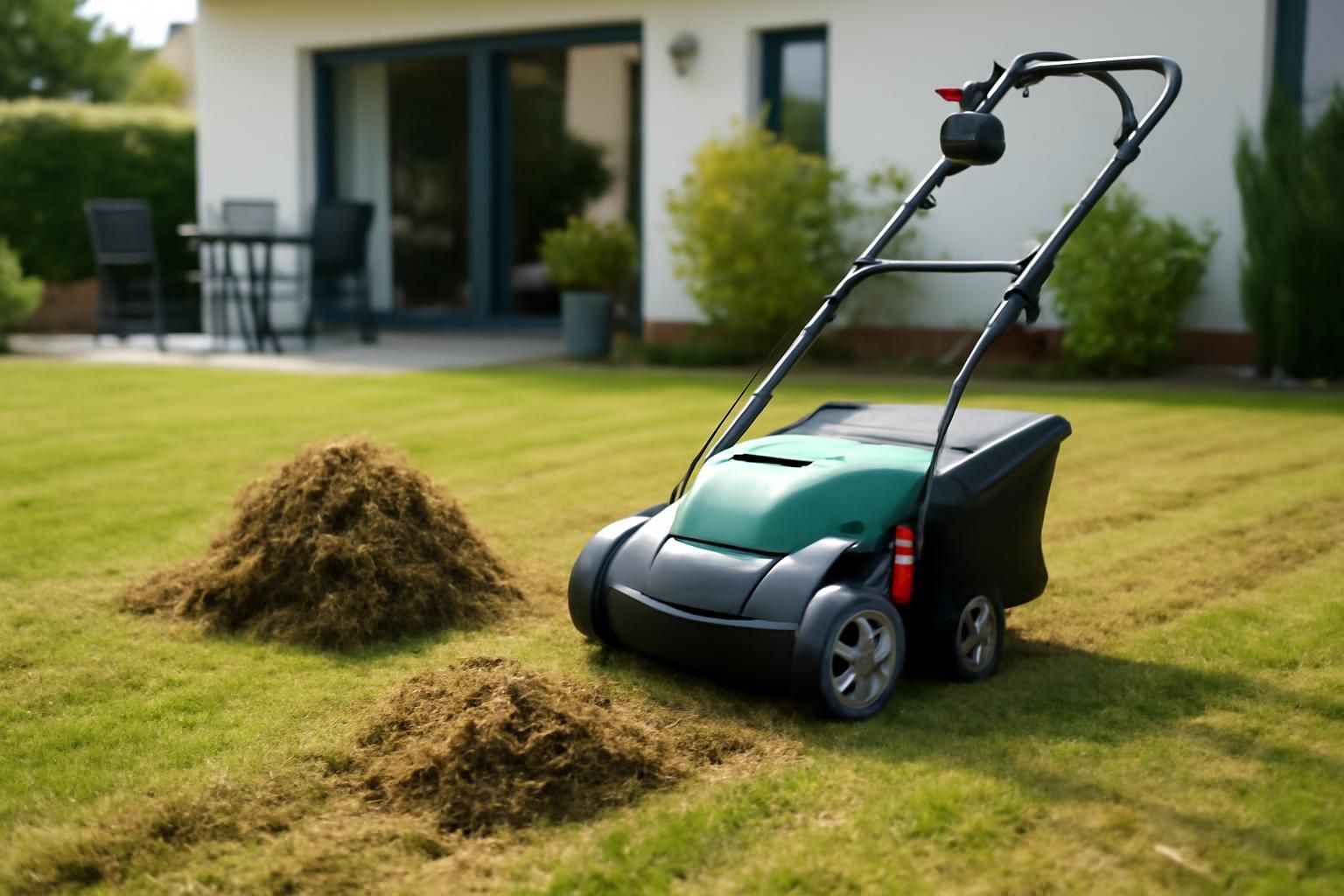
Cut the grass short, then drag a scarifier or spring-tine rake across the lawn to pull up moss and dead grass. Collect the debris, aerate with a fork, and spread seed and topsoil over bare patches. Water well.
Moss and thatch block light, air and water from reaching grass roots. Scarifying cuts through the layer of dead material and opens up the soil surface. It looks rough at first, but the lawn recovers thicker and greener within a few weeks.
What you’ll need
- lawn scarifier or spring-tine rake
- mower
- garden fork
- grass seed
- top soil or compost
- broom or lawn rake
Step by step
- 1
Mow the lawn on a low setting
Cut the grass shorter than usual so the scarifier or rake can reach the soil surface easily.
- 2
Scarify in two directions
Push the scarifier or rake across the lawn in parallel passes, then repeat at a right angle. This lifts the maximum amount of moss and thatch.
- 3
Rake up the debris
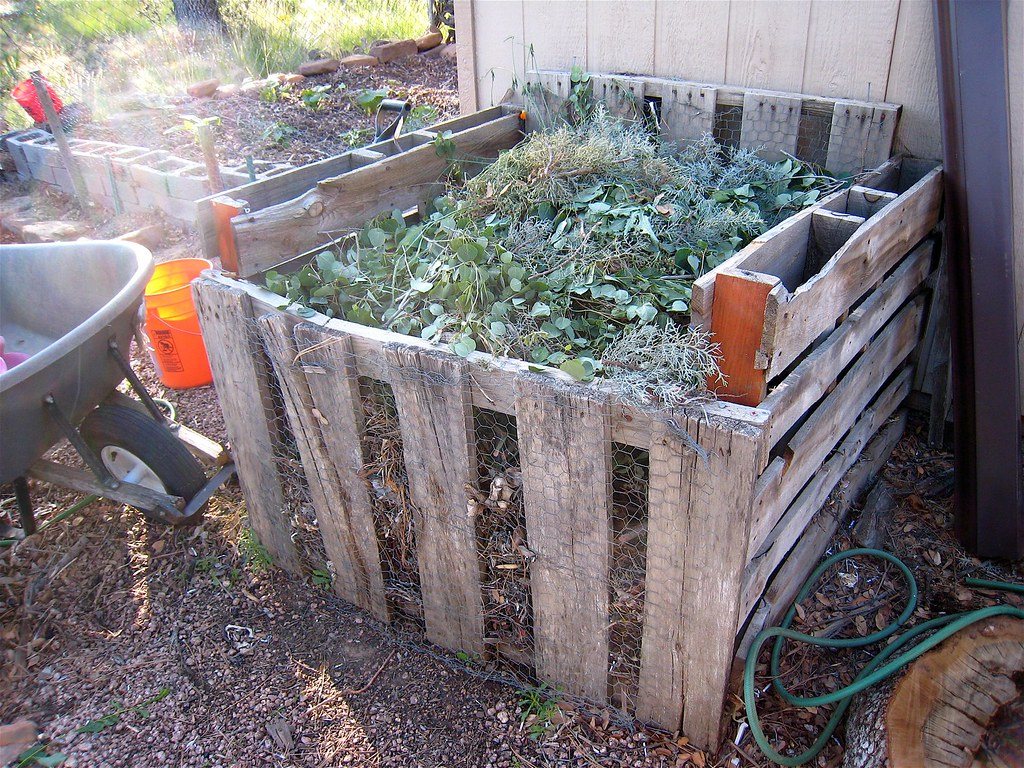
Use a lawn rake or broom to gather the loose material into piles. Add it to your compost heap or green waste bin.
- 4
Aerate compacted areas
Push a garden fork into heavy-traffic spots to a depth of about 10 cm. Wiggle it slightly to create holes for air and water.
- 5
Spread seed and topsoil on bare patches
Sprinkle grass seed evenly, then cover with a thin layer of topsoil or compost. Press it down gently with the back of the rake.
- 6
Water thoroughly
Soak the lawn until the top few centimetres of soil are damp. Keep the soil moist for the next two weeks.
Scarifying is hard physical work. Take breaks and keep your back straight. Wear gloves to avoid blisters from the rake handle.
Common mistakes
- Scarifying in dry summer heat or frosty winter weather, when grass is stressed or dormant.
- Setting the scarifier blades too deep and tearing up healthy grass roots.
- Leaving moss and thatch on the lawn to smother new growth.
- Forgetting to water after reseeding, which lets seedlings dry out and die.
Frequently asked
How often should I scarify my lawn?
Once a year, in spring or early autumn when grass is growing actively.
Will my lawn look bad afterwards?
Yes, temporarily. It usually recovers within three to four weeks if you water and reseed bare patches.
Can I scarify by hand?
Yes, a spring-tine rake works for small lawns. For large areas, hire a powered scarifier.