Quick answer
Blot the area immediately with kitchen roll. Spray a fifty-fifty mix of white vinegar and warm water onto the spot. Blot again. Sprinkle bicarbonate of soda over the damp area, let it dry, then vacuum. Use an enzymatic cleaner for old or deep stains.
Pet urine soaks into carpet fibres and padding fast. Acting quickly prevents the stain from setting and stops lingering smells that encourage your pet to return to the same spot.
What you’ll need
- kitchen roll
- white vinegar
- warm water
- bicarbonate of soda
- enzymatic cleaner (optional)
- soft brush
- vacuum
Step by step
- 1
Blot the urine immediately
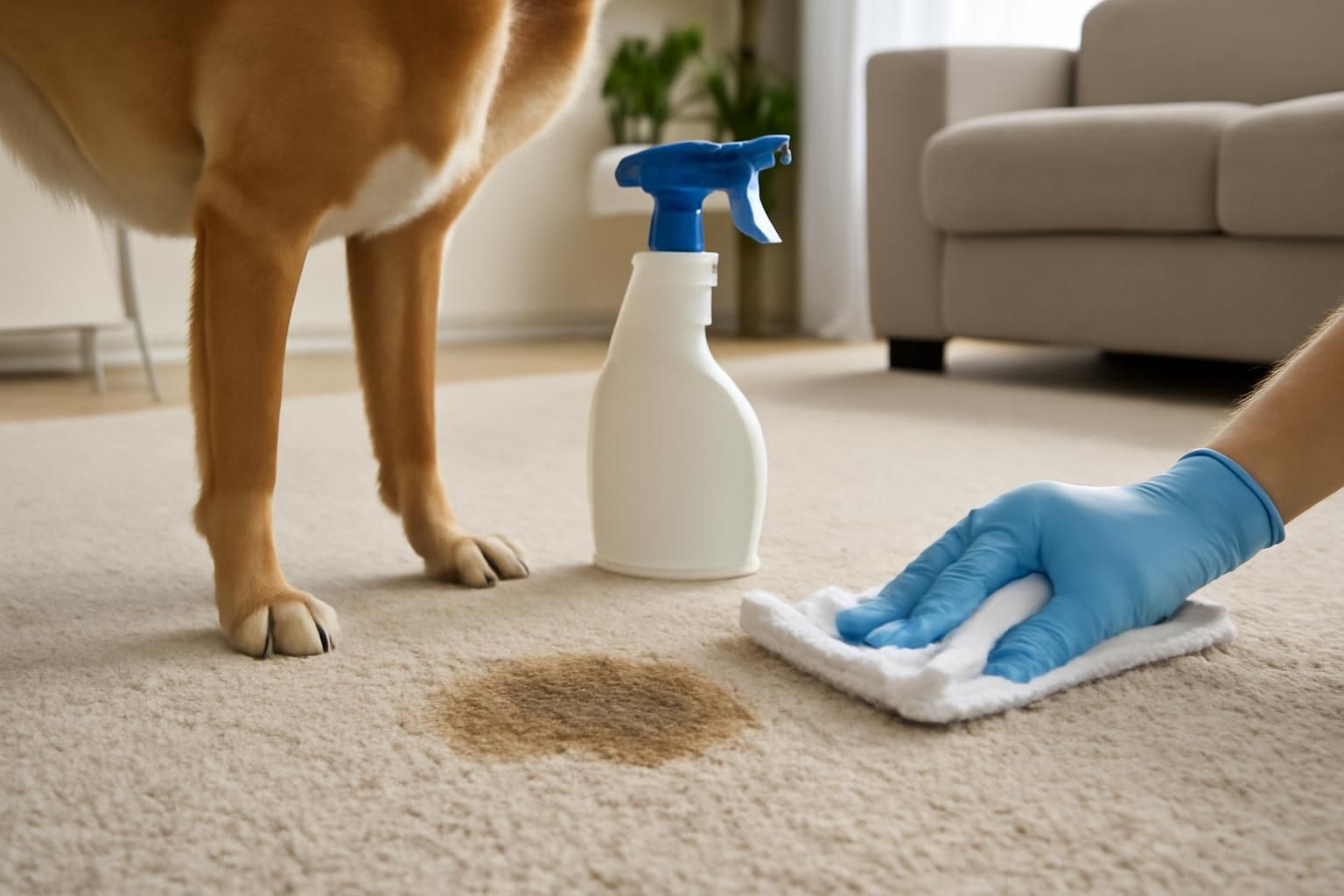
Place a thick layer of kitchen roll over the wet spot. Stand on it to draw out as much liquid as possible. Do not rub, as this pushes urine deeper into the fibres. Replace the paper as it saturates.
- 2
Apply a vinegar solution
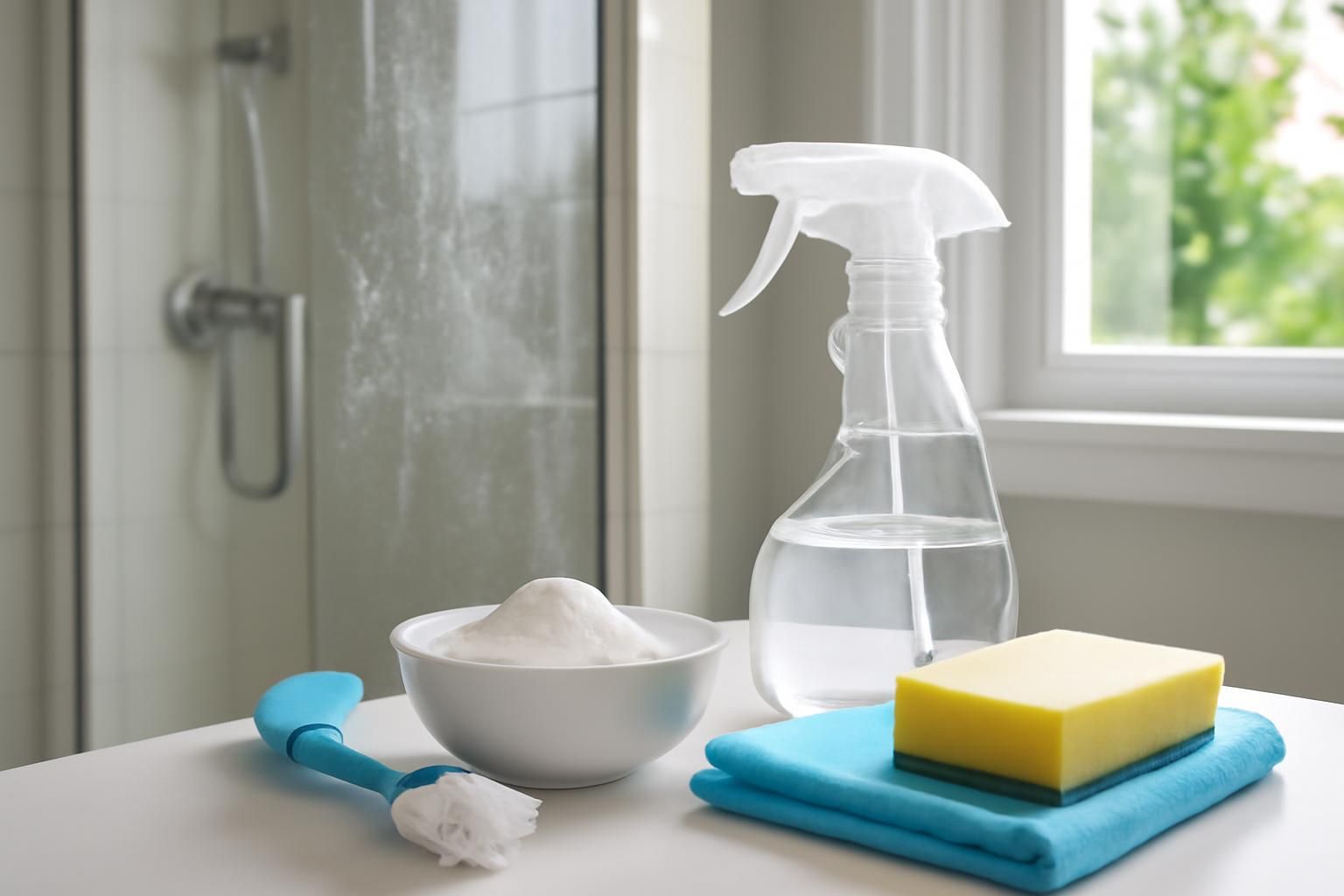
Mix equal parts white vinegar and warm water in a spray bottle. Lightly mist the stained area until damp, not soaked. The vinegar neutralises ammonia in the urine.
- 3
Blot again
Press clean kitchen roll or a dry cloth into the treated area. Repeat until little moisture transfers to the cloth. This lifts the diluted urine out of the carpet.
- 4
Sprinkle bicarbonate of soda
Cover the damp spot with a generous layer of bicarbonate of soda. Work it gently into the fibres with a soft brush. Let it dry completely, usually a few hours or overnight.
- 5
Vacuum the residue
Once the soda is fully dry and crusty, vacuum it up thoroughly. Check for any remaining smell. If odour persists, move to the next step.
- 6
Use an enzymatic cleaner for old stains
For dried or repeat stains, apply an enzymatic cleaner following the product instructions. These products digest the organic matter that causes odours. Keep pets away until the carpet is fully dry.
Keep pets and children away from the treated area until it is completely dry. Enzymatic cleaners and vinegar are mild, but wet carpets can become slippery and damp conditions may irritate sensitive skin. Keep pets off the treated area until it is completely dry — some enzymatic cleaners can irritate cats if licked before drying.
Common mistakes
- Scrubbing the stain instead of blotting
- Using hot water, which can set the stain
- Applying too much liquid and soaking the underlay
- Ignoring the smell, which invites repeat accidents
Frequently asked
Can I use a steam cleaner on pet urine?
No. Heat sets protein stains and can bond the odour to the fibres permanently.
What if the urine has already dried?
Re-wet the area with the vinegar solution first. This reactivates the stain so you can blot it out before adding bicarbonate of soda.