Quick answer
Turn off the water, lift the cistern lid, then adjust the float or replace a worn flapper to stop the flow.
Fix a constantly running toilet to save water and reduce your bill.
What you’ll need
- Tool: adjustable spanner
- Tool: screwdriver
- Tool: torch
- Tool: towel
Materials
- Material: replacement flapper or diaphragm washer (if needed)
- Material: cleaning cloth
- Material: food colouring (optional, for leak test)
Step by step
- 1
Diagnose the problem
Listen and look. Water trickling into the bowl usually means a failed flush valve or flapper seal. Water overflowing into the overflow pipe means the fill valve or float is set too high and not shutting off.
- 2
Turn off the water
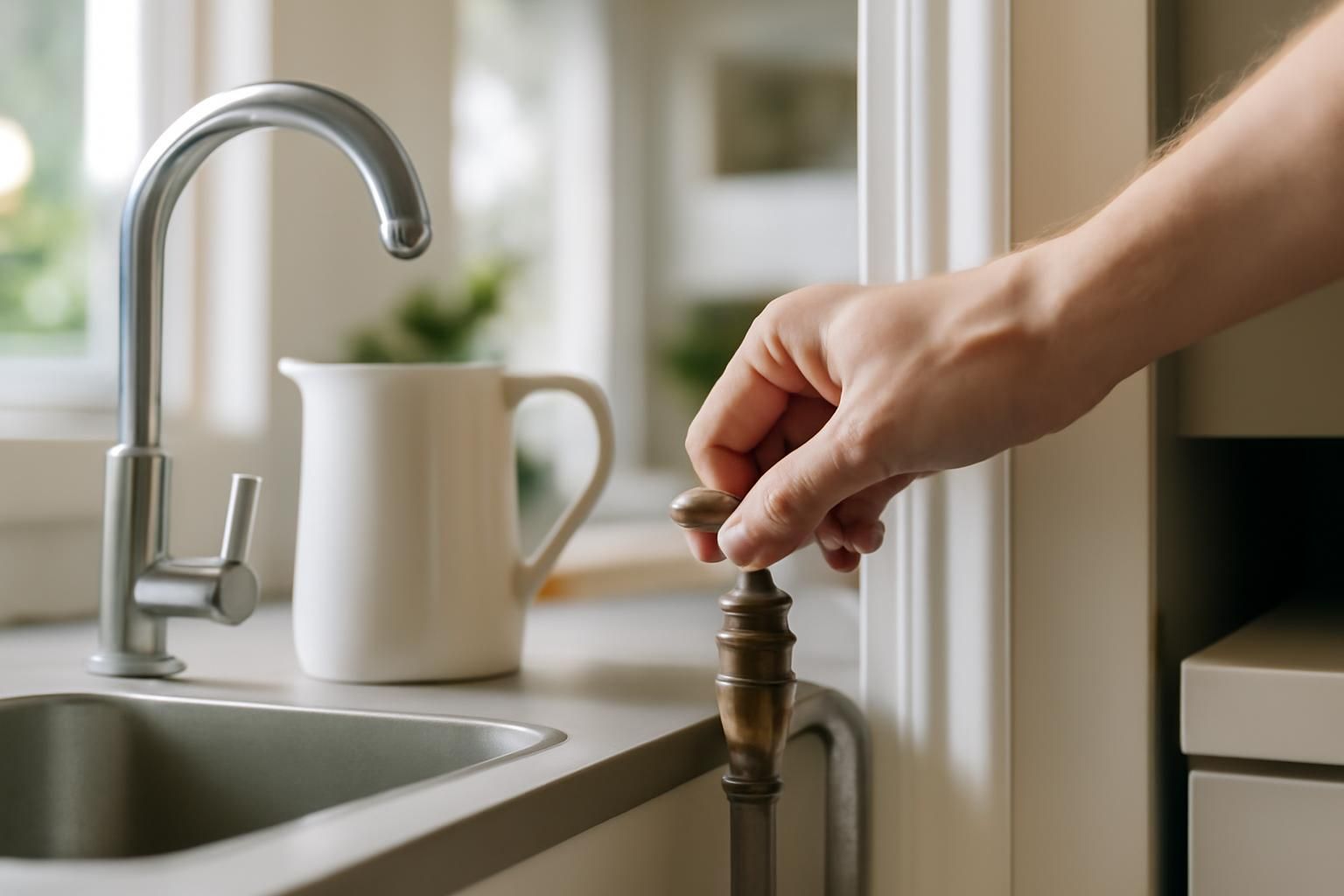
Close the toilet's isolation valve, usually a small tap on the pipe behind or beside the cistern. If there is no isolation valve, turn off the main stopcock. Flush to empty most of the cistern.
- 3
Open the cistern carefully
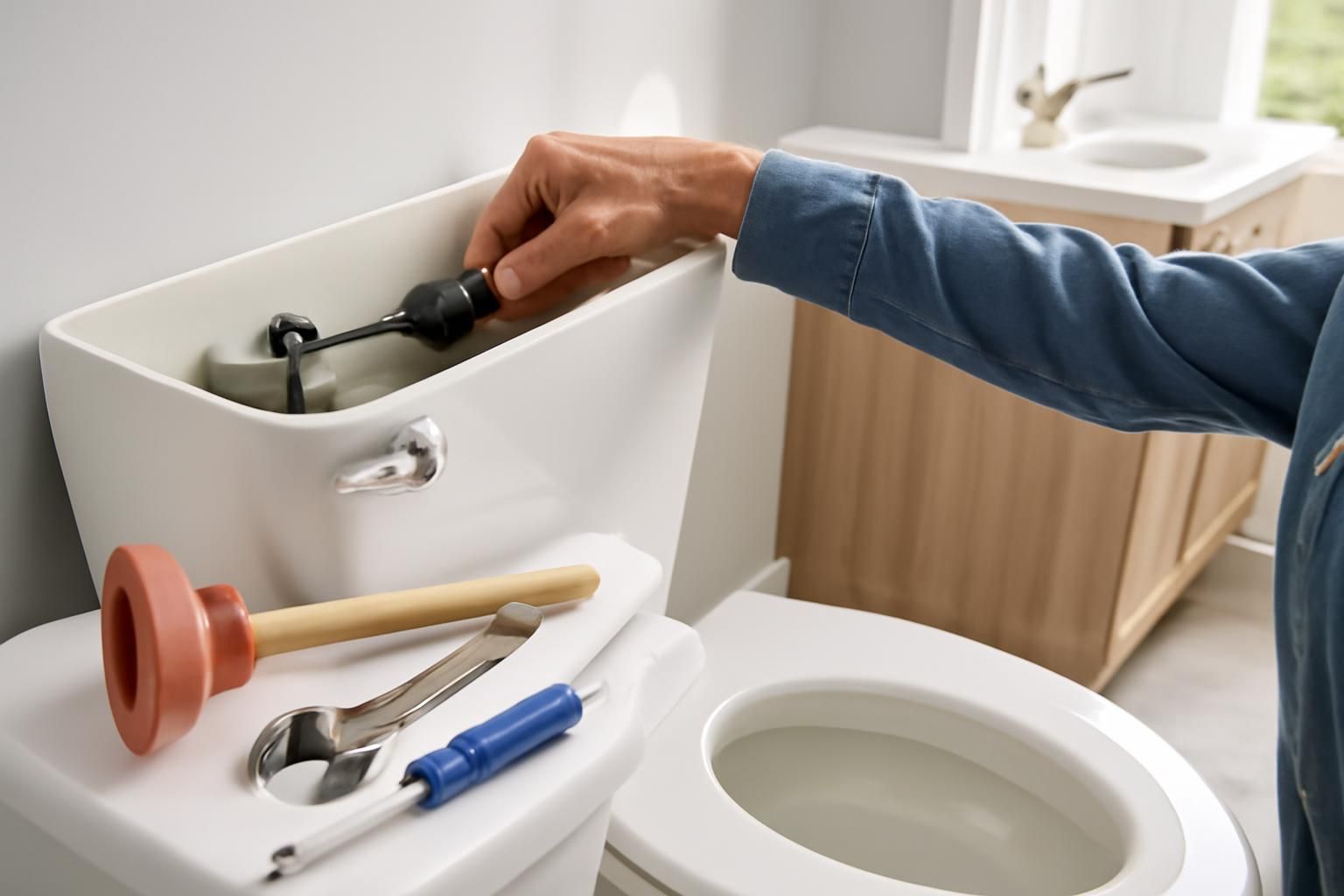
Lift the heavy ceramic lid slowly and place it on a towel on the floor. A cracked lid is expensive to replace and can trap fingers. Shine a torch inside to identify the fill valve, float, flapper and overflow pipe.
- 4
Check and adjust the float
Bend the float arm gently down, or turn the adjustment screw, so the water shuts off about 2 cm below the top of the overflow pipe. If the float is waterlogged or cracked, replace it.
- 5
Inspect and clean or replace the flapper
Check the rubber flapper or diaphragm washer for warping, cracks or mineral build-up. Clean the seat with a cloth. If the rubber is perished, unhook the old flapper and fit a matching replacement from a hardware shop.
- 6
Check the overflow pipe
Make sure the overflow pipe is clear of debris and not cracked. If water is entering it, the float is still too high or the fill valve is failing to seal.
- 7
Test the flush
Turn the water back on and let the cistern fill. Flush once and watch the refill. The water should stop below the overflow and no trickle should enter the bowl. If it still runs, the fill valve may need replacing.
Water and electricity do not mix. If the cistern has an electric flush or any nearby socket is wet, turn off the power at the consumer unit before you start. Do not force seized plastic fittings; they snap easily and can cause sudden flooding. Place a towel on the floor to catch drips. Call a professional plumber if you cannot isolate the water, if the leak is behind a wall, or if the toilet is connected to a pressurised system you are not confident working on.
Common mistakes
- Not turning off the water before working inside the cistern, which risks flooding if a part detaches.
- Adjusting the float without checking the worn flapper seal that is actually leaking water into the bowl.
- Overtightening plastic cistern fittings, which cracks them and causes a new leak.
Frequently asked
Why is my toilet running constantly?
The most common causes are a worn flapper or diaphragm washer that lets water leak from the cistern into the bowl, or a fill valve and float that do not shut off and let water overflow into the pipe.
Can I fix a running toilet without turning off the water?
You can inspect the cistern with the water on, but you should always turn off the isolation valve or main stopcock before adjusting or replacing parts. This prevents flooding if a clip or fitting fails while you are working.
How do I know if I need a new flapper or just an adjustment?
If the flapper is warped, cracked, covered in mineral deposits or no longer sits flat on the valve seat, it needs replacing. If the flapper looks sound but water keeps rising, try adjusting the float first.
Is food colouring safe to use for a leak test?
Yes. A few drops of standard food colouring in the cistern will tint the water. Wait ten minutes without flushing. If the bowl water changes colour, the flapper seal is leaking.
How much water does a running toilet waste?
A constantly running toilet can waste hundreds of litres per day, adding significantly to your water bill. Fixing it quickly pays for itself.
When should I call a plumber instead of fixing it myself?
Call a professional if you cannot isolate the water supply, if the leak is coming from pipework inside a wall or floor, if the cistern is part of a pressurised system, or if you have replaced the flapper and float and the toilet still runs.