Quick answer
Reduce moisture from cooking, drying laundry, and showers; ventilate with extractor fans and trickle vents; keep rooms warm; and wipe standing water from frames daily.
Stop windows streaming with condensation by cutting indoor moisture sources, improving ventilation, and keeping rooms consistently warm — preventing black mould and damp damage.
What you’ll need
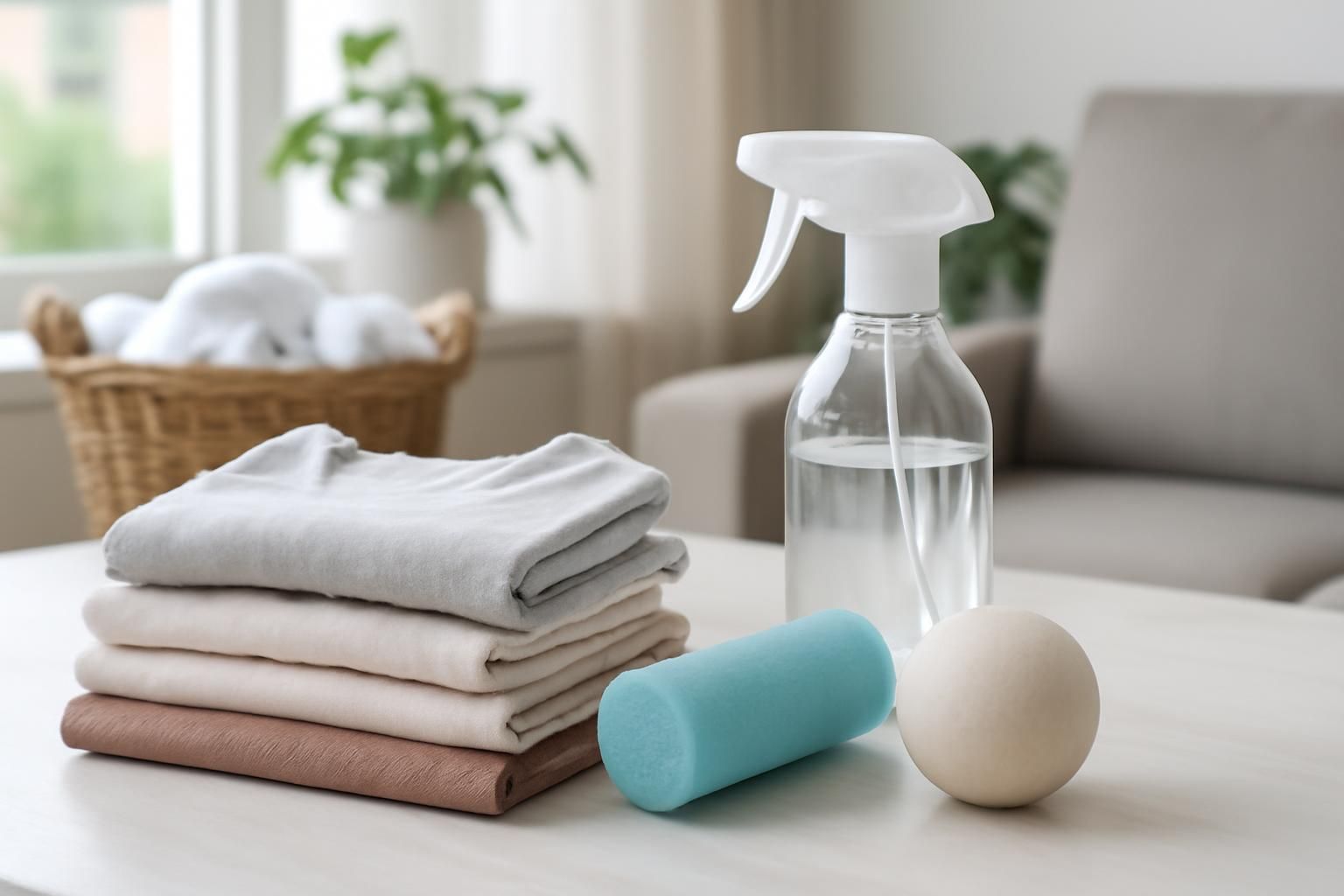
- Tool: Microfibre cloths
- Tool: Window vacuum or squeegee (optional)
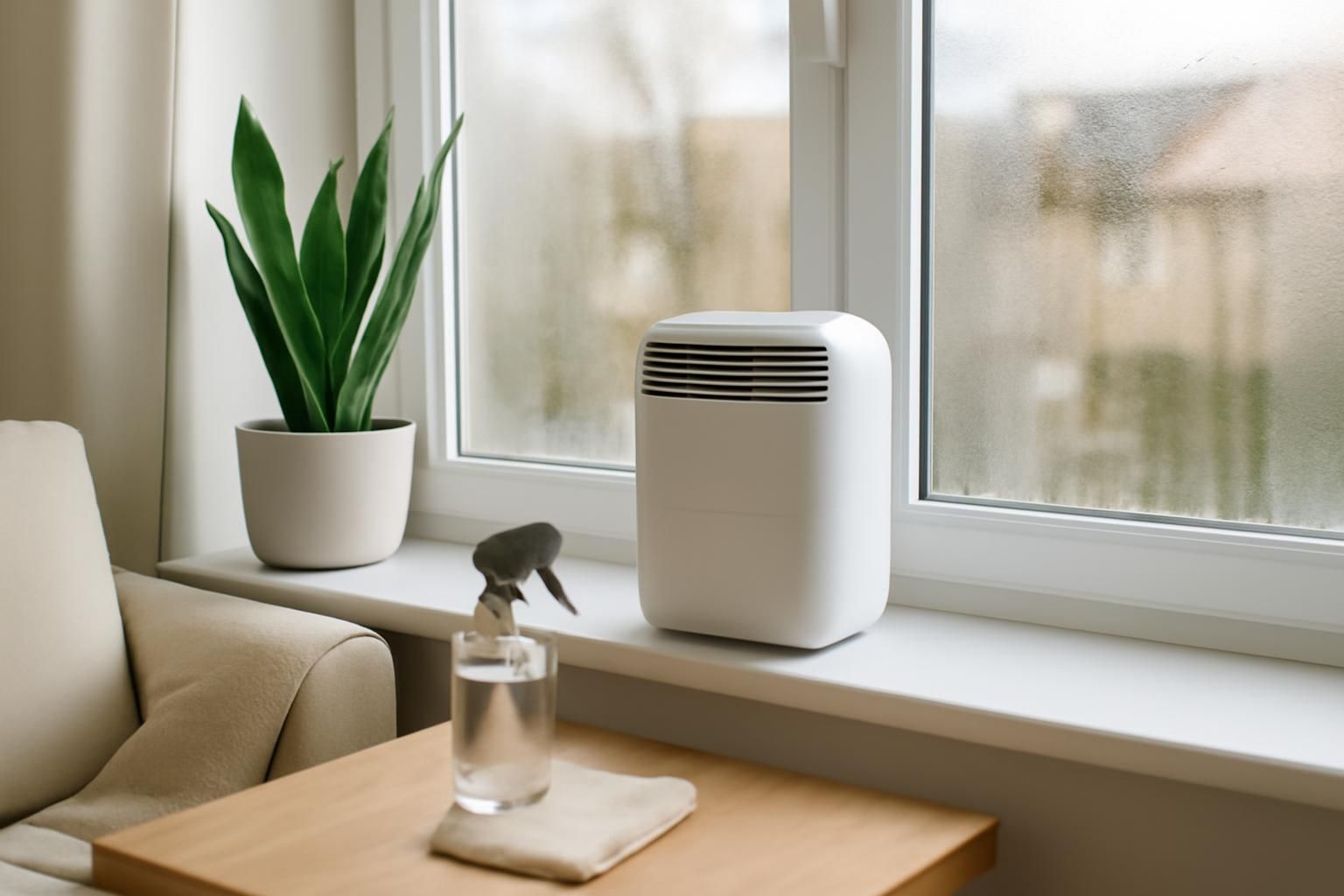
- Material: Moisture absorbers or small dehumidifier
Materials
- Material: Pan lids
- Material: Timer for extractor fan (optional)
Step by step
- 1
Cut indoor moisture at the source
Dry laundry outdoors or in a ventilated room with a window open. Always put lids on pans when cooking. Keep bathroom doors closed during showers and run the extractor fan. Even breathing and houseplants add moisture, so control the biggest sources first.
- 2
Use extractor fans and trickle vents
Turn the kitchen extractor on before you start cooking and leave it running for ten minutes after. Keep bathroom extractors on during and after showers. Open trickle vents on windows year-round; they are designed to let damp air escape without major heat loss.
- 3
Purge air with brief window opening
Open a window fully for five to ten minutes after showering or cooking. This rapid exchange removes humid air before it condenses on cold glass. It is more effective than leaving a window cracked all day in winter.
- 4
Keep rooms gently and consistently warm
Maintain a low background temperature, even in unused rooms, so window surfaces stay above the dew point. Avoid letting rooms drop to very low temperatures overnight and then heating them rapidly in the morning. Steady warmth reduces the temperature gap that causes condensation.
- 5
Improve air movement near windows
Move furniture and heavy curtains a few centimetres away from external walls and window reveals. This lets warm room air circulate across the glass, keeping the surface temperature higher and reducing the cold spots where condensation forms.
- 6
Wipe up standing water promptly
Use a microfibre cloth or window vacuum to remove condensation from glass and frames each morning. Standing water soaks into wooden frames and painted walls, creating the damp patches that feed black mould on sealant and plaster.
- 7
Consider a dehumidifier in stubborn rooms
In bedrooms or north-facing rooms where condensation is persistent, a small dehumidifier or moisture-absorbing tubs can help. Ventilation is usually more effective than gadgets, but a dehumidifier provides extra capacity in very damp weather. Empty or recharge it regularly.
Condensation between the panes of sealed double glazing means the unit has failed and must be replaced — you cannot fix it from inside. Persistent condensation that has already caused spreading black mould is a health concern; address the moisture source and, if mould keeps returning over a large area, get the cause checked by a professional.
Common mistakes
- Drying washing on radiators in a closed room, which dumps litres of moisture into the air.
- Blocking trickle vents or never using the bathroom and kitchen extractors.
- Turning heating fully off in unused rooms so surfaces stay cold and condensation forms.
Frequently asked
Why is condensation worse in the bedroom in the morning?
Breathing releases moisture all night. In a small, closed bedroom with cold external walls, the air becomes humid and the glass is cold, so water condenses heavily by morning. Keeping the door ajar or using a small dehumidifier helps.
Does a dehumidifier really help with window condensation?
Yes, in a single room it can remove enough moisture to reduce or stop condensation. It is most useful where ventilation is poor. Empty the tank regularly and clean the filter so it runs efficiently.
Is window condensation a sign of damp or a faulty window?
Surface condensation on the inside is usually caused by high indoor humidity and cold glass. It is not a faulty window. However, condensation between the panes of double glazing indicates a failed sealed unit that needs replacing.
Why is there condensation between the panes of my double glazing?
The seal around the edge of the double-glazed unit has failed, letting moist air enter the cavity. The unit is no longer insulating properly and must be replaced. You cannot dry the gap from inside or outside.
Will opening windows in winter just waste heat?
Brief, vigorous opening for five to ten minutes exchanges humid air without cooling the walls and furniture significantly. It wastes less heat than leaving a window ajar all day.