Quick answer
Seal all gaps around pipes and airbricks with steel wool and wire mesh, store food in airtight containers, remove clutter, and monitor for signs. Peppermint oil alone is not reliable.
Keep mice out by sealing entry points as small as a pencil width, removing food sources, and decluttering. Understand what deterrents actually work and when to call a professional.
What you’ll need
- Tool: Torch or phone light
- Tool: Caulking gun
- Tool: Wire cutters
- Tool: Heavy-duty gloves and mask
Materials
- Material: Steel wool or wire mesh
- Material: Silicone sealant or expanding foam backed with mesh
- Material: Airtight food containers
- Material: Disinfectant spray
Step by step
- 1
Confirm you have mice and find their routes
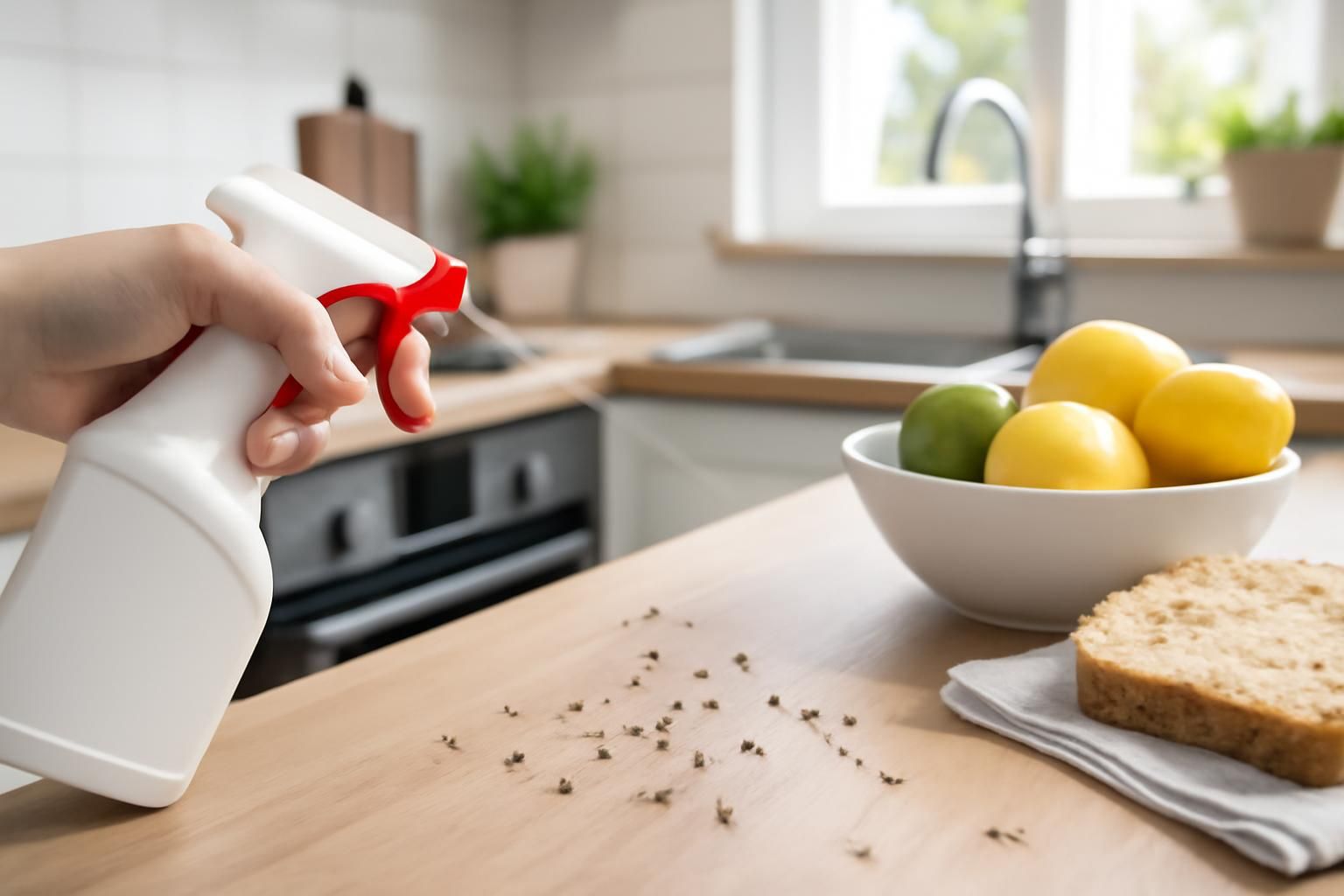
Look for small dark droppings, gnaw marks on wood or plastic, shredded paper or fabric, and a faint ammonia smell. Check along skirting boards, under kitchen units, behind appliances, and near pipe entries. Note where you see the most activity so you can target sealing and monitoring there.
- 2
Seal entry points with steel wool and mesh
Mice squeeze through gaps as small as six millimetres. Stuff steel wool into holes around pipes, then cover with wire mesh and sealant. Block gaps under door thresholds with brush strips. Never use expanding foam alone; mice chew through it in days.
- 3
Remove food sources completely
Transfer dry goods, pet food, and bird seed into metal or thick plastic airtight containers. Clean up crumbs and spills every evening. Secure bin lids and do not leave pet bowls out overnight. If mice find no food, they are far less likely to stay or return.
- 4
Declutter harbourage inside and out
Remove piles of cardboard, fabric, and newspapers where mice nest. Keep firewood and compost heaps away from external walls. Trim vegetation back from the house so mice cannot use branches or dense shrubs as cover while they look for gaps.
- 5
Use scent deterrents as a minor add-on only
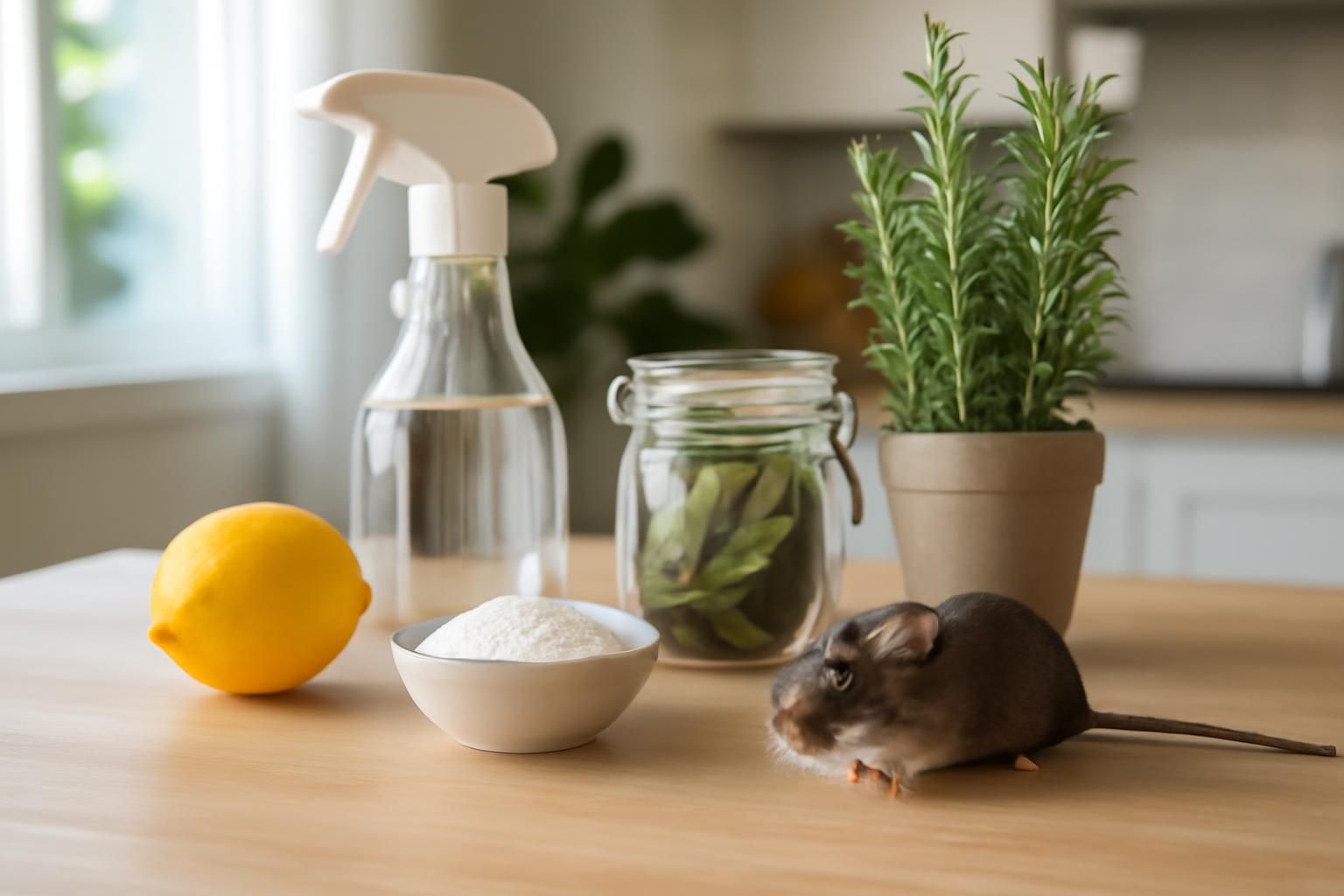
Place cotton balls soaked in peppermint oil near suspected entry points if you wish, but treat this as a weak, short-lived extra. Ultrasonic plug-ins have mixed and often disappointing results. These methods do not replace sealing gaps and removing food.
- 6
Monitor with simple traps or signs
Set a few humane or snap traps along walls where you found droppings, baited with chocolate or peanut butter. Check them daily. If you catch nothing for two weeks and see no new droppings, the exclusion is probably working. If activity continues, you have missed an entry point.
- 7
Know when to escalate to a professional
A persistent infestation, droppings in multiple rooms, or gnaw marks on electrical cables are signs the problem is beyond DIY exclusion. A pest control professional can find hidden entry routes and use targeted traps safely. Do not delay if wiring is at risk.
Mouse droppings and urine can carry disease — wear gloves and a mask, never sweep or vacuum dry droppings (it spreads particles); dampen with disinfectant first, then bag and bin. Keep any deterrents and, if used, traps away from children and pets; do not use poison baits where pets or wildlife could reach them. A large or persistent infestation, or signs of gnawed electrical cables, needs a pest professional.
Common mistakes
- Relying on peppermint oil or ultrasonic plug-ins alone.
- Sealing gaps with expanding foam only, which mice chew through easily.
- Leaving pet food, bird seed, or bin waste accessible overnight.
Frequently asked
Does peppermint oil actually keep mice away?
It may briefly repel mice in a small area, but the effect is weak and short-lived. Mice soon ignore it if food and shelter are available. Use it only as a minor add-on after sealing entry points.
Do ultrasonic mouse repellers work?
Scientific evidence for ultrasonic repellers is mixed at best. Many households see no reduction in mouse activity. They are not a reliable substitute for physical exclusion and hygiene.
How small a gap can a mouse get through?
A mouse can squeeze through a gap roughly six millimetres wide — about the diameter of a pencil. This is why even tiny cracks around pipes and cables must be sealed.
What's the most humane way to deal with mice already inside?
Live-capture traps allow you to release the mouse outdoors, though you must check them frequently to avoid distress. Well-set snap traps kill instantly and are widely considered humane when checked daily. Poison causes prolonged suffering and risks pets and wildlife.
How do I know if the mice are gone?
No new droppings, no fresh gnaw marks, and no sightings for at least two weeks are good signs. Continue monitoring for a month. If activity resumes, you have missed an entry point or food source.