Quick answer
Combine hand-picking, barriers, beer traps and natural predators; use ferric phosphate pellets sparingly if needed, and water in the morning.
Protect vegetable plants from slugs and snails with a layered approach of barriers, hand-picking, predators and safe pellets.
What you’ll need
- Tool: Torch for night picking
- Material: Copper tape or grit barrier
- Material: Beer traps
Materials
- Material: Ferric phosphate pellets
- Material: Nematodes (optional)
Step by step
- 1
Identify vulnerable plants and high-risk timing
Slugs target seedlings, leafy greens and young plants most. They are most active at night and after rain. Focus your efforts on the plants they prefer and during damp spring and autumn weather when damage is worst.
- 2
Hand-pick slugs at night and after rain
Go out after dark or following rainfall with a torch and pick slugs off your plants by hand. Drop them into a container of salty water or soapy water. This is one of the most effective immediate controls, especially when populations are high.
- 3
Set beer traps around the vegetable bed
Bury a shallow container level with the soil surface and fill it with cheap beer or a yeast-and-sugar solution. Slugs are attracted, fall in and drown. Check and empty traps every few days and refresh the bait after rain.
- 4
Create physical barriers around precious plants
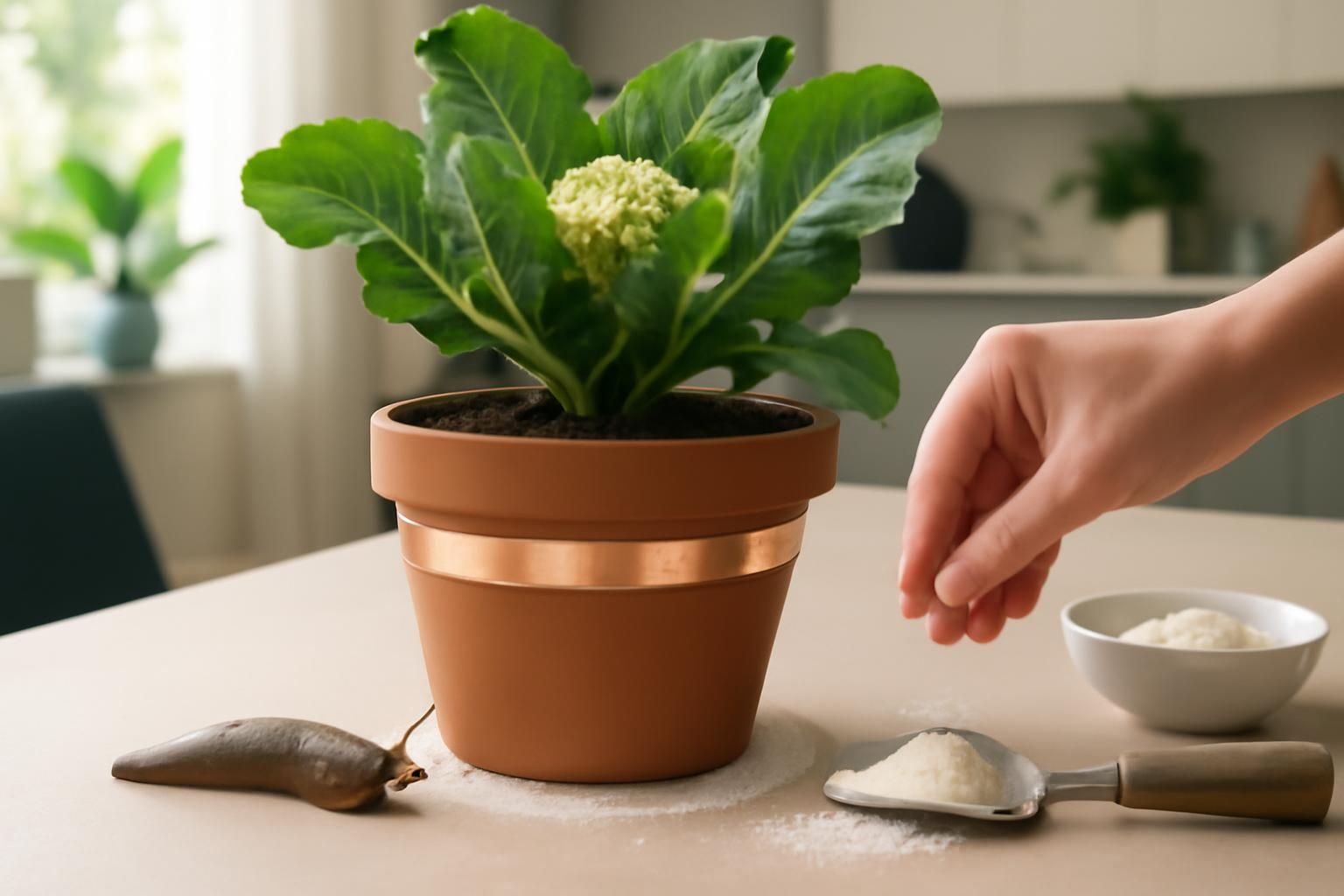
Surround vulnerable plants with copper tape, sharp grit, crushed eggshells or wool pellets. These irritate slugs' bodies and make them turn back. Barriers work best around individual plants or small beds rather than large areas, and need maintaining after rain or watering.
- 5
Remove daytime hiding places near your crops
Slugs hide under stones, logs, thick weeds, pots and debris during the day. Clear these shelters from around your vegetable beds to expose them to sun and predators. A tidy growing area naturally reduces slug numbers.
- 6
Encourage natural predators like birds and frogs
Attract birds with feeders and water, and create a small wildlife pond or damp corner for frogs and toads. Hedgehogs also eat slugs. A garden rich in predators keeps slug populations lower without constant intervention from you.
- 7
Use ferric phosphate pellets sparingly if needed
If other methods are not enough, scatter ferric phosphate pellets thinly around vulnerable plants according to the label. They are safer for pets, birds and hedgehogs than old metaldehyde pellets. Never pile pellets; a light scattering is enough. Water in the morning so the surface dries before nightfall.
Traditional metaldehyde slug pellets are banned for sale and use in the UK and are toxic to pets, hedgehogs and birds. Do not use any old stock; choose ferric phosphate pellets and still apply them thinly per the label, never in piles. Keep all pellets and beer traps away from pets and children. If you use nematodes or any treatment, follow the product instructions exactly.
Frequently asked
What actually works best against slugs?
Regular hand-picking at night is the most reliable immediate control. For ongoing protection, combine barriers around precious plants with beer traps and predator-friendly habitat. No single method works perfectly on its own.
Are slug pellets safe for pets, birds and hedgehogs?
Ferric phosphate pellets are much safer than the banned metaldehyde type, but you should still use them sparingly and keep them away from pets and children. Birds and hedgehogs are at lower risk, yet overuse can still harm wildlife. Always follow the label.
Do copper tape and eggshell barriers really work?
Copper tape can deter slugs because it gives a small electric reaction on contact, but it works best on pots and small containers. Crushed eggshells and grit help when kept dry and topped up, though very determined slugs may still cross them. Use them as part of a layered plan.
When are slugs most active?
Slugs feed mainly at night and after rain. They prefer damp, warm conditions, so spring and autumn are peak times. Dry, sunny days drive them into hiding.
How do I protect seedlings specifically?
Seedlings are the most vulnerable because slugs can destroy them in one night. Protect them with individual cloches, sharp grit rings, or keep them in raised beds or trays until they are larger and tougher. Check them every evening during damp weather.
Can I completely get rid of slugs in my garden?
No. The goal is to reduce damage to a manageable level, not total elimination. Slugs play a role in breaking down organic matter. Focus on protecting the plants you value most rather than trying to eradicate every slug.