Quick answer
Unpot the orchid, trim dead roots with sterilised scissors, repot in orchid bark, water by soaking and draining weekly, and place in bright indirect light.
Rescue a struggling orchid by diagnosing root health, trimming rot, repotting in bark and correcting watering.
What you’ll need
- Tool: Sterilised scissors or secateurs
- Tool: Orchid pot with drainage holes
Materials
- Material: Orchid bark mix
- Material: Rubbing alcohol or flame source for sterilising
Step by step
- 1
Check whether the orchid is actually dying
A leafless or flowerless orchid is often still alive if the roots or crown are green and firm. Look at the base: a firm, pale or green crown means there is hope. A mushy, brown crown usually means the plant cannot be saved.
- 2
Unpot and inspect the roots
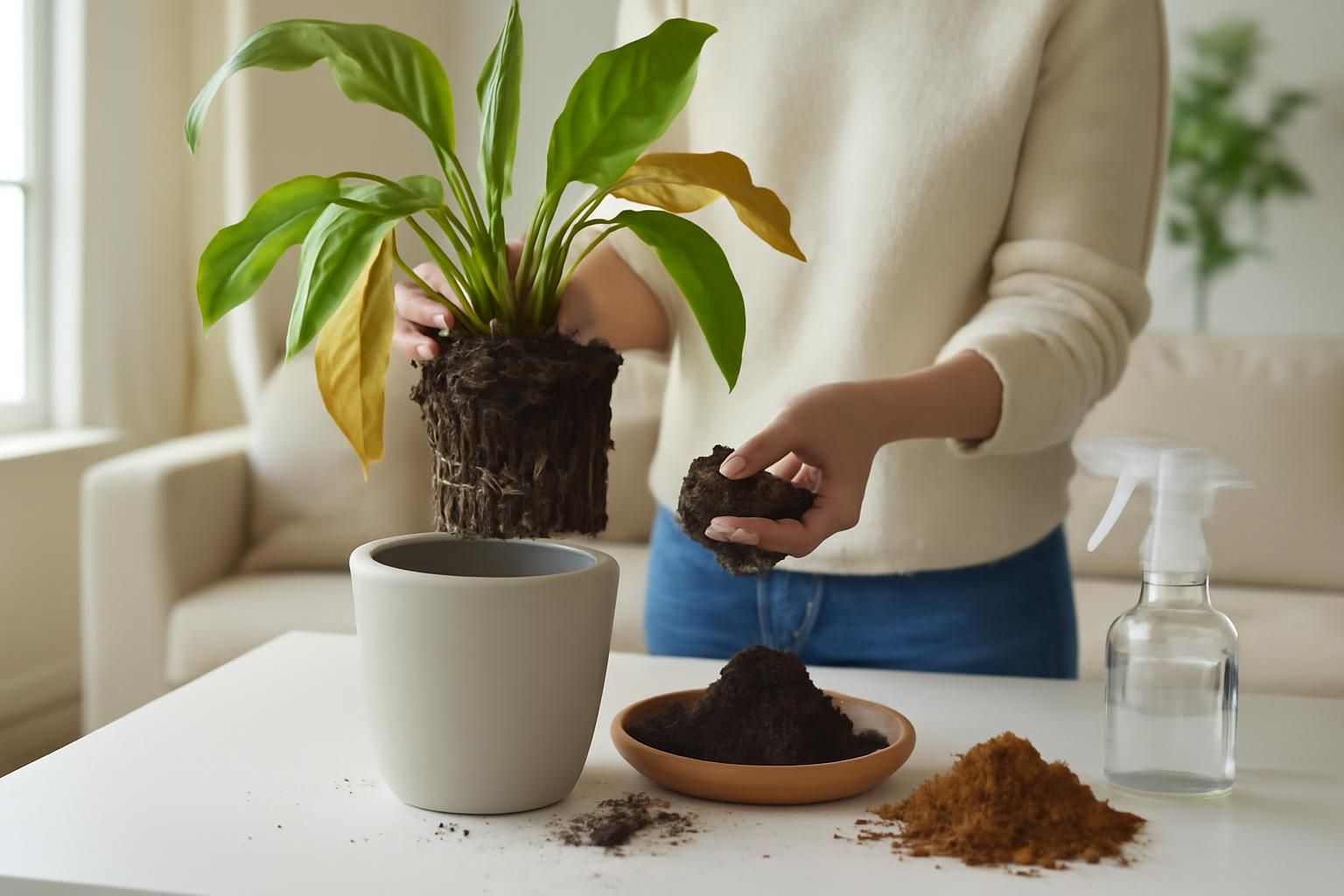
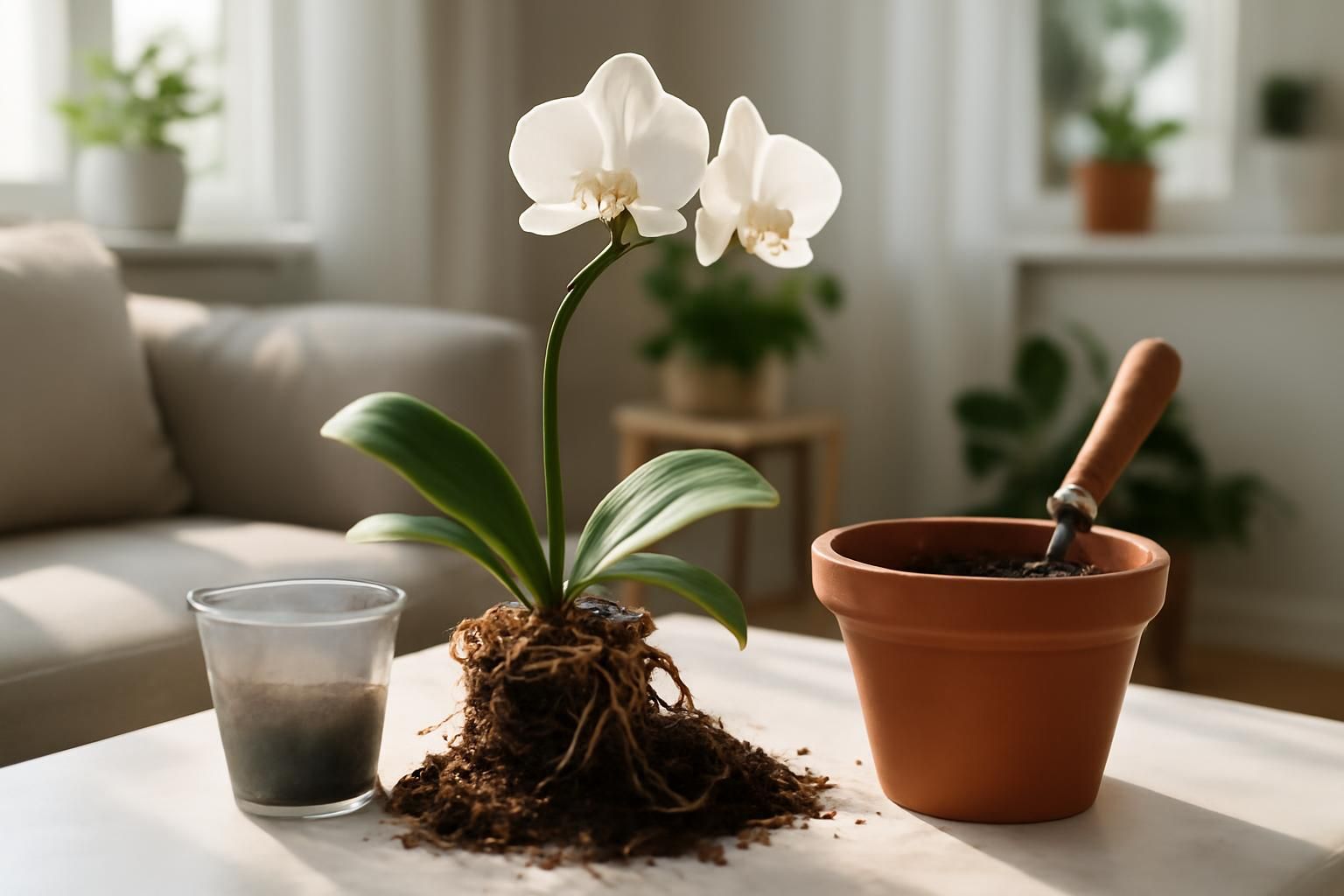
Gently remove the orchid from its pot and shake off the old compost or bark. Healthy roots are firm, plump and green or silvery. Dead or rotten roots are brown, black, mushy or hollow. This inspection tells you how much needs removing.
- 3
Trim dead or rotten roots with sterilised scissors
Wipe your scissors with rubbing alcohol or pass them through a flame and let them cool. Cut away all brown, mushy or hollow roots back to healthy tissue. Sterile tools prevent spreading bacterial or fungal infection to the weakened plant.
- 4
Repot in fresh orchid bark, never houseplant compost
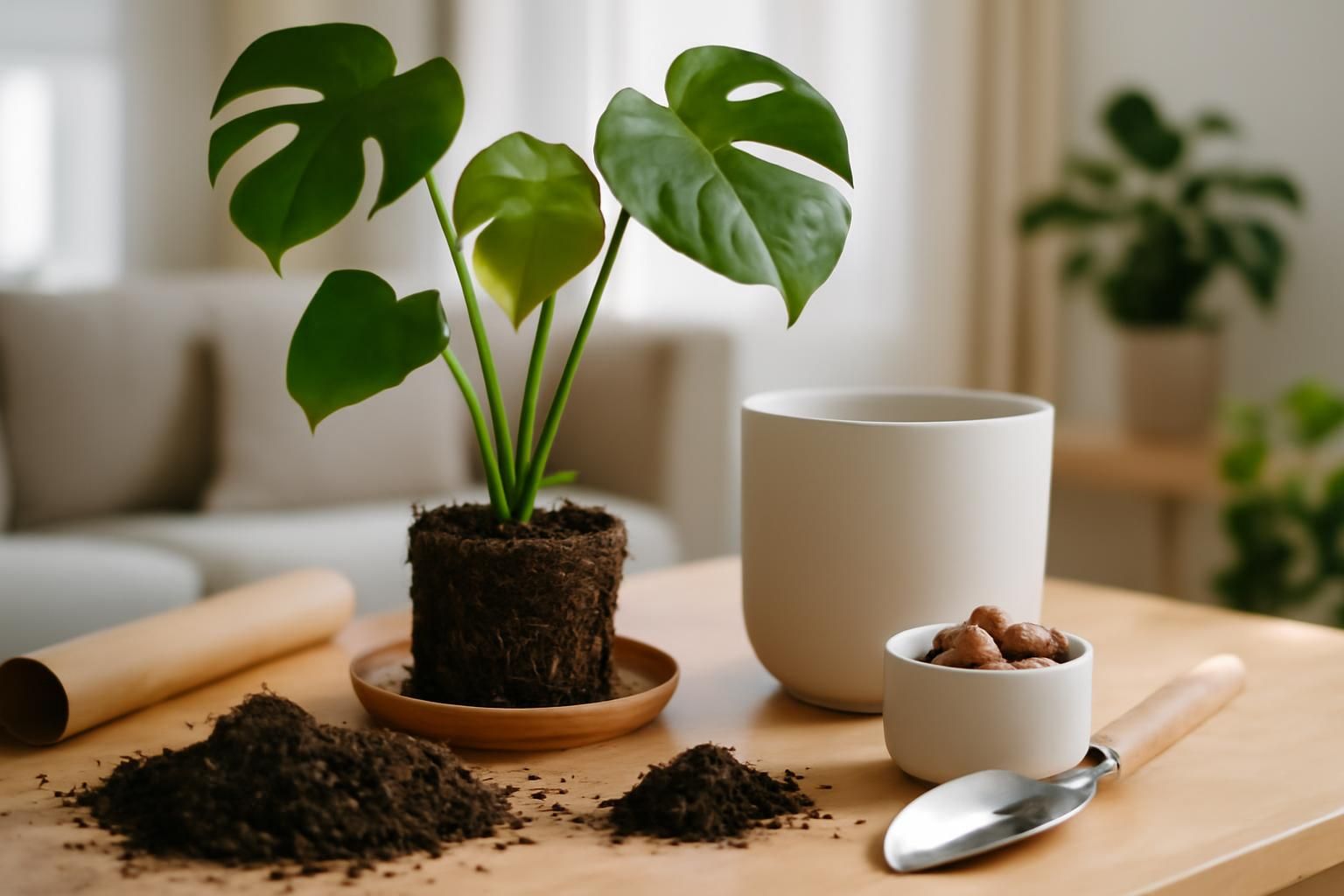
Place the orchid in a clean pot with drainage holes and fill around the roots with proper orchid bark mix. Do not use standard houseplant compost, which holds too much water and suffocates orchid roots. Firm the bark gently so the plant stands upright.
- 5
Water by soaking and draining, never leaving standing water
Water the orchid by soaking the pot in a bowl of water for ten to fifteen minutes, then drain thoroughly. Let excess water run out completely. Never let the pot sit in a saucer of water, as this causes root rot. Repeat roughly once a week, adjusting for season and humidity.
- 6
Place in bright indirect light and stable humidity
Position the orchid near an east- or west-facing window where it receives bright but filtered light. Avoid harsh midday sun, which scorches leaves. A humidity tray or occasional misting helps, but do not wet the crown, as pooled water can cause rot.
- 7
Feed lightly and wait patiently for recovery
Apply a half-strength orchid fertiliser every two to four weeks during spring and summer. Stop feeding in winter. Recovery takes months; avoid the temptation to overwater or repot repeatedly. New root tips or a fresh leaf are signs of success.
Always sterilise scissors or a blade before trimming roots or spikes. Dirty tools spread bacterial and fungal infection between plants and can finish off a weak orchid. Orchids are non-toxic to most pets, but keep bark and trimmings away from animals that chew. If the central crown has rotted and gone mushy, the plant usually cannot be saved.
Frequently asked
Why are my orchid's leaves limp and wrinkled?
Limp, wrinkled leaves usually mean the roots are damaged or dead and cannot take up water. Check the roots: if they are brown and mushy, trim them and repot. If they are silvery and dry, a good soak may restore turgidity within days.
How do I tell if orchid roots are dead or alive?
Healthy roots are firm and plump with a green or silvery sheen. Dead roots are brown, black, shrivelled or hollow and feel mushy or papery. Press gently: live roots resist pressure, while dead ones collapse.
How often should I water an orchid?
Most indoor orchids need watering roughly once a week in summer and every ten to fourteen days in winter. Soak the bark thoroughly and drain completely. Wait until the bark feels nearly dry before watering again.
My orchid finished flowering — do I cut the spike?
If the flower spike turns brown and dry, cut it back to the base with sterilised scissors. If it is still green, you can cut above a node to encourage a secondary spike, or leave it if the plant looks weak and needs to recover.
Can an orchid with no leaves come back?
Sometimes. If the crown and at least some roots are still firm and green, the plant can produce new leaves over several months. If the crown is mushy, recovery is unlikely. Patience and correct watering are essential.
Why is my orchid not flowering again?
Orchids need a drop in night temperature of a few degrees for several weeks to trigger new flower spikes, along with bright indirect light. If conditions stay constant year-round, the plant may grow leaves but not rebloom.