Quick answer
Pick a sunny level spot, screw rot-resistant boards into a rectangle with corner stakes, set it on cleared ground, then fill with a compost-rich soil mix.
A raised bed does not need fancy joinery. The most important choices are location, stable corners, safe wood, and soil that drains but still holds moisture.
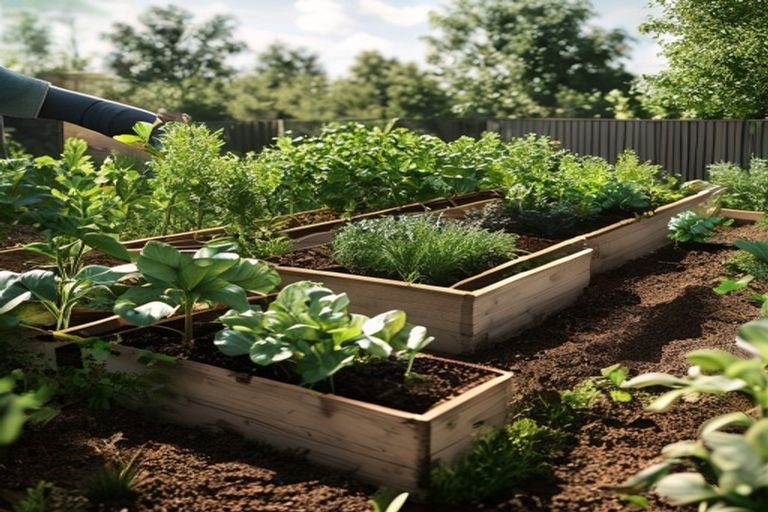
What you’ll need
- Drill or driver
- Saw
- Tape measure
- Level
- Gloves
Materials
- Rot-resistant boards
- Exterior screws
- Corner stakes
- Cardboard
- Compost and topsoil mix
Step by step
- 1
Choose the site
Most vegetables need at least six hours of direct sun. Avoid low spots where water collects.
- 2
Size the bed
Keep the width around 3 to 4 feet so you can reach the middle without stepping on soil.
- 3
Build the rectangle
Screw boards into corner stakes or blocks. Pre-drill near board ends to reduce splitting.
- 4
Prepare the ground
Remove tall weeds, level the frame, then lay cardboard under the bed to suppress growth.
- 5
Fill and settle
Add a compost-rich soil mix, water it in, and top up after it settles.
Wood and safety
Use wood suitable for outdoor beds and avoid unknown salvaged boards that may contain chemicals. For food crops, keep finishes simple and follow local guidance on treated lumber.
Wear eye protection when cutting or drilling, and check for buried irrigation or cables before driving stakes.
Common mistakes
- Making the bed too wide
- Filling only with heavy garden soil
- Skipping leveling before adding soil
Frequently asked
Do raised beds need a bottom?
Most garden beds do not. Open bottoms let roots, water, and soil life move naturally.
How deep should it be?
About 10 to 12 inches is enough for many vegetables; deeper is better for root crops and poor native soil.