Quick answer
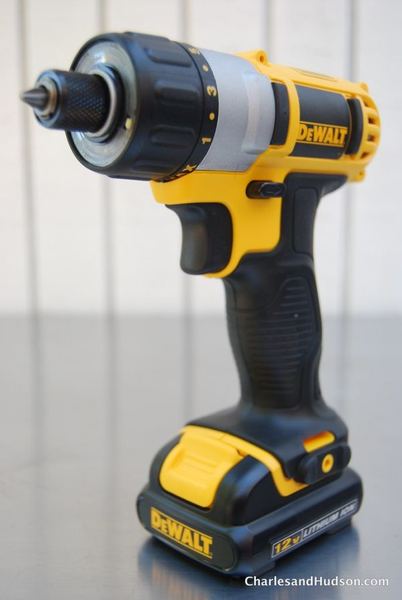
For normal home repairs, choose a comfortable 12 V or compact 18 V drill-driver with a 3/8-inch or 1/2-inch chuck, adjustable clutch, two speeds, and a battery platform you can expand.
The best first drill is not the biggest one. It is the one you will actually hold overhead, control near furniture, and keep charged for small repairs.
Step by step
- 1
List your jobs
Furniture assembly, wall anchors, cabinet hardware, and light drilling need less power than masonry or deck building.
- 2
Choose voltage by weight
A 12 V drill is light and enough for many apartments. A compact 18 V model gives more room to grow.
- 3
Check the chuck
A 3/8-inch chuck handles common bits; a 1/2-inch chuck accepts larger bits and is common on stronger drills.
- 4
Look for a clutch
Clutch settings prevent overdriving screws and stripping hardware.
- 5
Buy into a battery system
Pick a brand whose batteries also fit lights, inflators, or other tools you may need later.
What kit to buy first
A drill, two batteries, charger, basic drill bits, driver bits, and a bit holder are enough for most homes. A second battery matters more than a large case of low-quality accessories.
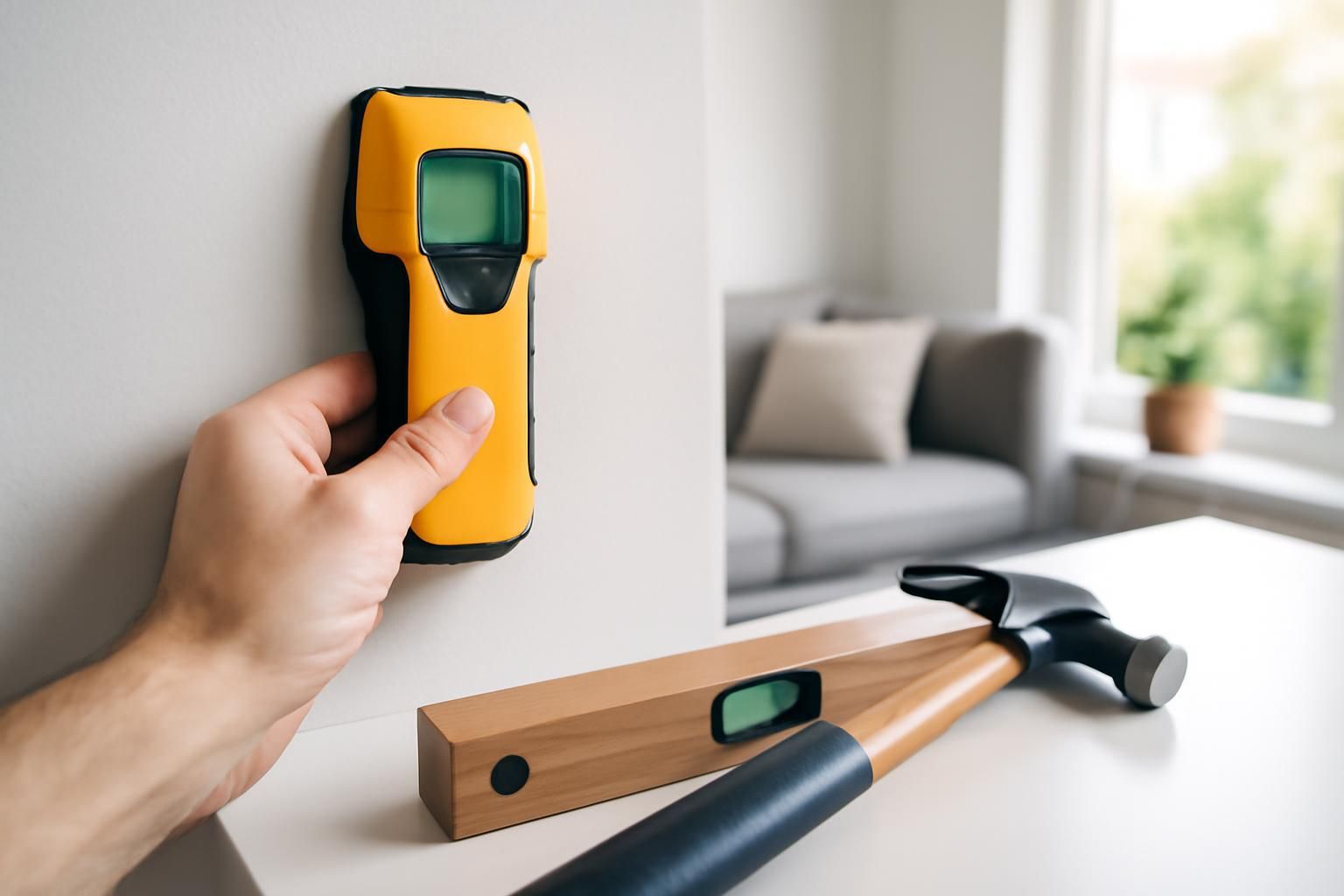
Use eye protection when drilling, and check for hidden wires or pipes before drilling into walls.
Common mistakes
- Buying the heaviest drill for small tasks
- Ignoring battery replacement cost
- Skipping clutch settings for furniture assembly
Frequently asked
Do I need an impact driver?
Not as a first tool for light home repairs. A drill-driver is more versatile.
Is brushless worth it?
Brushless models are efficient and durable, but comfort and battery platform matter more for casual home use.